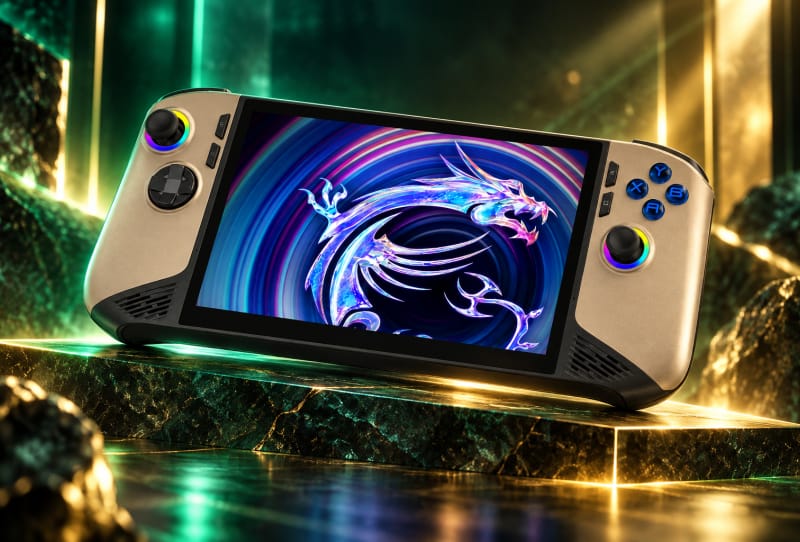
The Intel Arc G3 Play is a new entry-level graphics configuration reportedly on Intel’s roadmap, aimed at bringing Arc-powered gaming handhelds to a cheaper slice of the market. According to a report from VideoCardz, the chip would sit below Intel’s existing Arc G3 and Arc G3 Extreme options, giving device makers a more affordable path into the handheld PC category without abandoning Intel’s graphics silicon entirely.
Key takeaways
- ✓Intel is reportedly developing an Arc G3 Play chip for cheaper gaming handhelds
- ✓Leaks point to just four Xe3 GPU cores, well below existing Arc G3 chips
- ✓Rumoured power range sits between 8W and 25W, suiting lighter and indie games
- ✓The chip would sit below the Arc G3 and Arc G3 Extreme used in premium handhelds
- ✓Final specifications and launch timing remain unconfirmed by Intel
Nothing about the Arc G3 Play is official yet. Intel hasn’t confirmed the chip exists, let alone detailed its specifications or a launch window. But the leak lines up with an obvious gap in Intel’s current handheld strategy, where every Arc-based device released so far has landed firmly in premium territory.
Table of Contents
What the Intel Arc G3 Play Reportedly Offers
Leaked details suggest the Arc G3 Play’s GPU would carry just four Xe3 cores, a notable step down from the configurations found in Intel’s current handheld chips. Several leaks have floated different CPU pairings for the part, though none of that has been locked down publicly, so treat the finer details as fluid for now.
Rumours also point to a power envelope somewhere between 8W and 25W. That’s a wide range, and it suggests Intel wants the chip to scale across different handheld form factors rather than targeting one specific device class. A lower power ceiling generally means better battery life, which matters enormously on a handheld where screen and battery size are already tightly constrained.
Why Intel Needs a Cheaper Arc Option
Every Arc-powered handheld released so far sits well above entry-level pricing. Devices such as handhelds like the Acer Predator Atlas 8, which runs the more powerful Arc G3 Extreme, are built for buyers chasing strong frame rates rather than value. That leaves a sizeable chunk of the handheld market, shoppers who want portable PC gaming without flagship pricing, largely uncontested by Intel.
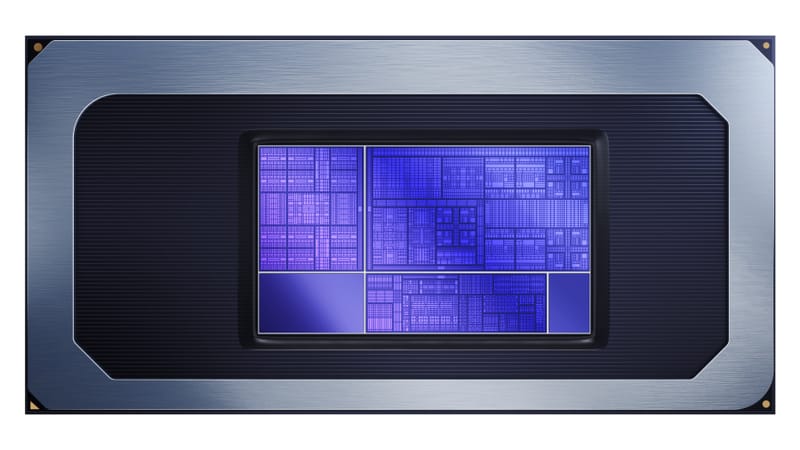
Rival platforms built around AMD silicon, including Valve’s Steam Deck and several ASUS ROG Ally variants, have long offered cheaper entry points into handheld PC gaming. A stripped-back Arc G3 Play chip would let Intel’s partners compete more directly in that bracket, rather than ceding the budget tier entirely to AMD-based machines.
Intel’s recent moves elsewhere in its lineup support that reading. The company has already leaned into value-focused silicon with Intel’s budget Wildcat Lake laptop chips, which reportedly sold out shortly after launch. A similarly positioned Arc G3 Play for handhelds would fit a broader pattern of Intel chasing volume at lower price points, not just headline performance wins.
How the Arc G3 Play Stacks Up Against Existing Arc Chips
Intel hasn’t published full Xe3 core counts for its current handheld GPUs, so direct numerical comparisons are difficult. What’s clear from the leaks is the scale of the cut: four Xe3 cores is a meaningful reduction compared with the configurations powering today’s Arc G3 and Arc G3 Extreme handhelds.
| Chip | Xe3 cores | Rumoured power range | Status |
|---|---|---|---|
| Arc G3 Play | 4 (leaked) | 8W to 25W | Unconfirmed, roadmap leak |
| Arc G3 | Not publicly detailed | Standard handheld tier | Shipping in current devices |
| Arc G3 Extreme | Not publicly detailed | Higher power envelope | Shipping, e.g. MSI Claw 8 AI+ |
Performance from the Arc G3 Play is expected to land well below both existing chips. That’s not necessarily a dealbreaker, though, because the intended use case appears to be lighter games rather than chasing maximum frame rates at native resolution.
What It Means for Handheld Gaming Buyers
The Arc G3 Play looks built for indie titles, older AAA games, and less demanding workloads rather than cutting-edge releases. Features like Intel’s work on XeSS upscaling support should help claw back some performance that the reduced GPU configuration gives up, letting a weaker chip still produce playable results at handheld screen resolutions.
For buyers, a cheaper Arc handheld would mean an alternative ecosystem choice without needing to commit to flagship pricing. It also gives manufacturers more flexibility to build a wider range of devices around Intel’s platform, rather than every Arc handheld competing in the same premium bracket. Anyone choosing a gaming PC processor on a budget for a future handheld purchase will want to watch how this chip’s real-world performance shakes out once actual devices appear.
It’s worth staying cautious here. Leaked roadmap entries don’t always make it to retail unchanged, and Intel could still adjust core counts, power targets, or pricing position before any official unveiling. Until Intel confirms the Arc G3 Play exists, every detail currently circulating should be treated as a strong rumour rather than a settled spec sheet.
Frequently asked questions
What is the Intel Arc G3 Play?
It’s a rumoured entry-level graphics configuration from Intel, reportedly designed to sit below the existing Arc G3 and Arc G3 Extreme chips used in current gaming handhelds. Intel hasn’t officially confirmed the chip.
How does the Arc G3 Play differ from the Arc G3 Extreme?
Leaks suggest the Arc G3 Play would use just four Xe3 GPU cores, a significant reduction compared with the configuration in the Arc G3 Extreme found in devices like the MSI Claw 8 AI+, resulting in noticeably lower graphics performance.
When will Intel release the Arc G3 Play?
There’s no confirmed launch date. The chip has only surfaced through roadmap leaks, and Intel has not announced pricing, availability, or a release window.
What kind of games would an Arc G3 Play handheld run well?
Given the rumoured 8W to 25W power range and reduced core count, the chip appears aimed at indie games, older AAA titles, and less demanding workloads rather than cutting-edge releases at high settings.