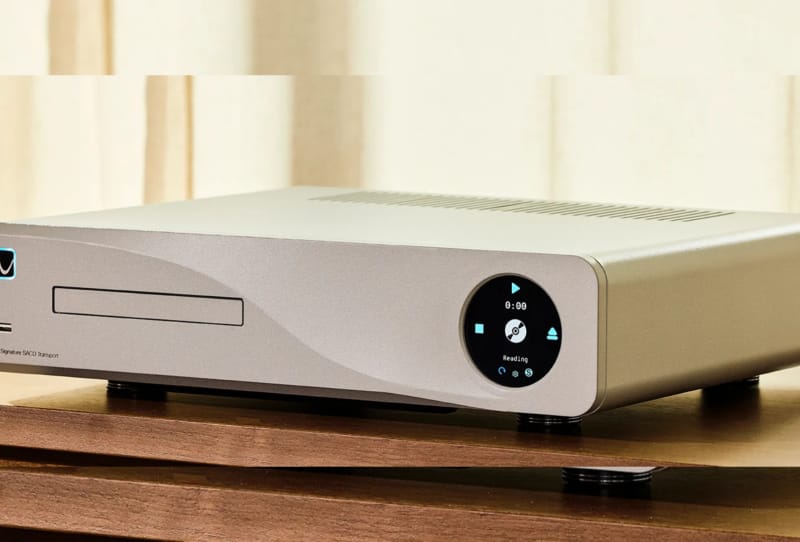
High-end CD players are becoming an endangered species, and not because anyone stopped wanting them. PS Audio and Naim have both confirmed they can no longer build two of their flagship spinning-disc products, after the specialist optical drives inside them vanished from the supply chain entirely. The timing is almost cruel: CD and vinyl sales have been climbing again over the past year, yet the physical hardware needed to play discs at an audiophile level is running out of parts.
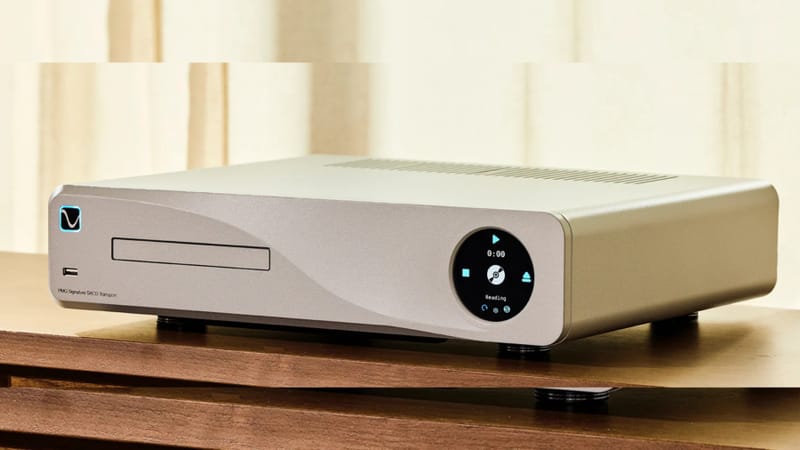
PS Audio’s PMG Super Audio CD Transport and Naim’s Uniti Star Streaming Amplifier are the two casualties. Both units relied on the same shrinking pool of automotive and consumer-grade optical mechanisms that used to be mass-produced for computers and standalone disc players. As mainstream demand for optical drives collapsed over the last decade, the manufacturers making those parts simply stopped, and there was nothing built specifically for boutique hi-fi gear to fall back on.
Table of Contents
Why these high-end CD players ran out of parts
PS Audio’s trouble traces back to June 2024, when D&M Holdings, the parent company of Denon and Marantz, announced it would stop taking orders for its SACD and CD mechanism within a month. That single component turned out to be the backbone of a huge slice of the premium disc-playing market, because D&M was reportedly the last company still selling that mechanism to third-party brands rather than keeping it in-house.
The announcement triggered a scramble. Rival hi-fi makers rushed to place final orders before the cut-off, and PS Audio CEO Paul McGowan says component prices doubled in the process as everyone tried to build a stockpile. PS Audio says it bought out the last of Marantz’s remaining inventory, but that stopgap only delays the inevitable. “The drives appropriate for a PMG are no longer available,” McGowan wrote on the company’s own forum, adding that designing a replacement optical mechanism from scratch sits outside PS Audio’s expertise in electronics and software.
Swapping in a new drive isn’t simple
It would be reasonable to assume a hi-fi brand could just find another supplier and move on. In practice, that’s much harder than it sounds. Optical drives in these products aren’t standalone parts; they’re built as a complete assembly with their own control boards, firmware and mechanical tolerances. Fitting a different mechanism means rewriting control code and re-engineering the internal mounting, which is a substantial redesign for what looks like a small component from the outside.
Naim reportedly went through exactly this process. Forum posts from the company suggest it identified an alternative optical drive supplier for the Uniti Star and began the work of integrating it. Before that redesign could be finished, the substitute supplier also stopped making the part. One Naim representative summed up the underlying problem bluntly: the company assembles finished products from components sourced elsewhere, rather than manufacturing the drives itself, which leaves it exposed whenever a supplier exits the category.
The irony of a physical media revival
What makes this shortage sting is the backdrop it’s happening against. Vinyl has been outselling CDs in dollar terms for years, but CD sales volumes have actually ticked upward recently as listeners rediscover the appeal of owning music outright rather than renting access to it through streaming. Audiophiles in particular tend to prize CD transports for their ability to extract every bit of detail from a disc without the compression or network dependency of streaming gear.
That demand doesn’t count for much if the parts to build the players simply don’t exist anymore. It’s a familiar pattern in consumer electronics: a similar disc drive supply shortage is already squeezing console makers, with reports suggesting Sony and Microsoft may eventually be pushed toward all-digital hardware simply because the optical mechanisms they need are becoming harder to source. Closer to home for physical media fans, Sony has already had to scale back its own disc production rather than end it outright, which mirrors the slow squeeze hitting hi-fi brands now.
What this means for owners and buyers
Anyone who already owns a PMG Super Audio CD Transport or a Uniti Star doesn’t need to panic about their unit suddenly failing. Both PS Audio and Naim say they’re holding onto remaining components for warranty repairs and servicing, so existing customers should be able to keep their systems running for years to come. New buyers are the ones who lose out, since both models are now out of stock with no replacement version announced.
It’s also a reminder that not every part of the hi-fi world is stalling. Other corners of the hi-fi market are still pushing out new gear, and streaming-based and vinyl-focused products aren’t affected by this particular component crunch. But for anyone chasing a genuinely high-end CD player with a laser transport built to audiophile standards, the pool of options is shrinking fast, and there’s no clear sign of a new mechanism supplier stepping in to fill the gap left by Marantz.
Whether other brands quietly follow PS Audio and Naim out of the CD transport business remains to be seen. Given how tightly this handful of suppliers underpinned the entire category, it wouldn’t be surprising if more high-end CD players disappear from price lists before a genuine solution turns up.