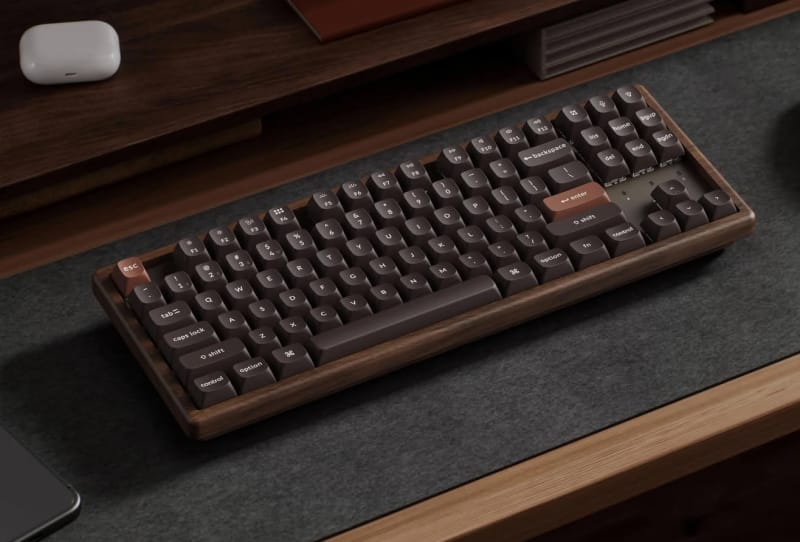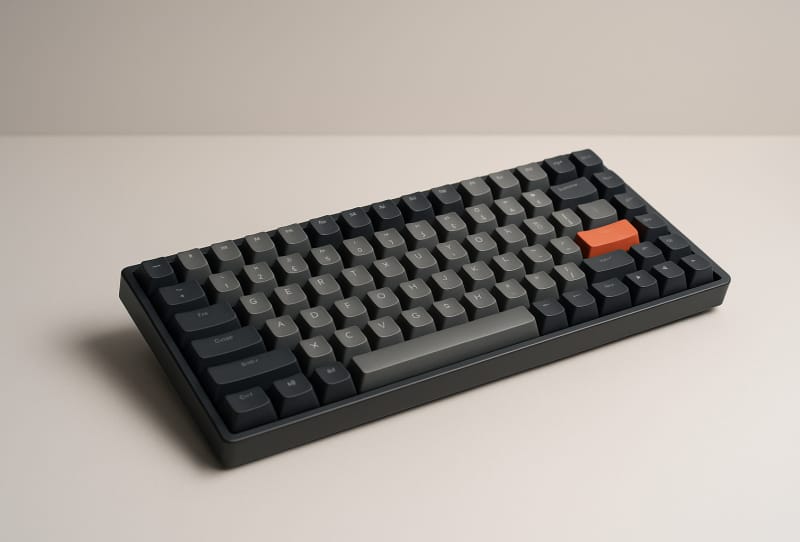
Keychron HE keyboards are getting a quiet but meaningful upgrade, with the K4 HE and K10 HE now shipping with new magnetic switches that open the door to a much wider pool of aftermarket options. Both boards previously locked buyers into a narrower switch standard, and the change brings Keychron’s older hot-swap lineup in line with its newest hall-effect and magnetic tunnel resistance keyboards.
The K4 HE and K10 HE have long been recommended for anyone wanting a full-size or near full-size layout with magnetic switches, a clean design, and a price that does not stretch into enthusiast territory. Their one real limitation was switch compatibility. Both boards shipped exclusively with Gateron Double-Rail Magnetic Nebula switches, which use S-pole magnetic technology, a standard that never gained much traction beyond a handful of switch makers.
Table of Contents
What’s actually changing on these Keychron HE keyboards
The revised K4 HE and K10 HE now come fitted with Keychron’s own Ultra-Fast Lime Magnetic switches as the default option. That alone is a modest spec bump, but the bigger story is what sits underneath it. These new switches use N-pole magnetic technology, the same standard Keychron adopted on its newer Keychron HE and TMR releases, including the V6 Ultra Hybrid TMR board launched earlier via Kickstarter.
N-pole compatibility matters because it has become the de facto standard among magnetic switch manufacturers. Where S-pole switches were something of a dead end, supported by only a small number of vendors, N-pole hardware is backed by companies including Wooting, Gateron, TTC, OwLab, Wuque Studio, and MMD. For a board built around the promise of hot-swappable magnetic switches, that difference determines whether hot-swapping is actually a practical feature or just a marketing line.
N-pole versus S-pole: why the switch pole actually matters
Magnetic switches work by tracking the position of a magnet inside the switch as it travels down its stem, rather than relying on a physical metal contact like a traditional mechanical switch. The polarity of that magnet, either north or south facing, has to match what the keyboard’s sensor is built to read. A north-pole board simply will not register a south-pole switch correctly, and vice versa, which is why the distinction has become the single biggest compatibility question for anyone shopping for hall-effect or TMR switches.
| Detail | Original K4 HE / K10 HE | Updated K4 HE / K10 HE |
|---|---|---|
| Default switch | Gateron Double-Rail Magnetic Nebula | Keychron Ultra-Fast Lime Magnetic |
| Magnetic pole standard | S-pole | N-pole |
| Aftermarket switch support | Limited, mostly Gateron-only | Wooting, Gateron, TTC, OwLab, Wuque Studio, MMD, and more |
| Backward compatible with older SKU? | N/A | No, existing owners are not upgraded |
Because so few manufacturers ever committed to S-pole hardware, owners of the original K4 HE and K10 HE were effectively stuck with whatever Gateron released for that standard. Moving to N-pole means the same boards can now draw on a genuinely competitive aftermarket, with switches ranging from budget-friendly linear options to premium tactile and TMR designs from smaller boutique makers.
What it means for existing owners and prospective buyers
The catch is that this upgrade only applies to newly manufactured units. Anyone who already owns a K4 HE or K10 HE will not see their board magically gain N-pole support, since the change is tied to a new production SKU rather than a firmware update. Existing keyboards remain locked to S-pole switches, and there is no indication Keychron plans to offer a retrofit kit.
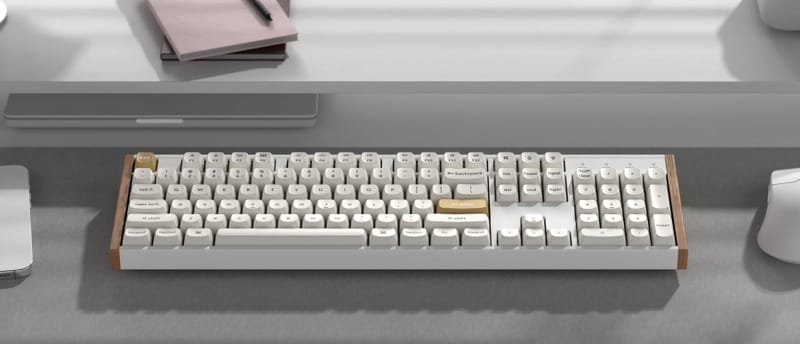
That leaves current owners with the same limited switch pool they always had, while new buyers get meaningfully more flexibility for the same style of keyboard. It also means shoppers now need to check carefully which version they are buying, since the outward design of the K4 HE and K10 HE has not changed, only what is fitted inside. Picking up a switch pack without confirming pole compatibility first is an easy way to end up with hardware that simply will not register on the board.
The shift also lines up with a broader trend across the hot-swap magnetic keyboard space, where boards like the Attack Shark R86 HE, which also runs on magnetic switches, and Keychron’s own ASUS ROG Azoth 96 HE have leaned on wide switch support as a genuine selling point rather than an afterthought. A board that only works with one manufacturer’s switches loses much of the appeal that draws enthusiasts to hot-swap designs in the first place.
Where this leaves the Keychron HE keyboards in a crowded market
Magnetic and hall-effect switches have moved well beyond a niche curiosity in the past couple of years, spreading from full-size keyboards into smaller boards, and even into peripherals outside the keyboard category entirely, with magnetic switches have already spread to mice like the RAWM Leviathan V4 GT. As adoption grows, pole compatibility is quickly becoming the detail that separates boards worth investing in from ones that risk being orphaned by their own switch standard.
For anyone weighing up a full-size or tenkeyless magnetic switch keyboard, the updated K4 HE and K10 HE make a stronger case than before, precisely because the aftermarket switch pool behind them is now far larger. It is a sensible move from Keychron, even if it comes with the awkward side effect of leaving earlier buyers without the same benefit. Shoppers simply need to pay closer attention to which SKU, and which switch pole, they are actually purchasing.