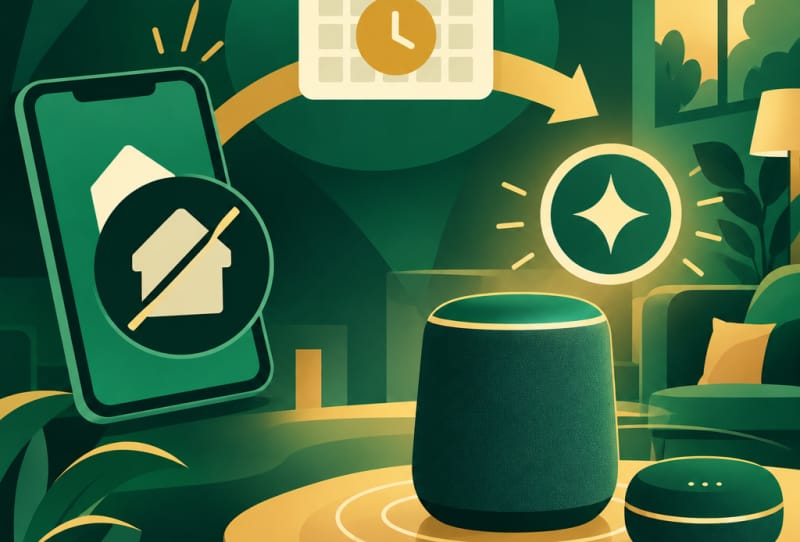
Google has confirmed a Google Assistant shutdown timeline that will see the Nest app retired and smart speakers switched over to Gemini for Home during 2027. The changes affect anyone running a Nest thermostat, camera, or Protect alarm, as well as owners of Google’s smart speakers and displays who currently rely on Google Assistant for voice control.
Key takeaways
- ✓The Nest app will shut down on January 25th, 2027, replaced fully by the Google Home app
- ✓Nest cameras, thermostats, and Protect alarms move to Google Home automatically on that date
- ✓Google Assistant retires on smart speakers and displays on August 2nd, 2027
- ✓Gemini for Home takes over voice control, supporting natural conversation instead of fixed commands
- ✓Nest Aware (1st Gen) subscribers get an automatic upgrade to Google Home Premium
The announcement lays out two separate cut-off dates, several months apart, and both come with practical consequences for existing hardware. Nothing happens immediately, but the clock is now ticking on two pieces of software that have underpinned Google’s smart home ecosystem for years.
Table of Contents
What’s changing and when
The Nest app disappears first. Google says it will shut the app down on January 25th, 2027, folding all of its functions into the Google Home app. Anyone still managing a Nest thermostat, doorbell, indoor camera, or Protect smoke alarm through the older app will need to have made the switch by that date.
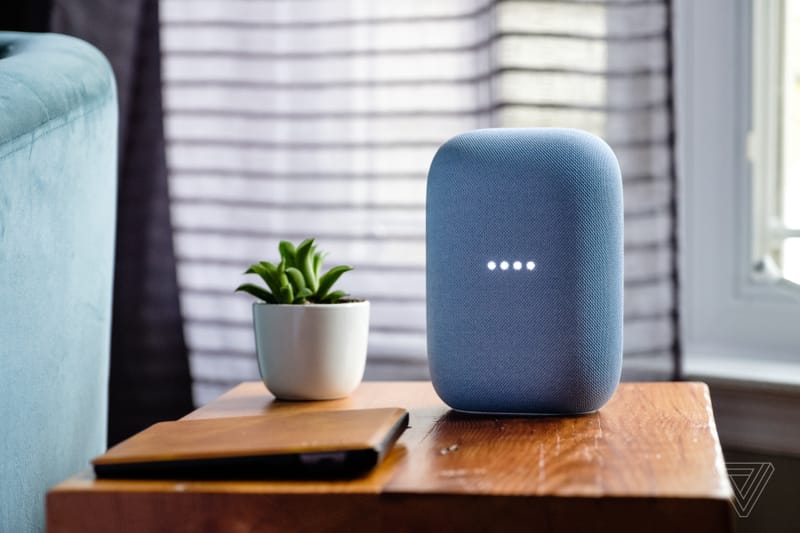
Google Assistant’s retirement on smart speakers and displays follows later, on August 2nd, 2027. From that point, Gemini for Home takes over as the voice assistant running on Nest speakers and smart displays, replacing the system that has handled wake-word commands since 2016.

| Change | Date | What happens |
|---|---|---|
| Nest app shutdown | January 25, 2027 | App stops working; devices and video history move to Google Home |
| Nest account data deletion begins | March 25, 2027 | Google starts removing old Nest account data |
| Google Assistant retirement | August 2, 2027 | Gemini for Home replaces Assistant on speakers and displays |
Why Google is replacing Google Assistant with Gemini for Home
Google’s stated reasoning centres on how people actually talk to their devices. Google Assistant was built around fairly rigid commands and specific phrasing, which meant users often had to learn the “right” way to ask for something. Gemini for Home, according to Google, understands more conversational, natural requests and can handle more complex, multi-step questions without needing an exact trigger phrase.
This shift has been coming for a while. Google announced Gemini for Home as a concept last year, and the company already pulled Google Assistant from phones earlier this year, so retiring it from speakers and displays follows the same pattern. It also lines up with the wider industry move toward large language model assistants, a trend visible in Google’s broader push into conversational AI across its product range.
What it means for Nest device owners
For most households, the transition should be largely automatic, provided the Google Home app is already set up. Google says it will migrate Nest devices, including cameras and their stored video history, across to the Home app on January 25th, 2027, without requiring manual re-registration of hardware.
Subscribers paying for Nest Aware (1st Gen) get an automatic move to Google Home Premium as part of the same changeover, so existing cloud recording and alert features should carry over rather than lapse. Anyone who hasn’t touched the Google Home app yet has a reasonable runway to get familiar with it before the Nest app stops working entirely, and before Google begins deleting old Nest account data on March 25th, 2027.
How this fits the bigger smart home picture
Google isn’t the only company reshaping its smart home software this year. Apple has been building out its own hardware lineup, including a new Apple’s own HomeView smart display and Apple building its own smart home hardware lineup, suggesting every major platform is treating the smart home as a priority again after a quieter few years.
For Google, retiring Assistant on speakers is arguably a bigger symbolic move than the Nest app merger, since Assistant has been the voice behind Google’s smart home products since their earliest days. Replacing it with a Gemini-based system signals that Google wants its hardware to match the conversational capabilities it has already rolled out elsewhere, rather than running an older, command-based assistant alongside a newer AI push on phones and in search.
Google says further detail will arrive closer to the August 2027 transition, including guidance on what changes for routines, third-party integrations, and existing voice commands people have grown used to. Until then, the practical advice for Nest and smart speaker owners is straightforward: make sure the Google Home app is set up well before January 2027, and expect more specifics on Gemini for Home as the second deadline approaches.
Frequently asked questions
When does the Nest app stop working?
Google will shut down the Nest app on January 25th, 2027, after which Nest thermostats, cameras, and Protect alarms must be managed through the Google Home app instead.
Will Nest camera footage be lost when the app shuts down?
No. Google says camera devices and their stored video history will transfer automatically to the Google Home app on the January 25th, 2027 shutdown date, as long as the Home app is already set up.
What happens to Google Assistant on smart speakers?
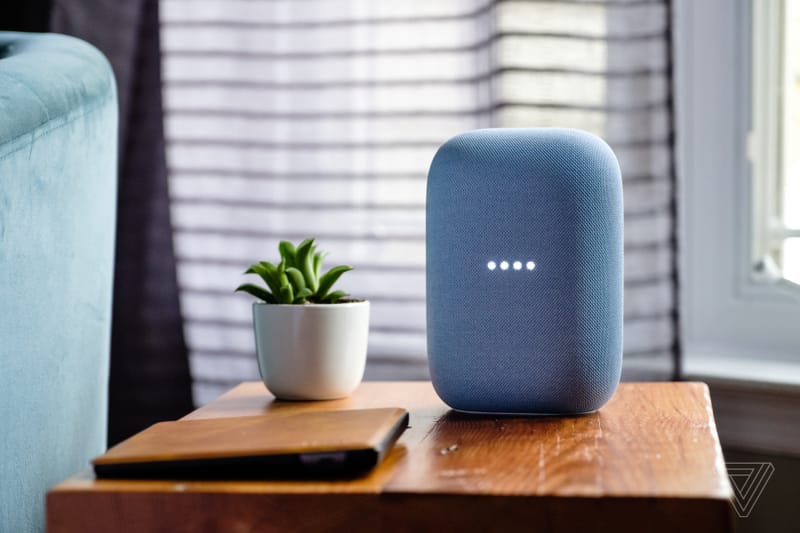
Google Assistant will be retired on smart speakers and smart displays on August 2nd, 2027, with Gemini for Home taking over as the voice assistant for those devices.
Do Nest Aware subscribers need to do anything?
Existing Nest Aware (1st Gen) subscriptions will be automatically converted to Google Home Premium as part of the same transition, so no manual resubscription should be needed.