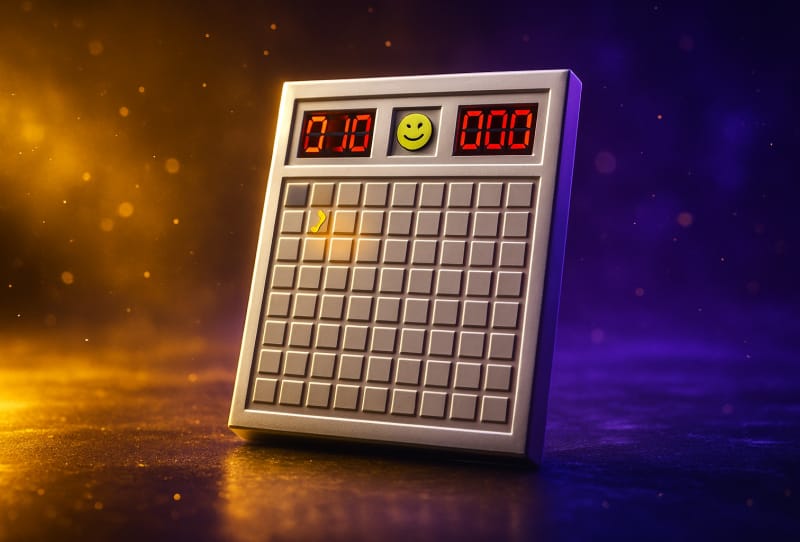
A new Minesweeper parody game reimagines the decades-old Windows puzzle as if it were built by a modern triple-A studio, complete with chatty NPCs, forced internal monologues and the promise of loot boxes that never actually unlock anything. Instead of a quiet grid of hidden mines, players get hand-holding tutorials, narrated hints and the kind of bloated presentation usually reserved for big-budget blockbusters, all aimed squarely at mocking how far modern game design has drifted from simplicity.
Key takeaways
- ✓An independent developer built a browser-based Minesweeper parody game as triple-A satire.
- ✓The reboot adds chatty NPCs, forced internal monologues and promised loot boxes to the classic puzzle.
- ✓It mocks real industry habits such as tutorial creep, hand-holding and live-service monetisation.
- ✓Minesweeper's minimalism makes it an effective blank canvas for parodying bloated modern design.
- ✓The project taps into widespread player frustration with over-explained, monetised modern releases.
The browser-based project takes one of the most stripped-back games ever bundled with Microsoft, the company that bundled Minesweeper with Windows for decades, and buries it under every modern AAA convention the developer could think of. The result reads less like a genuine remaster and more like a pointed joke about where big studios have taken game design over the past decade.
Table of Contents
How the Minesweeper parody game flips the classic formula
Classic Minesweeper asked very little of players. A grid, a flag, a number, and a quiet logical puzzle to work through alone. This Minesweeper parody game throws that silence out entirely. NPC characters now interrupt the action to offer unsolicited advice, narrate the player’s own thought process back to them, and generally refuse to let a single click pass without commentary.
Internal monologues pop up as if the player character has stakes in whether a particular tile hides a bomb, a gag that lands because so many modern releases insist on narrating emotional context into moments that never needed it. It is a deliberate exaggeration of a trend players have complained about for years: games that explain themselves to death instead of trusting the player to work things out.
Then there are the loot boxes, dangled as rewards but never actually delivering anything of substance. That detail alone is doing a lot of satirical work, poking at monetisation systems that promise exciting unlocks while often returning cosmetic scraps or nothing meaningful at all.
Why hand-holding became the joke worth telling
Tutorial creep is one of the more persistent complaints levelled at big-budget releases. Where older games trusted players to experiment and fail, many modern titles layer in tooltips, waypoints and guided hints well past the point they are useful, sometimes for entire campaigns. The Minesweeper parody game leans into that exact frustration by making a game with one simple rule set feel like it needs a dedicated onboarding flow.
That choice also pokes fun at how often modern marketing frames small iterative updates as sweeping reinventions. A puzzle game that has not meaningfully changed in decades suddenly gets cutscenes, dialogue trees and a sense of narrative stakes it never asked for, which is precisely the absurdity the project is going for.
Live-service design habits get the same treatment. Promised rewards, repeated nudges toward engagement, and systems that exist mainly to keep a player logged in rather than genuinely entertained have become common complaints across the industry, and folding them into something as basic as Minesweeper makes the critique land harder than a straightforward opinion piece ever could.
Minesweeper’s history makes it an ideal target
Minesweeper has survived on Windows PCs since the early 1990s precisely because it demands so little. No story, no voice acting, no monetisation hooks, just a grid and a bit of probability-driven logic. That bare-bones reputation is exactly why it works so well as a parody vehicle. Layering AAA bloat onto something this minimal makes the exaggeration obvious within seconds, rather than requiring an explainer.
Plenty of developers have built homages or spins on Minesweeper over the years, from mobile variants to speedrun-focused versions. What sets this one apart is the intent. Rather than improving or modernising the formula, it is holding a mirror up to an entire design philosophy that has become dominant in big-budget releases, using humour instead of a straight critique.
What it signals about player frustration with modern releases
Parody projects like this tend to surface because they tap into something real. Complaints about excessive hand-holding, forced narrative framing, and monetisation dressed up as reward systems show up constantly in player feedback on major releases. A small, free, browser-based gag resonating with that sentiment says more about the state of big-budget game design than any single corporate statement would.
It also reflects a wider trend of developers using accessible, low-stakes projects to comment on industry practices, similar in spirit to hobbyist efforts that repurpose old hardware or software for unexpected new uses. Projects built purely for fun, rather than commercial release, often end up being the sharpest commentary because there is no studio messaging to soften the point.
Whether or not the joke changes anything about how major publishers design their next releases, it offers a genuinely funny reminder that some of the most enduring games succeeded precisely because they refused to over-explain themselves. For anyone who has sighed through another tutorial pop-up in a brand-new release, the Minesweeper parody game will likely feel uncomfortably familiar.
Frequently asked questions
Is this parody an official Microsoft release?
No. It is an independent, unofficial project created as satire, not an update or remaster published by Microsoft or any major studio.
Can people actually play the parody version?
It runs in a web browser as a fan-made project rather than a commercial product, built purely to riff on modern AAA design conventions.
What exactly is being parodied?
The project mocks habits common in big-budget games, including excessive tutorials, chatty NPCs, forced internal monologues and loot box style rewards that promise more than they deliver.
Why does Minesweeper work well for this kind of joke?
Its bare-bones design, unchanged for decades, makes any added complexity or narrative dressing look obviously exaggerated, which is exactly what makes the satire effective.