Robot vacuums have gotten very good at driving around a lounge room without bumping into the furniture, but mopping has always been the weaker half of the equation. The Narwal Freo 20 is built around the idea that a flat, self-cleaning roller mop can do a genuinely better job than the spinning pads most rivals still rely on, while dual cameras and structured light handle the job of steering around whatever is left on the floor.
Review summary
Narwal Freo 20
The Narwal Freo 20 delivers strong cleaning performance through its innovative flat roller mop, powerful 31,000Pa suction and intelligent dock system that handles washing, drying and refilling automatically. The combination of wider mop coverage, hot-water mopping at 60°C and effective obstacle avoidance makes it a capable all-in-one cleaning solution for homes with hard floors and rugs.
Highlights
- ✓Wide flat mop with seven times more floor contact than traditional rollers
- ✓Powerful 31,000Pa suction with anti-tangle brush design
- ✓Hot-water self-cleaning dock with automatic tank refilling
- ✓Dual-camera obstacle avoidance system
- ✓120-day dust bag interval reduces maintenance
It arrives as a full robot-and-dock system rather than just a vacuum with a damp pad bolted on. The dock handles washing, drying, refilling and emptying, while the robot itself is tasked with 31,000Pa of suction, a wide flattened mop, and enough onboard intelligence to tell the difference between a sock and a power cord.
This review looks at how the Freo 20 is put together, what its headline features actually do in practice, and how it behaves once it is let loose on a typical Australian home with hard floors, rugs, furniture legs and the usual amount of everyday clutter.
Table of Contents
Design and Functionality
The Freo 20 robot measures 351.2mm by 363.5mm by 95mm, which puts it on the larger side for a robot vacuum, largely because of the width needed to house that flattened mop module. It weighs 4.9kg, giving it a reasonably solid, planted feel rather than something that skitters around on cheap plastic wheels.
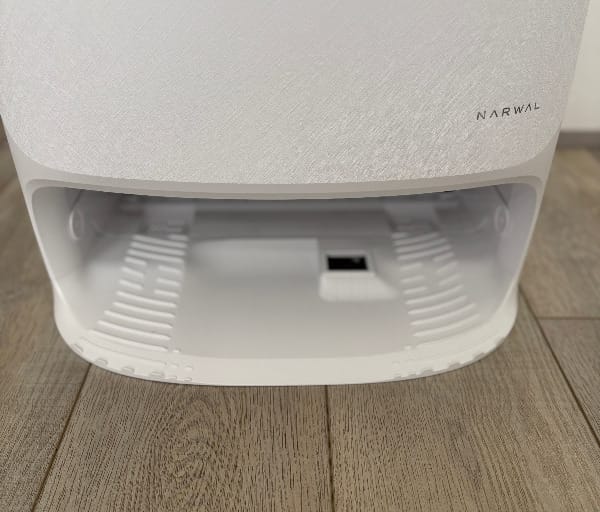
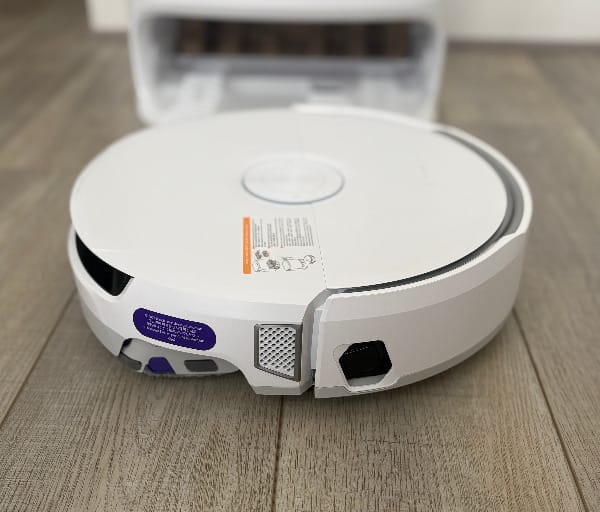
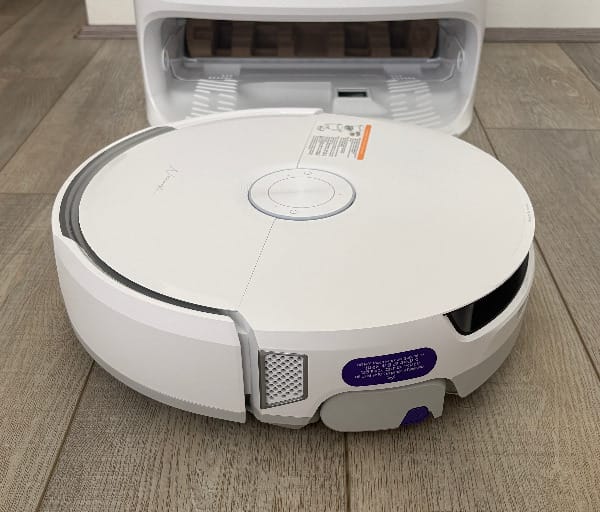
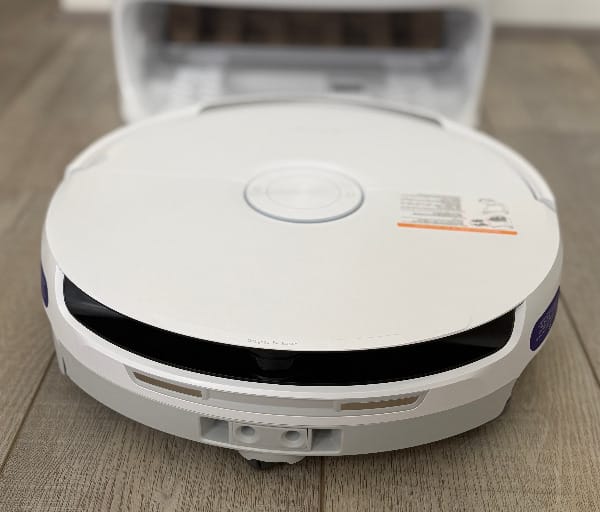
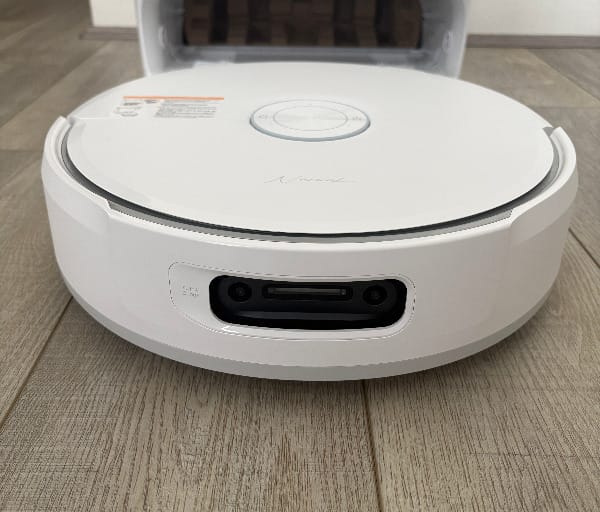
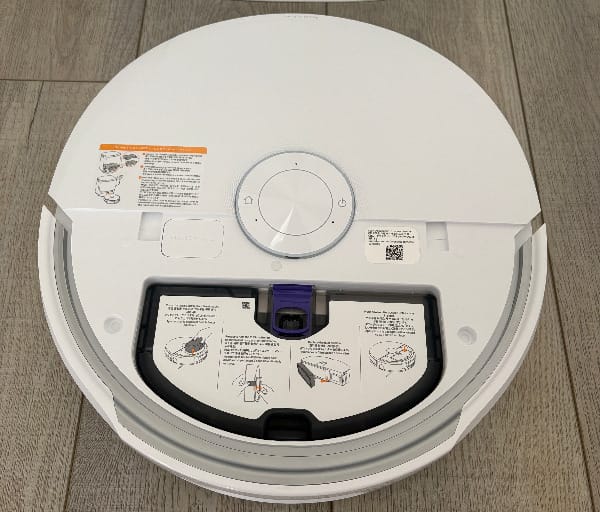
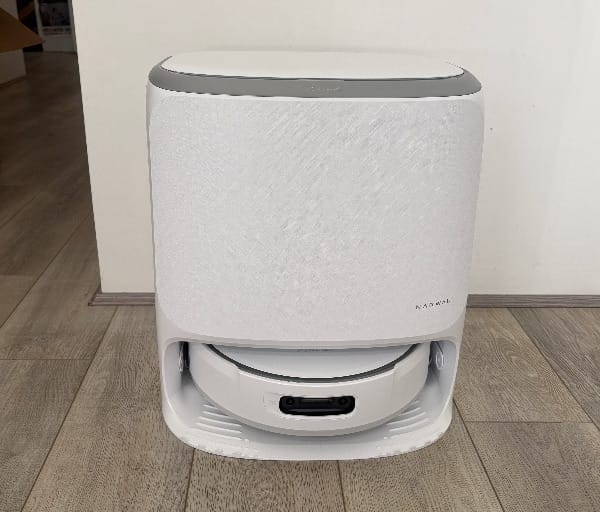
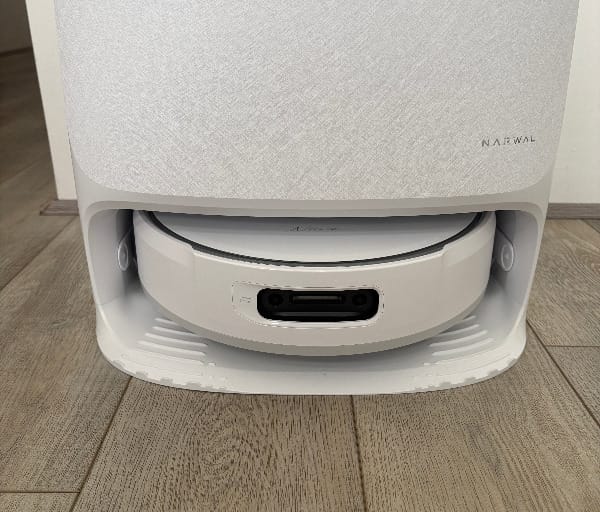
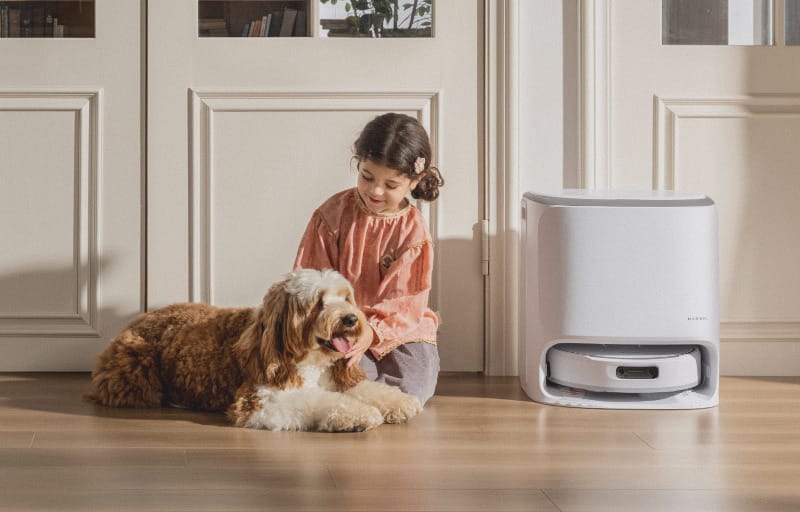
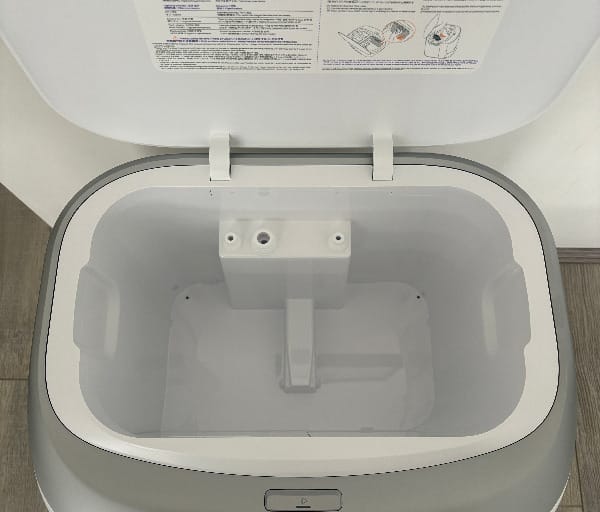
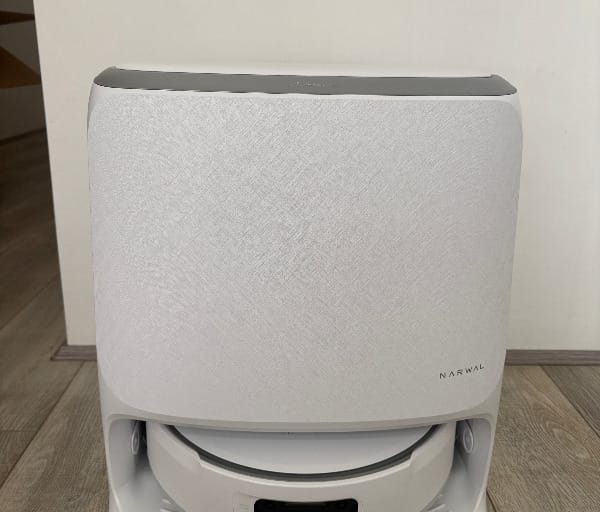
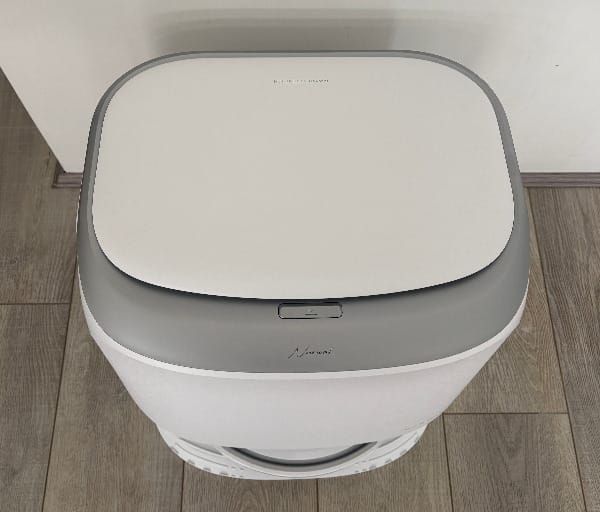
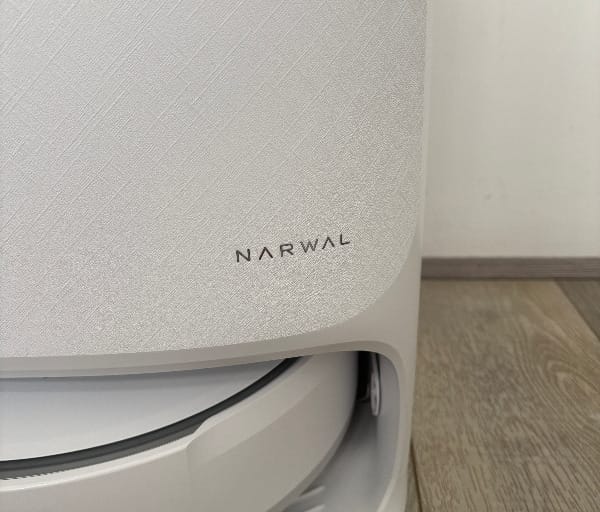
The dock is the more imposing piece of furniture here, standing 461mm tall and measuring 431mm by 402mm at the base, with a chunky 9.9kg of water tanks, pumps and heating elements inside. It is finished in white, matching the robot, and is designed to sit against a wall as a semi-permanent fixture rather than something tucked away after every use.
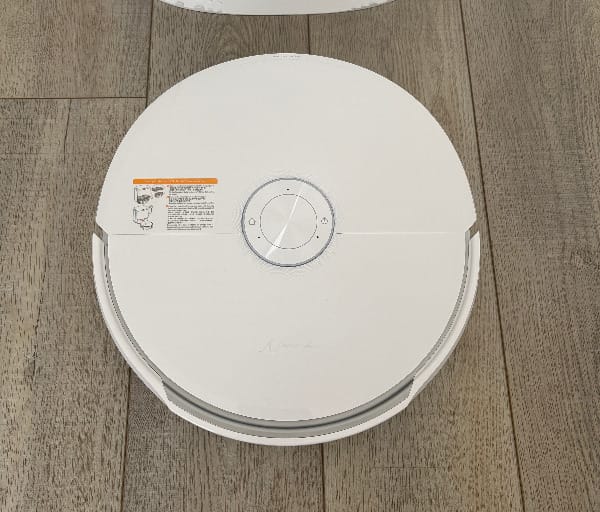
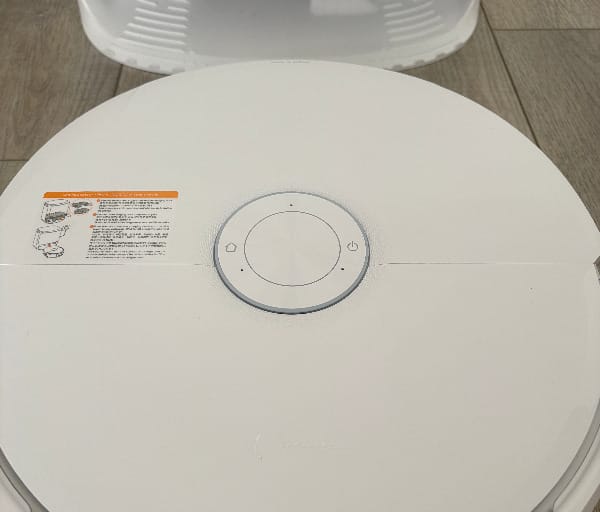
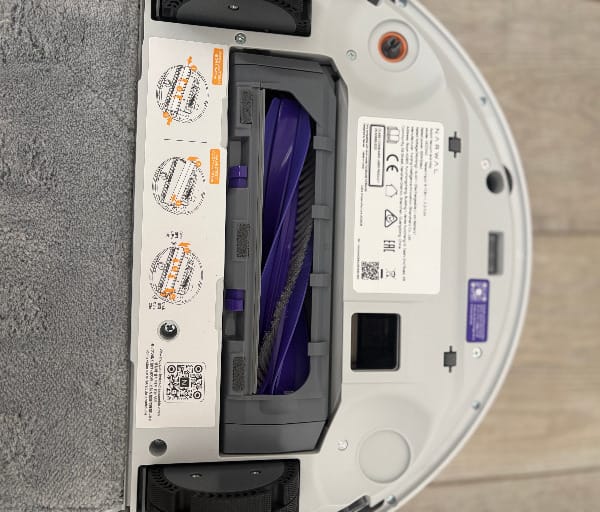
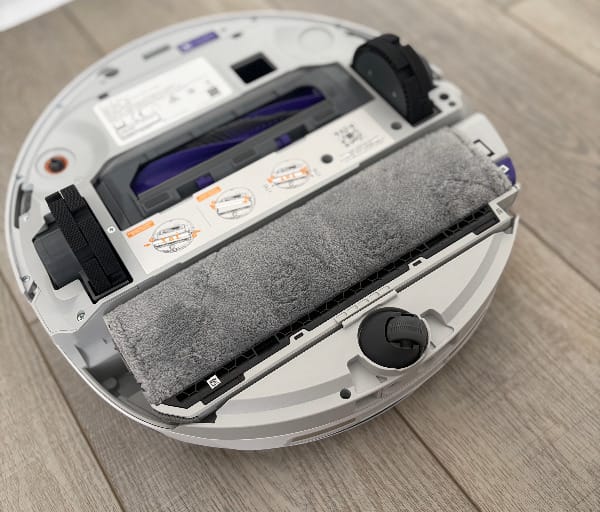
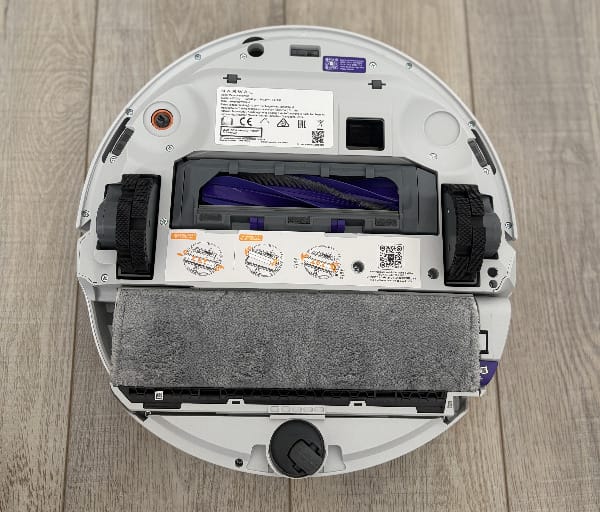
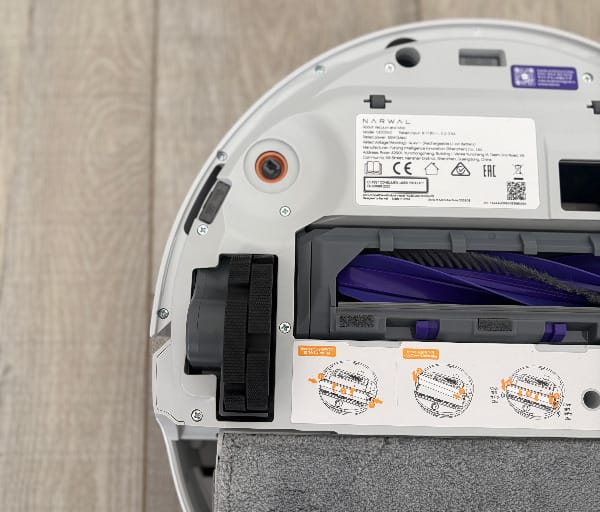
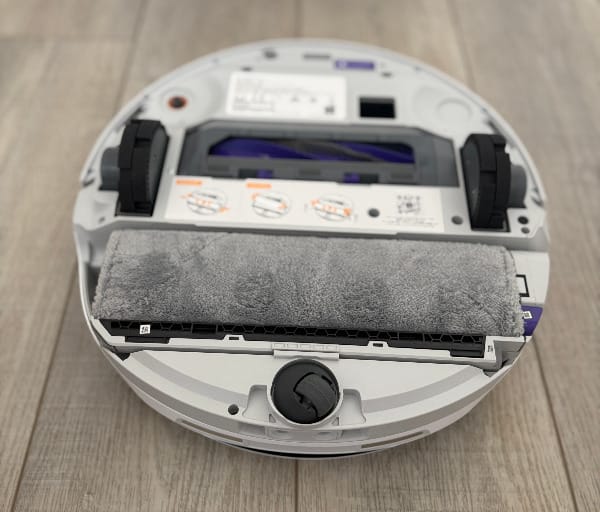
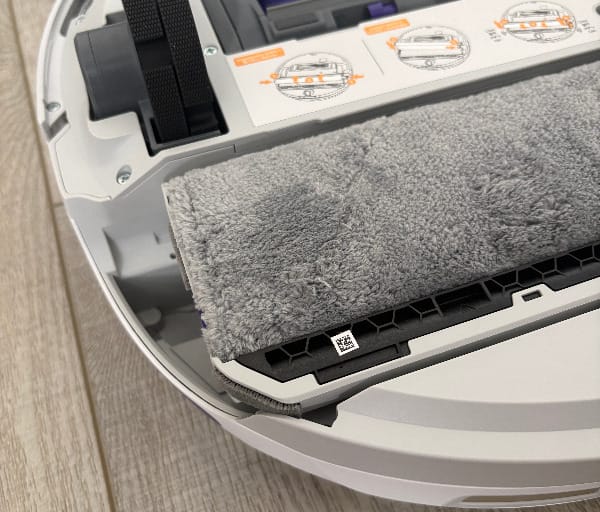
What sets the Freo 20 apart physically is that roller mop. Instead of the small spinning pads most competitors use, Narwal fits a 266mm by 55mm flattened track mop that the company describes as the world’s first self-cleaning design of its kind, offering seven times the floor contact area of a conventional roller mop.
That wider, flatter profile means more of the mop is actually touching the floor at any given moment, rather than relying on a curved roller that only makes contact along a thin line. In practice, this is meant to translate into more even cleaning coverage per pass rather than streaky or missed sections.
The mop can also lift itself by 12mm when the robot is vacuuming only, which keeps it from dragging a damp cloth across rugs or carpet. This lift mechanism works automatically based on the floor type detected in the app’s map, so there is no need to manually swap modules between rooms.
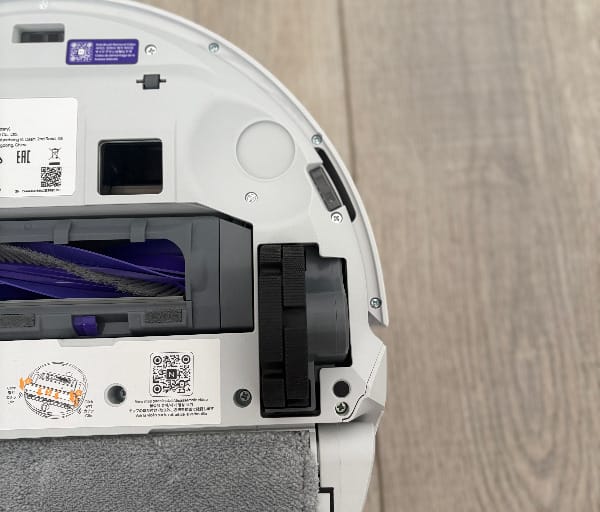
Underneath the robot, the main brush uses a zero-tangling floating roller design, paired with an extendable anti-tangle side brush. Narwal calls this combination the DualFlow Tangle-Free System, and the engineering goal is simple: guide hair towards the suction channel instead of letting it wind around an axle.
The main roller is supported from one end only, leaving the opposite end open rather than capped. This is a deliberate choice that gives trapped hair somewhere to slide off, rather than accumulating around a fixed bearing the way it does on many older vacuum designs.
Sensing duties are handled by two RGB cameras combined with lateral structured light, forming what Narwal brands as its TwinAI Dodge obstacle avoidance system. The dual-camera setup is there to give the robot a more complete read on object shape and distance than a single sensor could provide on its own.
The dustbin holds 2.4 litres via a dust bag, which Narwal rates for up to 120 days of storage before it needs replacing. That is a genuinely long interval for a household with pets or anyone who would rather not think about vacuum maintenance every week.
Inside the dock, a 16-nozzle spray system handles mop washing, working alongside hot water that can reach up to 100°C during the self-cleaning cycle. The water temperature at the point of mopping contact itself sits at a gentler 60°C, warm enough to help cut through grease without being uncomfortable for bare feet or paws.
A continuous self-cleaning cycle runs through four stages inside the dock: heat, spread, press and refresh. Heated water is distributed across the mop, pressed in with roughly 12 newtons of downward force, and then refreshed before the next pass, so the mop is rarely cleaning with dirty water.
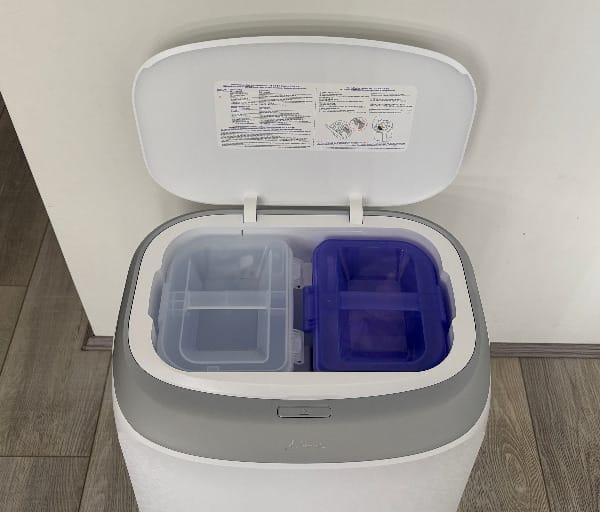
Clean and dirty water are kept in separate tanks within the dock, and the system automatically refills the clean supply as needed rather than requiring a manual top-up before every session. A replaceable cleaning filter and scale inhibitor are included to help manage mineral build-up in the water system over time.
Threshold crossing is rated at 40mm, which should be enough to handle most door strips, low rug edges and the lip between tiled and carpeted rooms without the robot getting stuck or needing a running start.
Power comes from a 6400mAh battery with fast-charging support, and the dock is designed to let the robot wash its mop and recharge at the same time, rather than finishing one task before starting the other.
On the software side, Narwal includes its Freo Mind Mode 4.0 interactive layer, along with an onboard voice assistant and video-call functionality, letting the robot double as a basic home-monitoring or communication point when needed.
Everything needed to get started is included in the box: the robot, a track mopping module, dust bin, multifunctional dock, cleaning dock, clean and dirty water tanks, a power cord, a spare anti-tangle side brush, dust bin filter, dust bags, cleaning solution and a scale inhibitor.
Key Features
The headline feature is undoubtedly the FlowWash mopping system, and Narwal is not shy about calling it a world first. The flattened, wider mop format is the core differentiator, giving the Freo 20 far more surface contact than the small spinning discs found on many other robot mops.
Suction power sits at 31,000Pa, a figure that puts the Freo 20 firmly in the upper tier of robot vacuums currently available. That level of suction matters most on carpets and rugs, where a weaker motor would struggle to pull embedded dust and hair up out of the fibres.
The DualFlow Tangle-Free System pairs that suction with a brush design specifically engineered against the most common robot vacuum complaint: hair wrapping tightly around the roller until it jams. The open-ended, floating roller construction is built to let hair escape rather than accumulate.
TwinAI Dodge obstacle avoidance uses two RGB cameras along with lateral structured light to build a three-dimensional picture of what is on the floor ahead. This dual-sensor approach is designed to reduce both false stops around harmless objects and collisions with things the robot should have avoided.
Hot-water mopping is one of the more practical features on paper. Mopping at 60°C is intended to help break down grease and dried-on spills that cold water simply pushes around, while remaining safe for households with children or pets walking across freshly mopped floors.
Narwal states the system achieves wet mess removal above 99.9 percent and grease removal above 98 percent in its own testing, figures that reflect the combined effect of the wider mop, the heated water and the downward pressure applied during cleaning.
The self-cleaning dock is arguably what makes the hot-water mopping feature usable day to day. Rather than requiring a household member to wash the mop by hand, the 16-nozzle spray system flushes it with water as hot as 100°C between cleaning sessions.
After washing, the dock dries the mop using warm air up to 60°C, which is an important detail for anyone who has dealt with a musty-smelling mop pad left damp in a cupboard after a previous robot vacuum generation.
Auto tank refilling removes one of the more tedious parts of owning a mopping robot. The dock tops up its clean water supply automatically, so the household does not need to remember to refill a tank before every scheduled clean.
Simultaneous wash-and-charge functionality means the robot is not sitting idle waiting for its mop to dry before it can top up its battery. Both processes run in parallel, which should shorten the gap between cleaning sessions for busier households.
A 2.4-litre dust bag rated for up to 120 days of storage is a genuinely useful quality-of-life feature, particularly for anyone managing pet hair or allergies who would rather empty a vacuum less often, not more.
The 40mm threshold crossing capability extends the Freo 20’s usefulness beyond a single room, allowing it to move between tiled, timber and low-pile carpeted areas without needing to be manually lifted over transition strips.
Freo Mind Mode 4.0 adds a layer of interactivity on top of the cleaning hardware, while the built-in voice assistant and video-call support give the robot a secondary role as a basic communication device around the home.
Everything required to start using these features ships in the box, from the spare side brush and replaceable filter to the cleaning solution and scale inhibitor, so there is no immediate need to source consumables separately.
Experience Using the Product and Performance
Specifications only tell part of the story with a robot vacuum, since so much of the experience comes down to how the hardware and software behave together in a real home rather than a demonstration space. The following sections break down how the Freo 20 performed across setup, vacuuming, mopping, navigation and day-to-day automation.
A typical test environment for a product like this includes a mix of hard flooring, rugs, pet hair, furniture with awkward legs and the kind of loose cabling that lives beside a bed or a television unit. That combination is a reasonable stand-in for how most Australian households actually look day to day.
Setup and Mapping
Unboxing the Freo 20 is a more involved process than unpacking a simple vacuum-only robot, mostly because of the dock’s water tanks and accessories. Narwal has built handholds into the dock itself, which makes lifting the fairly heavy base station out of its packaging noticeably easier than it could have been.
Initial setup walks through pairing the robot with the dock, inserting the dust bag and filling the water tanks before the first mapping run can begin. The app prompts users to clear floors of toys, cables and loose items before mapping starts, which is sensible advice rather than an admission that the cameras cannot cope with mess.
Quick mapping is treated as a separate step from actual cleaning, meaning the robot explores the home first and returns without vacuuming along the way. That separation is a nice touch, since it allows the resulting floor plan to be checked and corrected before any cleaning schedule is set.
The mapping software includes detailed editing tools once a floor plan exists, letting rooms be renamed, furniture markers added, and floor materials adjusted. Floor-type detection was largely accurate, correctly picking tiled bathrooms, though the occasional timber floor was initially logged as tile and needed a manual correction.
Adding new rooms later on is handled through supplementary mapping, where newly opened doors trigger a prompt to expand the existing map rather than forcing a full remap of the home. It is a convenient system once you know the add-room indicator exists, though it is not the most obvious option to find on a first look through the menus.
Vacuuming Performance
Suction performance is where the Freo 20 makes its strongest first impression. At 31,000Pa, it has no trouble lifting embedded dust and fine debris out of both hard flooring and the fibres of a plush bathroom mat.
Pet hair is handled particularly well along skirting boards and room edges, areas where many robot vacuums tend to leave a faint trail behind. Recessed kickboards under kitchen cabinetry remain a harder reach for any robot of this size, but the overall amount of hair left behind after a session is noticeably low.
Fine dust from ducted heating systems is another useful real-world test, since it tends to resettle quickly across a room. The Freo 20 handled this kind of light, widespread debris well, without leaving the faint streaking some vacuums produce when suction briefly falls short of what is needed.
The DualFlow anti-tangle system holds up to sustained pet hair exposure. Across extended use with a shedding dog in the house, the main roller has avoided the thick wrapping of hair around its axle that eventually slows down many conventional robot vacuums.
A Super Powerful suction setting is available for heavier jobs, and it is considerably louder than the standard cleaning mode, closer to a small motor running at full tilt than a typical household vacuum. It is a useful option for a deep clean, though not something most households would run every day.
Obstacle handling around vacuuming tasks has generally been sensible. Loose cables near furniture, shoes left near a bed, and other everyday clutter have mostly been avoided rather than ingested, which reduces the amount of pre-cleaning tidying required before each run.
Mopping and Self-Cleaning
The FlowWash roller mop is where the design differences from a typical robot mop become most obvious in daily use. Its wider, flattened shape makes consistent contact across a larger stretch of floor with each pass, rather than relying on the narrow line of contact a spinning disc produces.
Mopping at 60°C noticeably helps with everyday kitchen grime, including light grease spatter near the stove and dried spill marks that a cold-water mop tends to smear rather than lift. Narwal’s figures of over 99.9 percent wet mess removal and over 98 percent grease removal line up with how clean the floor looks after a pass.
The automatic mop lift is a welcome inclusion when the robot crosses from hard flooring onto a rug, since there is no damp mop dragging across carpet fibres or leaving a faint wet trail where it should not.
Self-cleaning inside the dock is thorough rather than token. The 16-nozzle spray system flushes the mop with water heated up to 100°C, and the mop comes out of the cycle visibly cleaner than the rinse-and-wring approach used by many other mopping robots.
Drying the mop with warm air up to 60°C after washing avoids the lingering damp smell that develops when a mop pad is left sitting wet between cleaning sessions, a small detail that makes a noticeable difference to overall hygiene.
Automatic water tank refilling and the ability to wash and charge at the same time both reduce the amount of manual intervention required between cleaning sessions, which suits households that would rather set a schedule and leave the robot to it.
Navigation and Obstacle Avoidance
Navigation does not always follow the neat, methodical lane pattern seen in some rival robot vacuums. The Freo 20 tends to take a less predictable route around a room, though it still reliably covers the full mapped area by the end of a session.
TwinAI Dodge obstacle avoidance, built from the dual RGB cameras and structured light, has proven reliable around loose cables, shoes and smaller household items left on the floor. Running the AI-based obstacle strategy rather than the more conservative safety mode still resulted in sensible avoidance of items worth protecting.
Occasional mapping quirks do appear around reflective or transparent surfaces, such as glass doors or window areas, where the map sometimes shows extra open space beyond what the robot can physically clean. These are minor visual inconsistencies rather than functional navigation problems.
The 40mm threshold crossing rating holds up in practice, with the robot moving between tiled kitchen flooring, timber living areas and low-pile rugs without needing to be manually lifted over transition strips.
Pause and stop controls within the app respond promptly, which matters when an unfamiliar noise suggests the robot has picked up something it should not have. Being able to pause quickly rather than relying only on a long-press stop makes it easier to intervene before a small object becomes a bigger problem.
App, Automation and Smart Features
The companion app covers the expected ground: scheduling, room selection, suction and water level adjustment, and zone-based spot cleaning for smaller messes without needing to clean an entire room.
Freo Mind Mode 4.0 adds a layer of smarter automation on top of standard scheduling, adjusting behaviour based on the mapped environment rather than treating every room identically.
The onboard voice assistant and video-call functionality extend the Freo 20’s role slightly beyond pure cleaning, giving it a secondary use as a basic communication point around the home for households that want it.
Preferred charging windows can be set within the app, which is a handy inclusion for anyone on a time-of-use electricity plan who would rather the robot charge during cheaper off-peak periods.
Maintenance and Battery Life
Day-to-day maintenance is noticeably lighter than older robot vacuum generations, largely thanks to the 2.4-litre dust bag rated for up to 120 days of storage and the dock’s automatic mop washing and drying cycle.
The 6400mAh battery, combined with fast charging and the ability to wash the mop while recharging, keeps the Freo 20 ready for its next scheduled clean without long idle periods between sessions.
Conclusion
The Narwal Freo 20 makes a strong case for the flattened roller mop as a genuinely better approach than the spinning pads still common on competing robot vacuums. Wider floor contact, hot-water washing and an automatic drying cycle add up to cleaner floors with less manual upkeep.
Suction performance at 31,000Pa holds its own against embedded dust, pet hair and fine debris, while the DualFlow anti-tangle brush system has proven effective at keeping hair from building up around the main roller over extended use.
Navigation and obstacle avoidance, powered by the dual-camera TwinAI Dodge system, handles everyday household clutter sensibly without demanding a perfectly tidied floor before every session. Mapping tools are detailed once you know where to find the less obvious options, such as supplementary room additions.
For households after a robot vacuum and mop that genuinely reduces manual cleaning and maintenance rather than just adding another gadget to charge, the Narwal Freo 20 delivers on most of its headline promises, and its self-cleaning dock in particular stands out against other robot vacuum and mop combinations on the market.
Frequently asked questions
Does the Narwal Freo 20 wash its own mop?
Yes. The dock uses a 16-nozzle spray system to wash the mop in water heated up to 100°C, then dries it with warm air up to 60°C, so the mop is not left sitting damp between cleaning sessions.
How much suction does the Narwal Freo 20 have?
The Freo 20 is rated at 31,000Pa of suction, paired with a DualFlow anti-tangle brush system designed to stop hair from wrapping around the main roller during use.
How often does the dust bag need to be emptied?
The 2.4-litre dust bag is rated to hold debris for up to 120 days, which significantly reduces how often the bag needs to be replaced compared with many standard robot vacuums.
What is included in the box with the Narwal Freo 20?
The package includes the robot, track mopping module, dust bin, multifunctional dock, clean and dirty water tanks, power cord, a spare anti-tangle side brush, dust bin filter, dust bags, cleaning solution and a scale inhibitor.