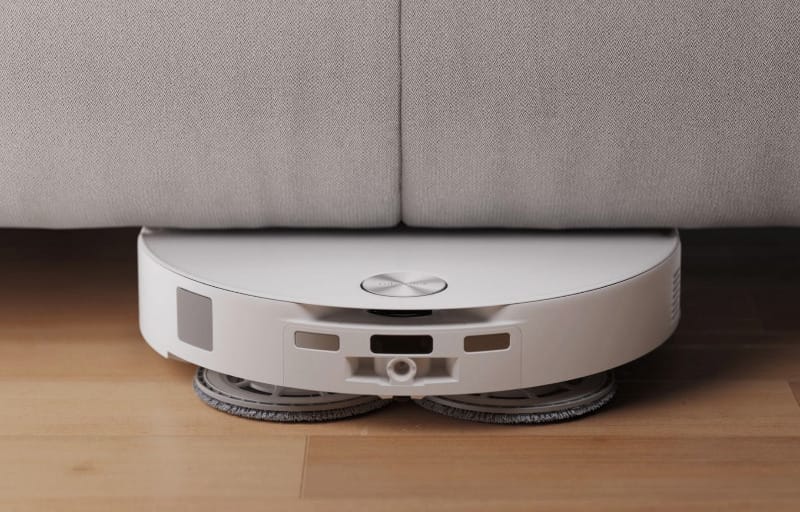
The Roborock Qrevo Edge 3 Pro arrives as one of the most capable robot vacuum and mop combos the brand has put out, and the white review unit tested here shows off a finish that suits most modern Australian living rooms without drawing too much attention to itself. Rated at 36,000 Pa of suction, it pairs genuinely strong carpet cleaning with a chassis built to climb over thresholds that would stop cheaper robots in their tracks. It sits at the premium end of Roborock’s Qrevo Edge family, above the existing Qrevo Edge 2 Pro, despite the similar naming.
Review summary
Roborock Qrevo Edge 3 Pro Review
The Roborock Qrevo Edge 3 Pro delivers flagship-level performance with 36,000 Pa suction and genuinely strong carpet cleaning capabilities, backed by a thoughtfully engineered chassis designed to handle larger homes with mixed flooring. Its retractable LiDAR, self-washing dock with heated water, and adaptive height adjustment make it one of the more capable robot vacuum-mop combos available, with particular strength in hair management and threshold crossing.
Highlights
- ✓36,000 Pa suction with excellent carpet deep-clean performance
- ✓Retracting LiDAR and adaptive chassis for under-furniture access
- ✓Self-washing dock with heated water and automatic detergent dispensing
- ✓Handles up to 88mm tiered thresholds and mixed flooring types
- ✓Superior hair tangling resistance with DuoDivide brush design
This model was unveiled around IFA 2026 and, somewhat confusingly, is also sold in parts of Europe under the Roborock Saros 20 Neo name. Roborock has confirmed these are simply regional badge differences for the same hardware, which is a handy thing to know if the model name ever comes up while comparing overseas pricing or reviews.
This review covers how the white Qrevo Edge 3 Pro looks and feels day to day, what its headline features actually do, and how it performed across hard floors, carpet, and the usual household mess during an extended test period. Anyone shopping for a robot vacuum capable of handling a larger or more complex floor plan will want to see how it stacks up.
Table of Contents
Design and Functionality
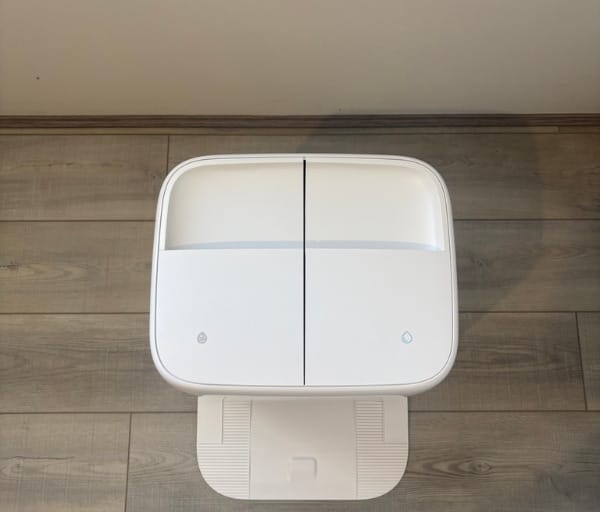
In white, the Qrevo Edge 3 Pro has a clean, understated look that avoids the bulky, gadget-heavy appearance of some rivals. The matching dock shares the same white finish, so the pairing sits neatly in a hallway or open-plan living area rather than looking like a piece of lab equipment.
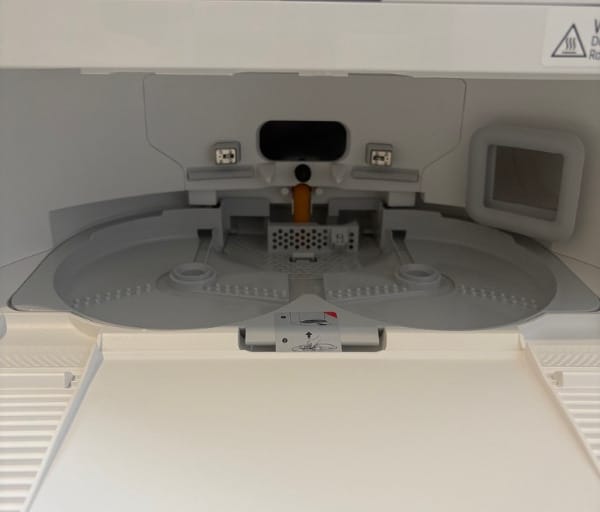
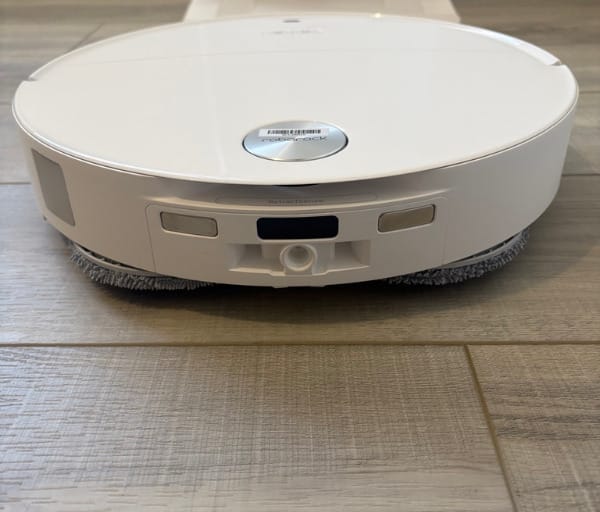
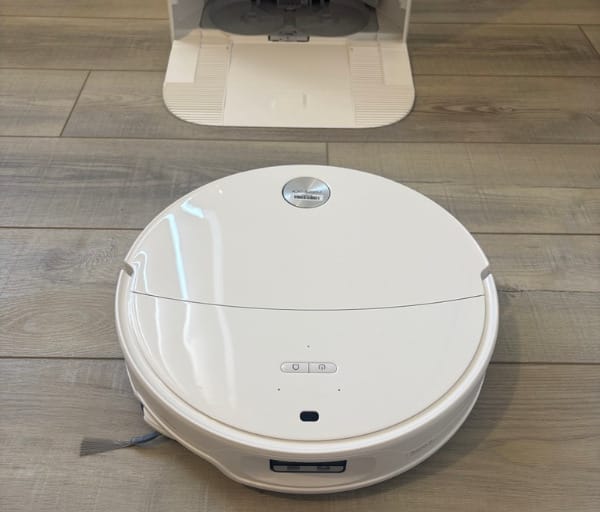
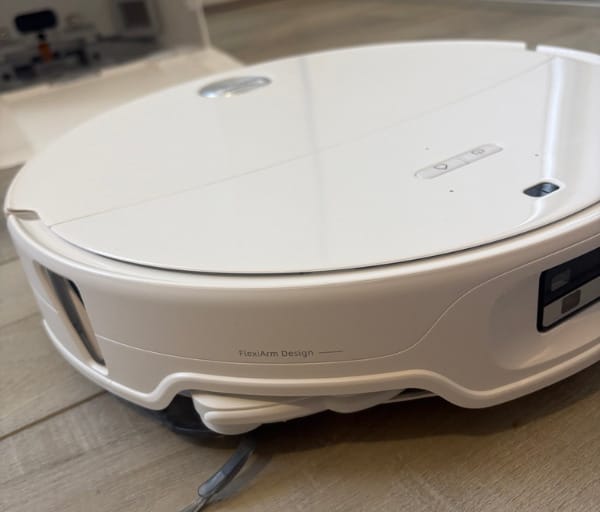
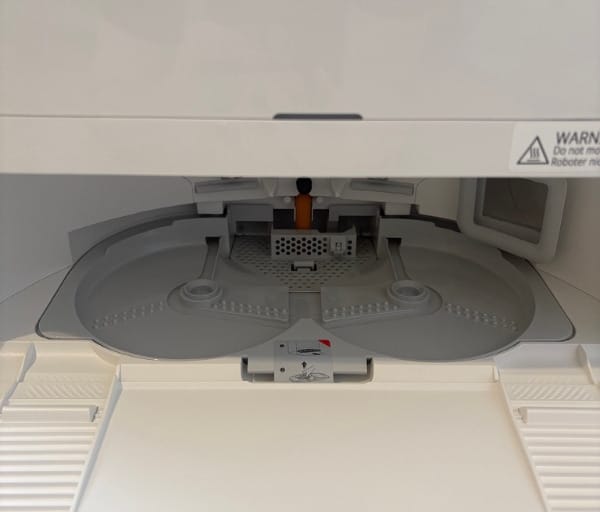
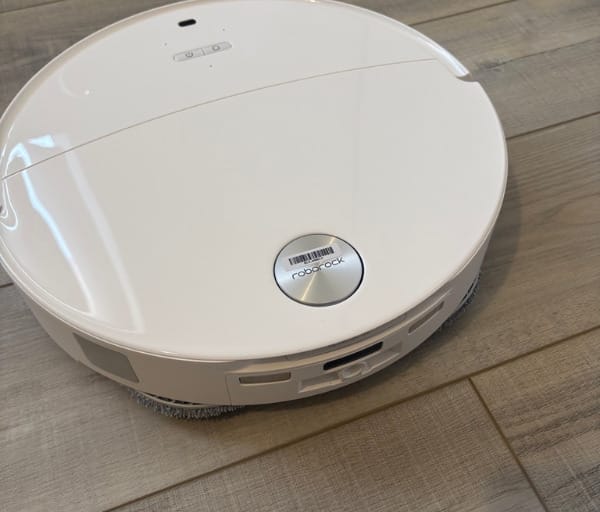
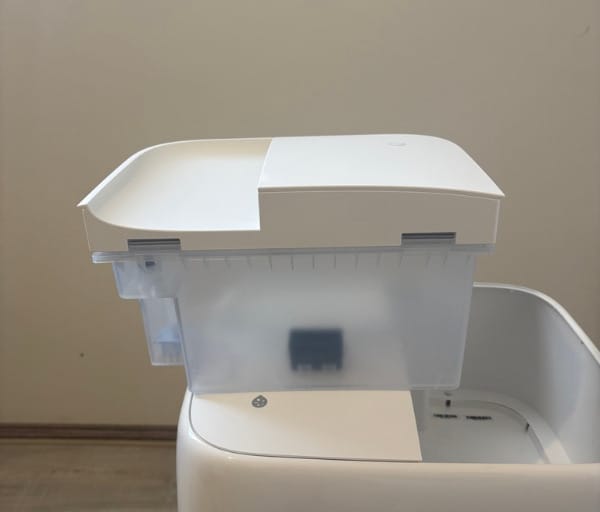
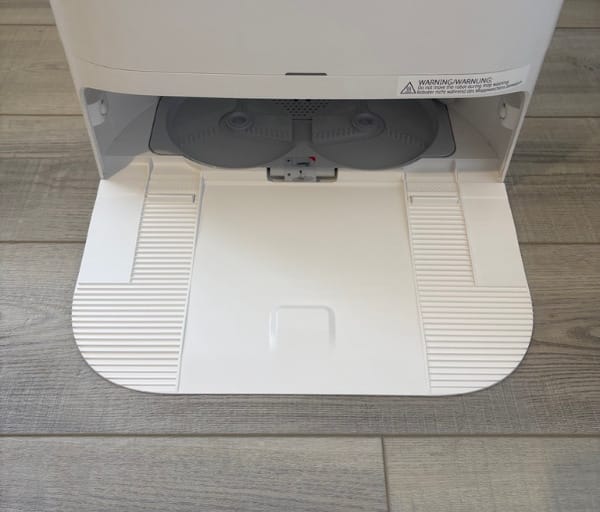
One of the more clever design choices is just how low the robot sits, at roughly 79mm tall. That low profile is possible because of Roborock’s RetractSense LiDAR, a navigation sensor that normally sits proud on top of the robot but tucks itself away when the robot detects tight clearance underneath furniture.
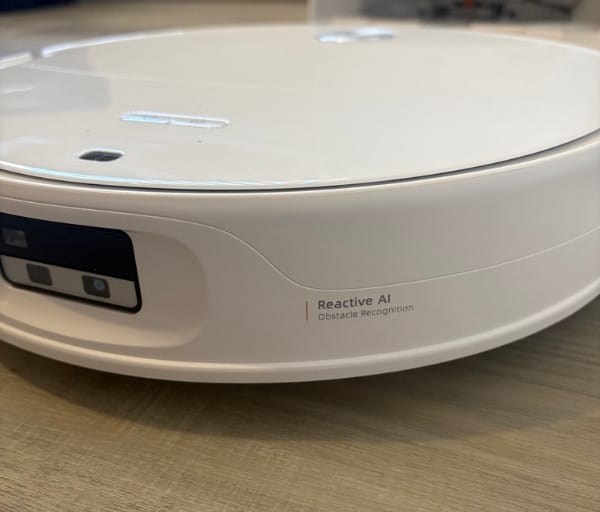
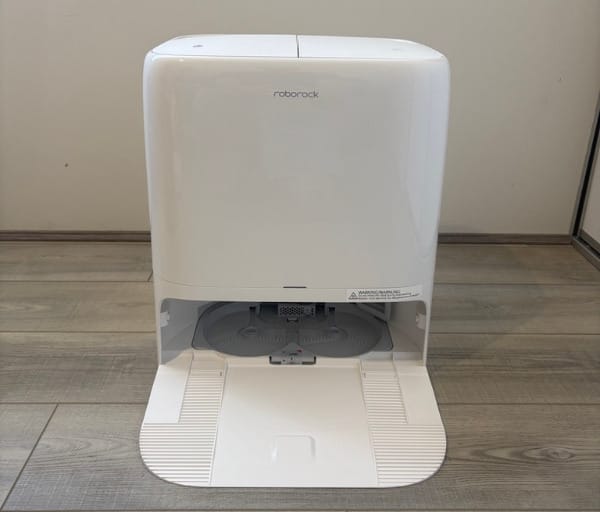
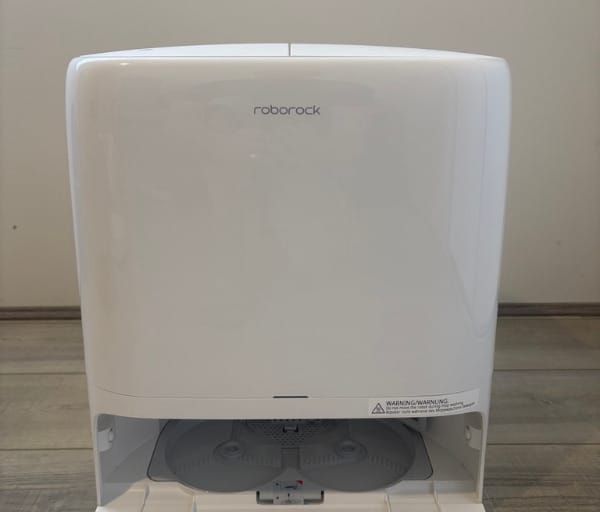
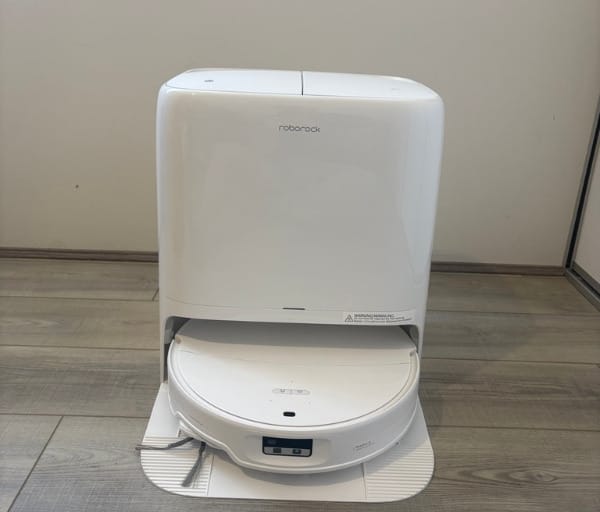
That retracting sensor means the Qrevo Edge 3 Pro can duck under sofas, bed frames, and low cabinets that would otherwise block a taller robot vacuum. It is a small mechanical detail, but it has a real impact on how much of a home actually gets cleaned without manual intervention.
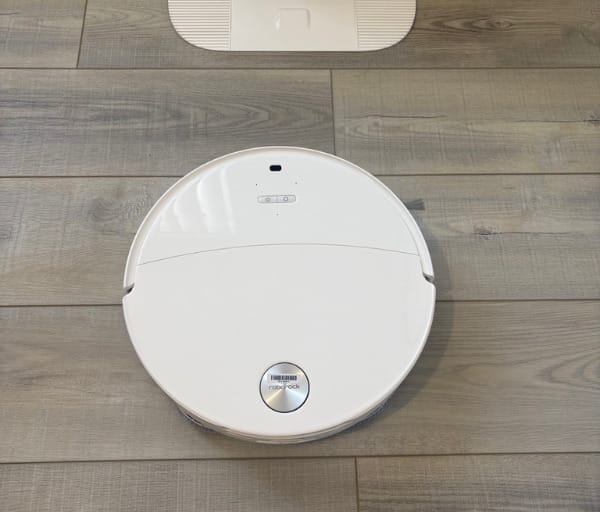
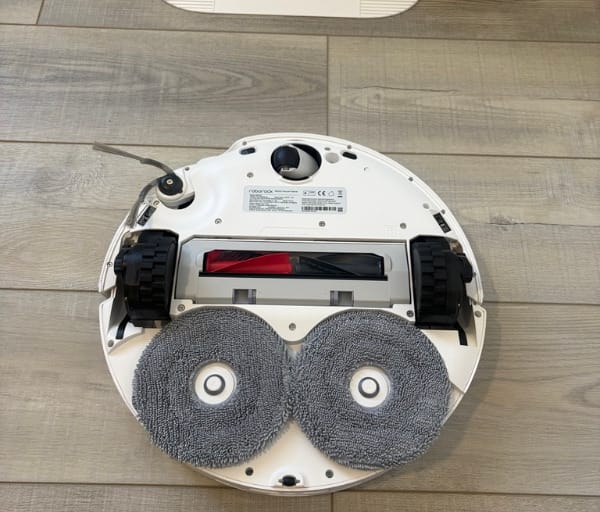
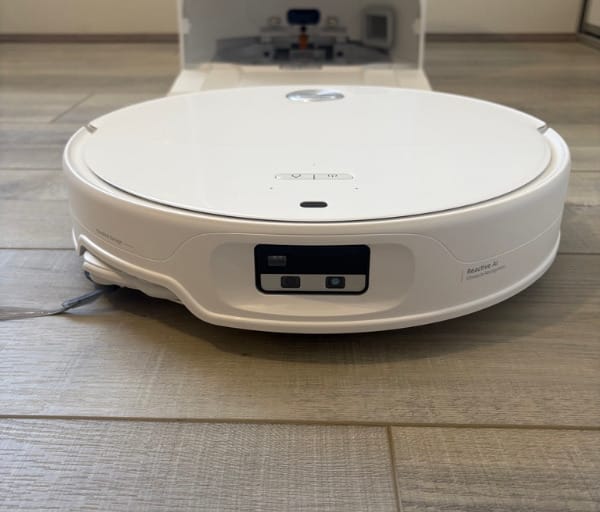
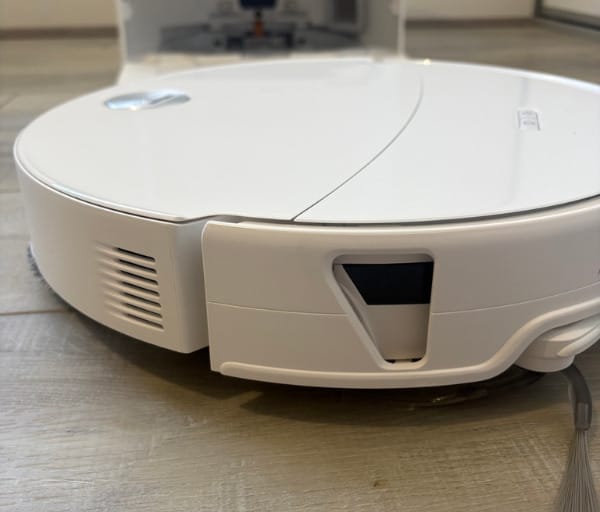
The chassis itself uses what Roborock calls AdaptiLift Chassis 3.0, a system designed to adjust the robot’s height and traction as it moves between flooring types. It is rated to cross a tiered threshold totalling 88mm, including an initial 45mm step, which covers most raised thresholds found between tiled and carpeted rooms.
Underneath, the main brush uses Roborock’s DuoDivide design, a floating roller with a centre split that is meant to funnel long hair toward the suction intake rather than letting it wrap around the bristles. It is a small design tweak, but one aimed squarely at households with pets or long hair.
A FlexiArm Arc Side Brush extends out to reach into corners and along skirting boards, then retracts again to minimise the chance of hair or fibres catching on it. This kind of extending brush is common on flagship robots now, but Roborock’s version is specifically engineered to resist tangling rather than just reach further.
For mopping, dual spinning pads sit beneath the robot and are joined by an extending arm that reaches further toward walls and furniture edges than the main body of the robot. This is the same basic idea Roborock used in the Roborock Qrevo Edge 2 Pro, refined further here.
The mop pads automatically lift around 15mm when the robot moves onto carpet, which stops them from dragging wet pads across rugs or carpeted areas. This happens without any manual input, so switching between hard floor and carpet mid-clean does not require stopping to swap mop plates.
For homes with thicker carpet, Roborock says the robot can lift its chassis further and remove the mop pads entirely, allowing it to clean carpet pile up to around 30mm. Combined with the threshold crossing ability, this makes the Qrevo Edge 3 Pro a reasonable option for homes with a genuine mix of flooring types across multiple rooms.
The onboard dustbin is one area where the design is more conservative, holding 240mL, which is noticeably smaller than many competing premium robots that tend to sit closer to 377mL. It is a trade-off worth knowing about before relying purely on the robot’s bin rather than the dock’s auto-empty function.
The dock itself is a fairly substantial white tower that houses a water tank, a detergent compartment, and the mechanisms for washing and drying the mop pads. It is not a small footprint, so a bit of planning around where it sits against a wall is worthwhile before setup.
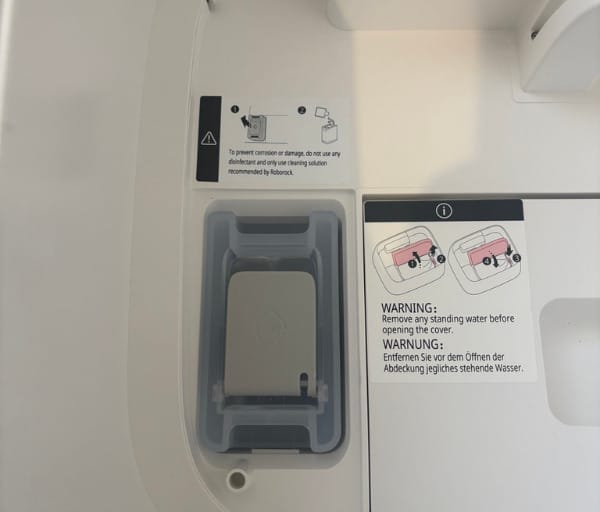
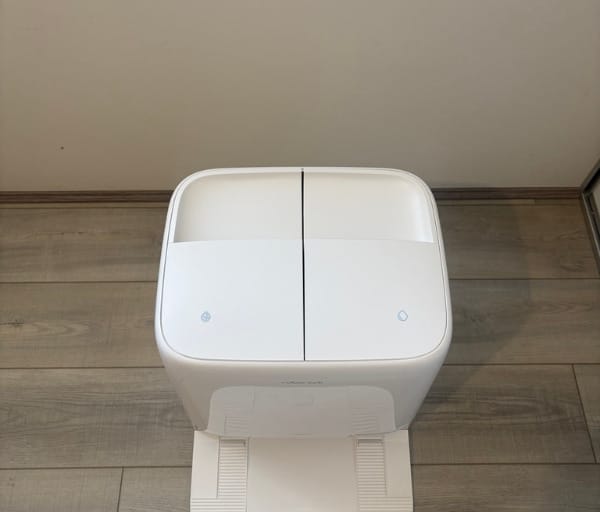
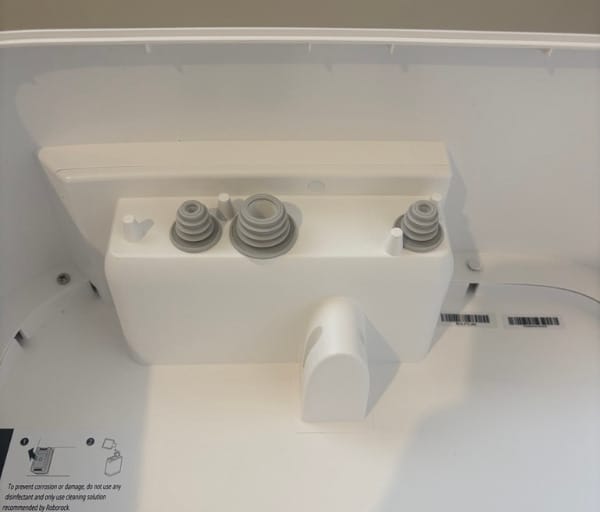
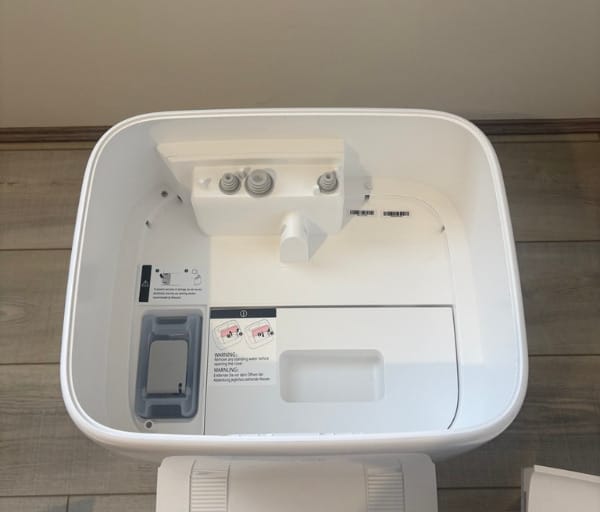
Build quality on the review unit felt solid, with tight panel gaps and a matte white plastic finish that resists showing fingerprints better than a glossy surface would. The bump sensor on the front is rubberised, which should help limit scuffing on furniture and skirting boards over time.
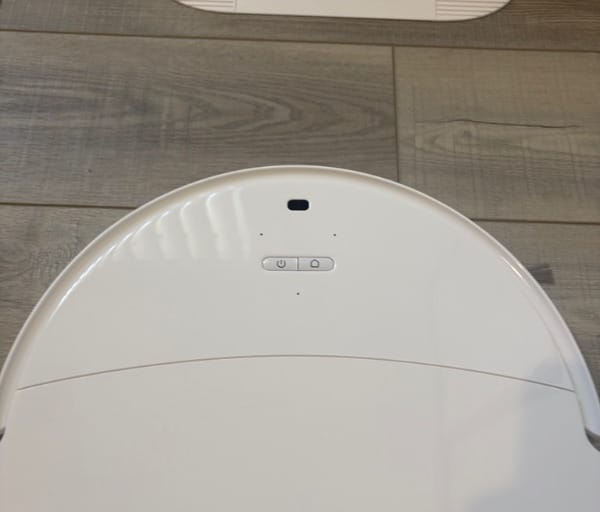
A single physical button sits on top of the robot for manual start or return-to-dock commands, with a small status light ring that changes colour to indicate cleaning, charging, or error states. It is a sensible inclusion for anyone who does not always want to reach for the app.
Wheel suspension is tuned to help the robot grip and climb rather than spin out on rugs with a thicker pile, which ties back into the overall threshold and carpet climbing performance. Smaller elevation changes, like floor transition strips, were handled without any noticeable hesitation.
The combination of the retracting LiDAR, extending side brush, and lifting mop pads shows a level of mechanical complexity that goes well beyond a basic disc-shaped vacuum. Each of these systems is doing a specific job rather than being included purely for a spec sheet.
Taken together, the physical design of the Qrevo Edge 3 Pro reads as a robot built with larger, more varied homes in mind rather than a single-room apartment. The white finish used for this review unit suits that positioning, since it is the kind of device meant to be seen moving between rooms rather than hidden away.
Key Features
The headline figure most buyers will see first is the 36,000 Pa suction rating, which pairs with the DuoDivide main brush to tackle both fine dust and larger debris. This suction figure places the Qrevo Edge 3 Pro firmly in flagship territory for 2026-era robot vacuums.
Navigation is handled by a suite of sensors rather than a single camera, which is fairly typical of Roborock’s higher-end models. The retractable LiDAR works alongside VertiBeam lateral sensors, a front-facing camera with 3D structured light, and an LED light assist for low-light rooms.
Roborock states this sensor combination can recognise more than 300 different object types around the home, from shoes and cables to pet waste. That kind of object recognition is designed to reduce the number of times the robot gets stuck or drags something across the floor.
The self-emptying, self-washing dock is arguably as important as the robot itself for day-to-day convenience. After a cleaning run, the dock empties the onboard dustbin and then washes the mop pads using water heated to as hot as 100°C.
Once washed, the pads are dried using warm air rated at 55°C, which helps avoid the musty smell that can build up in mop pads left damp between cleaning sessions. This is a meaningful quality-of-life feature for anyone who mops regularly rather than occasionally.
Detergent dispensing is automated as well, with the dock adding cleaning solution to the water used for washing the mop pads without any manual topping up required beyond refilling the detergent reservoir itself. It is one less thing to remember during a busy week.
The dock also heats the water supplied to the robot’s onboard tank for mopping, which Roborock says helps lift grease and grime more effectively than cold water alone. Warm water mopping is becoming more common on flagship robots, and it is a welcome inclusion here rather than being reserved for a more expensive tier.
On the mobility side, AdaptiLift Chassis 3.0 is the feature doing the heavy lifting, letting the robot cross the tiered 88mm threshold mentioned earlier and manage thicker carpet by lifting its body and removing the mop pads. This is one of the more genuinely useful engineering features on the robot rather than a marketing-only spec.
The Roborock app remains a strong point across the brand’s range, and the Qrevo Edge 3 Pro is no exception. Room-by-room mapping, no-go zones, cleaning schedules, and suction or water flow adjustments are all accessible from a single, well-organised interface.
A live camera feed can be accessed through the app, which doubles as a basic home monitoring tool when paired with the robot’s object recognition. Pet owners get a dedicated Pet Care Hub within the app, grouping together pet-related settings and detection features in one place.
An onboard voice assistant lets the robot respond to spoken commands directly, while support for third-party voice platforms means it can also be controlled through existing smart speaker setups. Matter compatibility rounds this out, giving it a path into broader smart home ecosystems beyond Roborock’s own app.
For buyers comparing across Roborock’s current lineup, it is worth noting the Qrevo Edge 3 Pro sits above models like the Roborock Qrevo Master in terms of chassis mobility and dock automation, even though both share a similar self-cleaning philosophy.
The regional naming overlap with the Roborock Saros 20 Neo is also worth keeping in mind as a feature of sorts, since it means Australian buyers researching overseas reviews may come across the same robot under a different name. The hardware and feature set remain identical according to Roborock.
A quick look at the core specifications helps put these features into context against the wider premium robot vacuum category.
| Specification | Roborock Qrevo Edge 3 Pro |
|---|---|
| Suction rating | 36,000 Pa |
| Dustbin capacity | 240mL (onboard) |
| Threshold crossing | Up to 88mm tiered, 45mm first step |
| Robot height | Approx. 79mm (with retractable LiDAR) |
| Mop water heating | Up to 100°C |
| Mop pad drying | Warm air, 55°C |
| Colour tested | White |
Experience Using the Product and Performance
Setup and First Impressions
Getting the white Qrevo Edge 3 Pro running took only a few minutes from unboxing to its first cleaning run. The dock needed its water tank filled and detergent compartment loaded, after which the Roborock app walked through Wi-Fi and Bluetooth pairing without any confusing steps.
The robot located its dock immediately after being powered on, then began an initial mapping run of the test space. Watching it move through the first lap of a home gives a quick sense of how confidently it reads a room, and this unit moved with noticeably less hesitation around furniture legs than older Roborock models tested previously.
Within one mapping pass, rooms were already roughly segmented in the app, ready for naming and further customisation. No rescans were needed to get a usable floor plan, which is not always the case with robot vacuums on more complex, multi-room layouts.
First impressions of the physical unit matched the design section above: the white finish looked tidy sitting against a white dock, and the robot’s movement felt deliberate rather than erratic, even before any cleaning settings had been adjusted.
Carpet and Hard Floor Cleaning
Carpet performance stood out as a genuine strength during testing. Fine sand worked into a medium-pile carpet was pulled up at a 93 percent rate, a result well ahead of typical robot vacuum performance in this kind of deep-clean test and one of the stronger scores recorded for any robot vacuum in recent memory.
Hair tangling, often the Achilles heel of robot vacuums in homes with pets or long hair, was not an issue at all. Across a seven-inch hair tangle test, none of the hair wrapped around the main brush or side brush, which lines up with Roborock’s claims about the DuoDivide brush design.
Pet hair pickup on carpet also impressed, with the robot collecting 87.5 percent of hair flattened into the carpet fibres during testing. That is a strong result, comfortably ahead of the typical robot vacuum average, even if it falls just short of the very best performers in this specific category.
On hard floors, the robot handled a mix of fine and larger debris competently, though a small amount of fine dust scattered during the first pass over a test area before being picked up cleanly on the second pass. This is a minor quirk rather than a serious flaw, and it only showed up with especially fine debris on hard flooring.
Switching between carpet and hard floor mid-run was seamless, with the robot automatically adjusting suction and lifting the mop pads without needing any manual trigger. This matters in real homes where open-plan living areas often mix tile, timber, and area rugs in the same room.
Edge and corner cleaning benefited from the extending FlexiArm side brush, which reached visibly closer to skirting boards than robots without this kind of extending mechanism. Dust and debris that typically collect along wall edges were noticeably reduced after repeated cleaning cycles.
Mobility and Threshold Crossing
The AdaptiLift Chassis 3.0 lived up to its billing during testing, successfully crossing a 57mm single-step barrier, which matches some of the better results seen from any robot vacuum tested to date. That kind of threshold crossing covers the vast majority of raised doorways and room transitions found in typical homes.
A tougher 64mm barrier was also attempted, and the robot managed to climb over it once, though it could not repeat the climb consistently enough to treat it as reliable. Roborock’s official rating of a 57mm practical limit seems accurate based on this testing, with the 64mm result best viewed as an occasional bonus rather than a guarantee.
Thicker carpet was handled using the chassis lift and mop pad removal feature described earlier, and the robot moved onto and off medium-pile rugs without getting stuck or needing a manual nudge. For homes with mixed flooring and the odd thick rug, this mobility is a genuine practical advantage.
Door thresholds between tiled and timber-floored rooms, along with smaller transition strips, were crossed without hesitation throughout the test period. This consistency matters more in daily use than the headline threshold figures, since most transitions in a typical home are modest rather than extreme.
Navigation and Obstacle Avoidance
Coverage efficiency came in at 0.795 square metres per minute, ahead of the typical robot vacuum average for this kind of test. In practical terms, that means more floor gets cleaned per minute of runtime, which is useful in larger homes where battery life needs to stretch across more square metres.
Battery efficiency measured at 1.62 minutes of runtime per percentage point of battery used, slightly ahead of the typical average. Combined with its coverage speed, this translates to an estimated 128 square metres cleaned per charge, well above the typical robot vacuum’s estimated 109 square metres.
Obstacle avoidance was tested against a course of 24 common household objects, with the Qrevo Edge 3 Pro successfully avoiding 18 of them. That is a solid result, ahead of the typical average for robot vacuums in this kind of test, and it reflects well on the combined camera, structured light, and lateral sensor system.
Mopping Performance
Stain removal results were respectable rather than exceptional. In a general dried stain test, the robot scored 115 points, ahead of the typical average, showing it can tackle everyday spills and residue reasonably well during a standard mopping run.
A tougher coffee-specific stain test produced a lower score of 77 points, below the typical average for this particular challenge. Dried coffee stains tend to be stubborn for any mop-equipped robot, and this is one area where the Qrevo Edge 3 Pro did not lead the field.
Where it did excel was water usage, measuring just 0.30 grams during mopping tests, far below the typical average. Lower water usage during mopping generally means less streaking as floors dry and less risk of excess moisture reaching timber or laminate flooring.
Combining stain removal with water efficiency produced an overall mopping score well above the typical average for robot vacuums in this category. The low water footprint stood out as the more impressive half of that equation during testing.
Dock Automation in Daily Use
Living with the dock day to day was straightforward once the detergent and water tanks were topped up. The robot returned, emptied its bin, and began the mop washing cycle automatically without any reminders needed through the app.
The hot water wash cycle for the mop pads noticeably reduced lingering odours compared with simply air-drying damp pads, which is a common complaint with lower-end robot mops. Drying with 55°C warm air meant the pads were ready for the next cycle without any dampness carried over.
The only maintenance task requiring regular attention was keeping an eye on the detergent reservoir and water tank levels, along with emptying the dock’s own larger dust bag less frequently than the robot’s small onboard bin would otherwise require.
App Experience and Smart Home Control
The Roborock app continues to be one of the better robot vacuum apps available, with clear room maps, simple toggles for no-go zones, and granular control over suction power, water flow, and mop pad rotation speed.
Camera access through the app worked reliably during testing, giving a quick way to check in on a room without walking over, and the Pet Care Hub made it easy to review pet-related detection events in one place rather than digging through general activity logs.
Matter compatibility and third-party voice assistant support both worked as expected, allowing basic start, stop, and return-to-dock commands from outside the Roborock app itself. For households already using a particular smart home platform, this flexibility is a genuine convenience rather than a box-ticking feature.
Living With the Small Dustbin
The 240mL onboard dustbin is the clearest compromise found during testing, since it is noticeably smaller than the roughly 377mL seen on some competing premium robots. In a home with heavy pet shedding, this means the dock’s auto-empty function is doing more of the work, more often.
In practice, this was not a major issue given the dock handles emptying automatically after most runs, but it is worth knowing about for anyone planning to rely on the robot’s own bin for an extended period without docking. Households with multiple pets may notice the bin filling faster between dock cycles than they would with a larger-capacity robot.
Noise and Everyday Practicality
Noise levels during standard cleaning were in line with other flagship robot vacuums, audible but not disruptive from another room, with a noticeable but brief increase during the dock’s mop washing and drying cycles. Scheduling cleans for times when noise is less of a concern, such as during the day, avoided any annoyance.
Across the test period, the white Qrevo Edge 3 Pro settled into a predictable routine of cleaning, docking, washing, and drying with very little manual intervention required. That kind of hands-off reliability is ultimately what separates a flagship robot vacuum from a budget alternative, and it held up consistently here.
Conclusion
The Roborock Qrevo Edge 3 Pro earns its place at the top of Roborock’s Qrevo Edge lineup through a combination of strong carpet cleaning, genuinely useful threshold crossing, and a dock that takes real effort out of maintaining a mop-equipped robot vacuum. The white finish tested here looks tidy in a modern home and matches the premium positioning of the hardware underneath it.
Carpet sand removal, hair tangle resistance, and low water mopping were particular highlights, while coffee stain removal and the smaller onboard dustbin stand out as the more noticeable trade-offs. Neither of these drawbacks undoes the overall strength of the package, especially for larger or more complex homes.
Buyers with multi-room layouts, mixed flooring, or raised thresholds between rooms stand to benefit most from the AdaptiLift Chassis and extended mobility on offer here. Pet owners will also appreciate the dedicated Pet Care Hub and the brush system’s resistance to hair tangling.
For anyone comparing robot vacuums at the premium end of the market, the Qrevo Edge 3 Pro deserves serious consideration alongside the rest of Roborock’s current range, including the Roborock Saros 20 Flow, as a capable all-rounder built for bigger, busier homes.
Frequently asked questions
What colour does the Roborock Qrevo Edge 3 Pro come in?
The unit covered in this review was finished in white, including a matching white dock, giving it a clean, understated look that suits most modern home interiors.
How is the Qrevo Edge 3 Pro different from the Qrevo Edge 2 Pro?
Despite launching around the same time and sharing a similar name, the Qrevo Edge 3 Pro sits above the Qrevo Edge 2 Pro with a broader feature set, including the upgraded AdaptiLift Chassis 3.0 and a retractable LiDAR system for low-clearance navigation.
Does the dock really wash and dry the mop pads automatically?
Yes. The dock washes the mop pads using water heated to as hot as 100°C, dispenses detergent automatically, and then dries the pads using warm air rated at 55°C, so pads are not left sitting damp between cleaning runs.
Is the small dustbin a serious problem for pet owners?
The 240mL onboard dustbin is smaller than some rivals, but because the dock automatically empties it after most cleaning runs, this was not a significant issue during testing, even in a home with regular pet hair and debris.