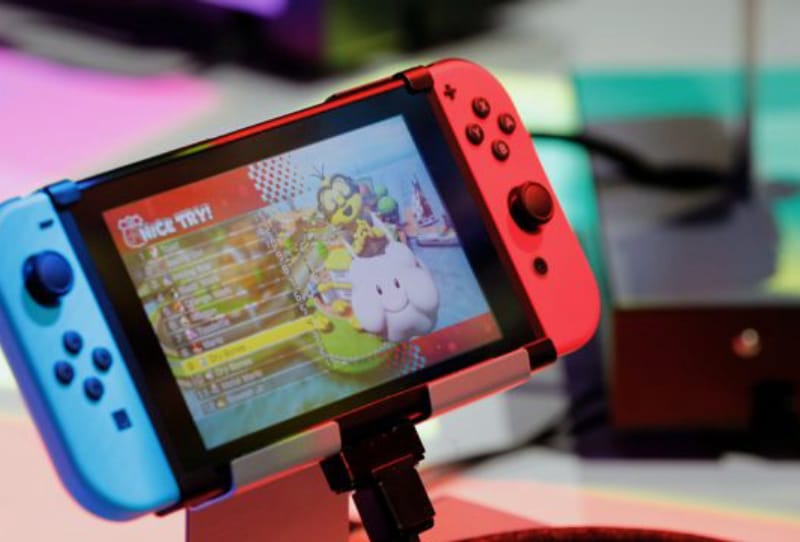
Switch 2 docked VRR has finally been switched on, more than four months after Nintendo’s console launched with the feature locked to handheld mode only. The change arrives in System Update 23.0.0, and it brings the smoother, tear-free visuals that variable refresh rate is known for to televisions and monitors connected through the dock. There is a catch, though: right now, only one game actually uses it.
Variable refresh rate lets a display’s refresh rate match the frame rate a game is producing in real time, which cuts down on screen tearing and judder. Handheld Switch 2 owners have had this since launch. Docked players, who are often gaming on larger, higher-end screens where tearing is more noticeable, have been waiting since June for Nintendo to flip the switch. That wait is now over, at least in principle.
Table of Contents
What System Update 23.0.0 Actually Changes
Nintendo’s release notes describe the change plainly: “VRR output is now supported in TV mode. When both the software and the TV support it, the video will be output at a refresh rate that matches the game’s processing speed.” That wording matters, because it confirms Switch 2 docked VRR is not a blanket system-level fix. It depends on individual games being updated to support it.
According to reporting from Digital Foundry, the feature works on what amounts to a whitelist system, meaning only titles that developers have specifically flagged as supporting docked VRR will actually trigger it. At the time of the update’s release, that list reportedly contained exactly one game: Nintendo’s own Switch 2 Welcome Tour, which received a patch enabling the feature alongside the console update itself.
That is a notably short list for a feature players have been asking about since the console’s debut. Nintendo has not detailed whether other studios, including its own internal teams, will need to go through a formal certification process to add support, or whether a developer can simply ship a patch enabling it once ready.

Why the Whitelist Approach Is a Departure
Sony’s PlayStation 5 takes a different approach entirely. It can force VRR at the system level even for games that were never built with the feature in mind, giving players a broader benefit without waiting on individual publishers. Nintendo’s implementation places the decision back in developers’ hands, game by game.
That is not necessarily a bad approach; forcing VRR system-wide can occasionally introduce its own visual quirks in games not designed for it. But it does mean the practical benefit of Switch 2 docked VRR will roll out slowly, title by title, rather than arriving all at once for the console’s existing library.
Nintendo had previously flagged this capability on its US website, describing the dock as VRR-capable before quietly removing that text last year. Confirmation that the hardware supports it, and now that the software layer does too, closes a gap between what the dock was built for and what it could actually deliver at launch.
Other Additions Bundled Into the Update
System Update 23.0.0 is not just about display technology. Nintendo has also added the ability to perform a full data transfer directly from one Switch 2 console to another, useful for anyone upgrading hardware or replacing a faulty unit without relying on cloud saves alone.

There is also a new quick toggle for Switch 2 Boost mode, saving players a trip into the System Settings menu whenever they want to switch it on or off. Nintendo has added improved accessibility options, and the Mii editor now plays background music by default, though it can be switched off for anyone who prefers the quiet. As with most Nintendo patches, the notes also mention general bug fixes and stability improvements without going into specifics.
What It Means for Switch 2 Owners
For anyone gaming on a large screen, the arrival of Switch 2 docked VRR is good news, even if the rollout is frustratingly slow to start. Players with a compatible television or gaming monitor should notice smoother motion and less tearing once more titles pick up support, particularly in fast-paced or graphically demanding games where frame rate can dip and stutter.
The bigger question is pace. If Nintendo treats VRR certification like a lengthy approval process, players could be waiting months for major first-party titles to catch up, let alone the third-party library. If it is closer to a simple patch developers can push whenever they choose, adoption could snowball quickly as studios realise it costs little to enable.
Either way, the update confirms Nintendo is still actively refining what the Switch 2 hardware can do well after launch, following on from other quality-of-life patches and game support additions like Valheim’s 1.0 launch, which added Switch 2 support. Anyone still figuring out the basics of running the console through a television can also check a guide to setting up a Switch console on a TV, since docked VRR only matters once that connection is sorted. Owners eyeing a screen upgrade to make the most of it might also look at gaming monitors built around variable refresh rate for the smoothest possible results.
Nintendo has plenty on its plate already, with announcements like the recent Nintendo’s recent Zelda 40th Anniversary Direct keeping the Switch 2 news cycle busy. Whether docked VRR becomes a widely supported standard feature or stays a rare bonus for a handful of titles will say a lot about how seriously Nintendo is prioritising display performance on its newest console. Full details of the update, along with future patch notes, are available through Nintendo’s official support page, while general specifications for the console remain listed on the official Nintendo Switch 2 product site.