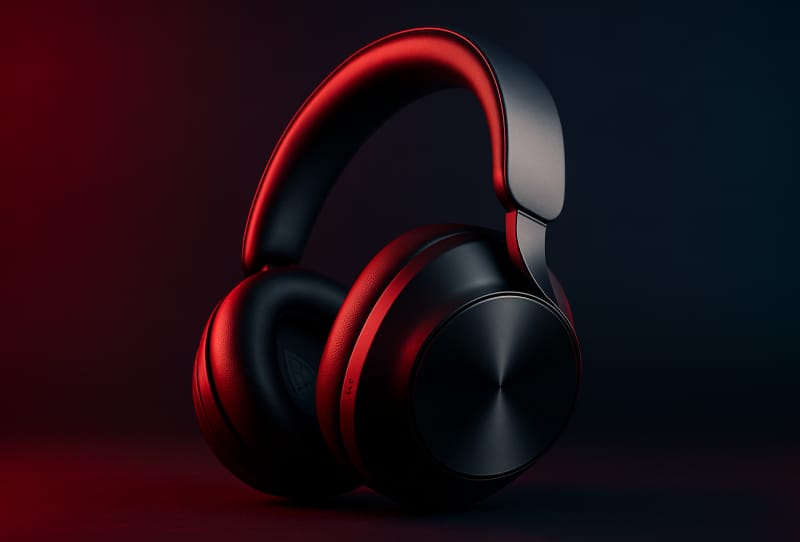
The Technics EAH-A1000 is a new over-ear wireless headphone that introduces magnetic fluid driver technology to the brand’s lineup for the first time. Technics, the audio division owned by parent company Panasonic, has built the model around a driver design that uses ferrofluid rather than air alone to manage heat inside the voice coil, a change the brand says allows the driver to run cooler and with less distortion at higher volumes.
Key takeaways
- ✓The Technics EAH-A1000 is the brand's first headphone to use a magnetic fluid driver.
- ✓Ferrofluid inside the driver helps manage heat and reduce distortion at higher volumes.
- ✓The model sits above the existing EAH-A800 as Technics' new flagship over-ear headphone.
- ✓It enters a premium wireless market already led by Sony and Bose noise-cancelling models.
It is a notable move for a brand better known for turntables and hi-fi separates than headphones, though Technics has been steadily expanding its personal audio range since reviving the label in 2014. The EAH-A1000 now sits above the existing EAH-A800 as the company’s new flagship over-ear model, aimed squarely at listeners who want premium sound quality alongside active noise cancellation and wireless convenience.
Table of Contents
Inside the Technics EAH-A1000’s magnetic fluid driver
Magnetic fluid, more commonly known as ferrofluid, is a liquid containing tiny magnetic particles that responds to a magnetic field. Speaker and headphone engineers have used it for decades in small quantities around the voice coil gap, where it helps carry heat away from the coil and keeps the diaphragm centred as it moves. Better heat management generally means the driver can be pushed harder without the sound breaking up or the components degrading over time.
What makes the EAH-A1000 different is the scale and precision of that implementation, according to Technics. By applying magnetic fluid more deliberately within the driver assembly, the company says it can reduce unwanted resonance and keep frequency response more consistent across the volume range, rather than only at moderate listening levels. That matters for a wireless headphone expected to handle everything from quiet acoustic tracks to bass-heavy electronic music without strain.
It is a genuine engineering differentiator rather than a marketing label. Ferrofluid cooling has long been common in tweeters and compact speaker drivers, but few consumer headphone makers have built a flagship model specifically around it. That gives Technics a talking point in a market where most premium headphones lean on software tuning, custom chips, or spatial audio features rather than a fundamentally different driver mechanism.
How it stacks up against the rest of the premium wireless market
The over-ear wireless space is crowded and competitive. Sony’s WH-1000X series and Bose’s flagship QuietComfort Ultra headphones have dominated the category for years on the strength of noise cancellation, app-based tuning, and multipoint connectivity. Technics will need the EAH-A1000 to match those fundamentals while using its driver technology as the point of difference, rather than relying on the novelty alone to justify a flagship position.
Other brands are also experimenting with driver design as a way to stand out. Audio-Technica’s new open-back wireless headphones take a different approach entirely, prioritising an open soundstage over isolation, while some boutique brands have pushed planar magnetic driver design into more mainstream price brackets. Against that backdrop, a mainstream brand betting on ferrofluid cooling shows how much room is left for genuine mechanical innovation in a category often associated with incremental software updates.
Listeners who do not need a flagship model still have plenty of choice. Buyers chasing solid noise cancellation without spending as much can look at more affordable noise-cancelling alternatives that cover the basics competently, even if they cannot match a purpose-built driver like Technics is promising here.
What the EAH-A1000 means for buyers and the wider audio market
For everyday listeners, the immediate benefit of a magnetic fluid driver is less audible fatigue during long sessions and more headroom before sound starts to distort at higher volumes. That is a meaningful upgrade for anyone using headphones for hours at a time, whether for music, video calls, or gaming, rather than a niche specification that only affects measurement charts.
For the industry, the launch signals that established hi-fi brands still see headphones as a place to differentiate on hardware rather than just features. Technics has spent years building credibility in turntables and home audio, and applying that same engineering focus to a wireless headphone gives it a distinct pitch against competitors who have already saturated the market with noise-cancellation modes and app ecosystems.
Whether the approach pays off will depend on how the EAH-A1000 performs in real listening conditions once reviewers get hold of it, and how it compares directly against the noise cancellation, comfort, and battery life of established rivals. The technology itself is sound in principle, but a flagship headphone lives or dies on the full package, not a single component.
Frequently asked questions
What is a magnetic fluid driver?
A magnetic fluid driver uses ferrofluid, a liquid infused with magnetic particles, around the voice coil to help dissipate heat and keep the diaphragm stable as it moves. This can reduce distortion and allow the driver to handle higher volumes more cleanly.
Is this Technics’ first headphone with this technology?
Yes. The EAH-A1000 marks the first time Technics has built a headphone around a magnetic fluid driver, positioning it as the brand’s new flagship over-ear model above the existing EAH-A800.
How does the EAH-A1000 compare to Sony and Bose flagships?
It competes directly with established noise-cancelling flagships from Sony and Bose. Technics is using its driver technology as the main differentiator, but matching those rivals on noise cancellation, comfort, and battery life will be just as important to its success.
Does magnetic fluid technology affect sound quality noticeably?
In principle, yes. Better heat management around the voice coil can reduce distortion at higher volumes and improve consistency across the frequency range, though real-world listening tests will confirm how noticeable the difference is compared to conventional dynamic drivers.