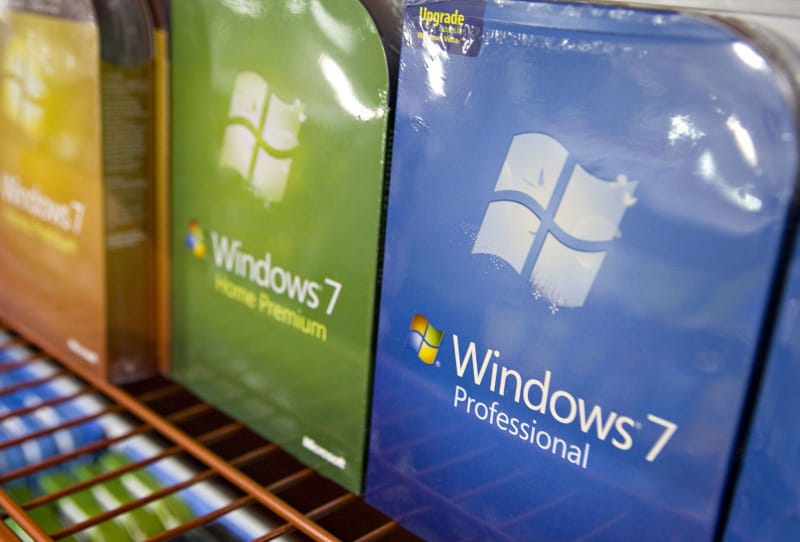
Windows 7 DirectX 12 support has arrived nearly two decades after the operating system launched, thanks to an unofficial community project that also brings Vulkan 1.4 compatibility along with it. The upshot is that current-generation graphics cards, including Nvidia’s RTX 50 series, AMD’s RX 9000 series and Intel’s Arc lineup, can now be made to work on an operating system Microsoft stopped supporting years ago.
Key takeaways
- ✓A community project adds unofficial Windows 7 DirectX 12 support nearly two decades after the OS launched.
- ✓The same project brings Vulkan 1.4 compatibility, Windows 7 only ever shipped with Vulkan 1.0 support officially.
- ✓Modern Nvidia RTX 50, AMD RX 9000 and Intel Arc GPUs can reportedly run on Windows 7 as a result.
- ✓Microsoft ended Windows 7 support years ago and never built DirectX 12 into the operating system natively.
- ✓The work is unofficial and unsupported, so compatibility and stability are not guaranteed across every title or driver.
None of this is official. Microsoft never built DirectX 12 into Windows 7, and it has no plans to start now. What has changed is that a group of enthusiasts has built a compatibility layer that translates modern graphics calls into something the ageing OS can actually process, effectively dragging Windows 7’s graphics stack into the present without Microsoft’s involvement.
Table of Contents
How Windows 7 DirectX 12 support actually works
Windows 7 shipped in 2009 with DirectX 11 as its newest supported API, and that remained the ceiling for its entire official life. DirectX 12 arrived alongside Windows 10 in 2015 and was deliberately built around architectural changes Microsoft tied to its newer kernel, which is why the company never backported it. The community project sidesteps that restriction by translating DirectX 12 and Vulkan 1.4 calls into instructions the older system and its driver stack can handle, rather than waiting on Microsoft to do the work.
That translation approach is similar in spirit to other compatibility projects that have popped up around ageing or alternative platforms, where developers build a bridge layer instead of asking a vendor to officially support hardware or software it has already moved on from. It is a slower, less polished path than native support, but it is often the only way forward once a company has stopped maintaining an older release.
Vulkan support is arguably the more surprising addition. Windows 7 only ever received official support up to Vulkan 1.0, so jumping to Vulkan 1.4 closes a gap of several years in one move. Vulkan has become the backbone of a lot of modern GPU driver work, including translation layers used elsewhere in the industry, so bringing it current on Windows 7 opens the door to a wider range of modern engines and tools than DirectX 12 support alone would.
Why Windows 7 never got DirectX 12 natively
Microsoft’s decision not to bring DirectX 12 to Windows 7 was never really about capability, it was about product strategy. DirectX 12 was pitched as one of the headline reasons to upgrade to Windows 10, and Microsoft’s internal architecture changes for the newer OS made backporting the API officially unattractive even though some of the underlying hardware support existed.
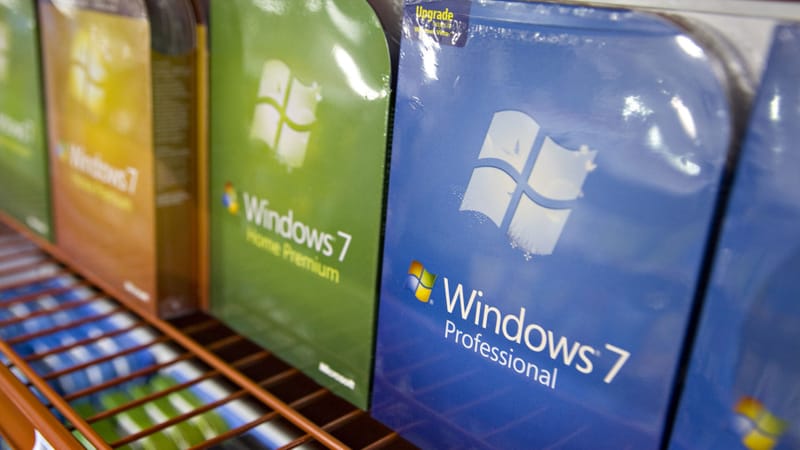
Windows 7 itself reached the end of its extended support window back in January 2020, meaning no more security patches, driver certification, or official vendor cooperation. Graphics card makers largely stopped validating new launches against it from around that point, which is part of why getting a modern RTX 50 or RX 9000 card running smoothly on the OS has required unofficial work rather than an out-of-the-box driver from Nvidia or AMD.
| Capability | Windows 7 (official) | Windows 7 (with the unofficial project) |
|---|---|---|
| Highest DirectX version | DirectX 11 | DirectX 12 |
| Highest Vulkan version | Vulkan 1.0 | Vulkan 1.4 |
| Modern GPU support | Limited, no official drivers | Reported compatibility with current Nvidia, AMD and Intel cards |
| Vendor support | Ended January 2020 | Community maintained, unofficial |
Compatibility, limitations and modern GPU support
Getting a modern graphics card to recognise an API call is only part of the puzzle. Driver certification, firmware behaviour and game-specific optimisations are all typically tuned against currently supported operating systems, so running an RTX 50, RX 9000 or Arc card on Windows 7 through this project will not necessarily match the performance or stability of the same hardware on Windows 10 or 11.
Enthusiasts testing this kind of setup should expect rough edges. Some titles that lean heavily on newer DirectX 12 or Vulkan features may behave inconsistently, and troubleshooting falls entirely on the community rather than an official support channel from Microsoft, Nvidia, AMD or Intel. That trade-off is familiar to anyone who has used unofficial compatibility layers before: broader hardware reach in exchange for giving up guaranteed support.
Security is the other factor worth weighing. Windows 7 no longer receives patches for newly discovered vulnerabilities, so running it as a daily system, even with modern graphics capability bolted on, carries risks that a supported operating system does not. This kind of project tends to appeal most to retro computing enthusiasts, benchmark testers and hobbyists rather than anyone looking for a practical daily driver.
What this means for enthusiasts and legacy PC builders
For the retro and preservation-minded corner of the PC community, this is a genuinely useful development. It means older builds, or machines deliberately kept on Windows 7 for compatibility with specific legacy software, do not have to be entirely cut off from newer graphics hardware or newer game engines that assume DirectX 12 or current Vulkan support.
It also fits a broader pattern of grassroots projects filling gaps vendors have no commercial reason to fill themselves. Similar community efforts have extended the life of other ageing platforms, and similar community-driven compatibility work on Linux shows the same pattern of enthusiasts closing gaps that official vendors have stepped away from. Meanwhile, Microsoft continues investing its own resources elsewhere, including Microsoft’s own overhaul of DirectX raytracing for currently supported systems, a reminder of how far the gap between Windows 7 and Microsoft’s present-day roadmap has grown.
GPU vendors are not entirely absent from this kind of cross-compatibility push either. Intel’s own push to bring Vulkan-based upscaling to more platforms shows that modern API support is increasingly being extended to non-standard setups by vendors themselves, even if Windows 7 specifically remains outside their official scope. For most users, the practical answer is still to use Microsoft’s newer Windows 11 features and officially supported hardware. But for the dedicated subset of users keeping Windows 7 alive, unofficial Windows 7 DirectX 12 support is a meaningful lifeline.
Frequently asked questions
Does Windows 7 officially support DirectX 12?
No. Microsoft never added native DirectX 12 support to Windows 7, and the operating system’s official graphics ceiling remains DirectX 11. The new DirectX 12 capability comes entirely from an unofficial community project, not from Microsoft.
Can modern graphics cards like the RTX 50 or RX 9000 run on Windows 7?
Reports suggest they can, with the unofficial compatibility project in place, though without the official driver support, certification and optimisation that these cards receive on currently supported operating systems like Windows 10 or Windows 11.
Is it safe to use Windows 7 as a main operating system in 2026?
Not really. Windows 7 stopped receiving security patches after its extended support ended in January 2020, so it carries ongoing security risks regardless of any added graphics capability. It is better suited to dedicated retro or hobbyist builds than everyday use.
What is Vulkan 1.4 and why does it matter here?
Vulkan is a graphics and compute API similar in purpose to DirectX, widely used across games and creative software. Windows 7 officially only supported Vulkan 1.0, so adding Vulkan 1.4 compatibility brings several years of feature improvements to the old OS in one step.