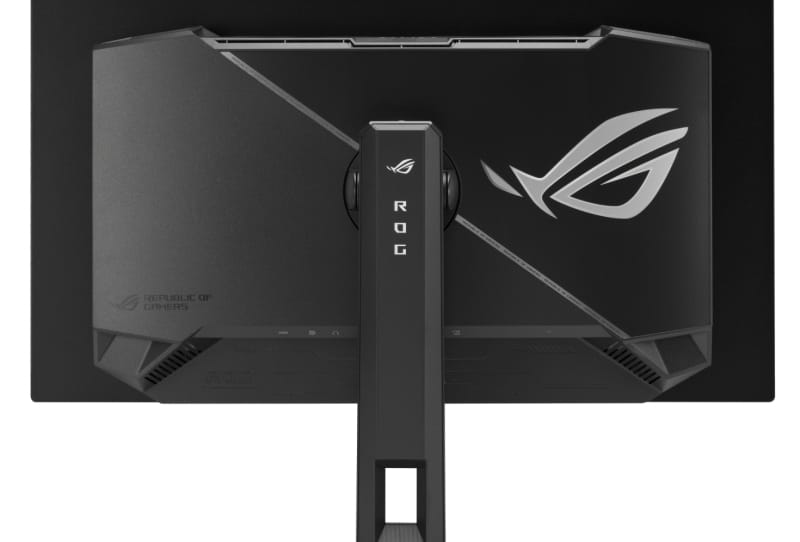
The ROG Strix OLED XG27ACDMSR is ASUS’s latest attempt to sharpen its 27-inch QD-OLED gaming monitor, and it does so by combining a brighter panel with a serious jump in refresh rate. It replaces last year’s XG27ACDMS with a 4th generation Tandem QD-OLED panel capable of running at up to 320Hz, making it one of the fastest QHD OLED screens ASUS has put its name to.
The update was first spotted by Display Specifications, and it lands at a moment when panel makers are racing to push OLED brightness and refresh rates without sacrificing the contrast and colour accuracy that made the technology popular with gamers in the first place. This revision suggests ASUS is confident it can deliver both.
Table of Contents
What changes with the 4th-gen QD-OLED panel
The headline improvement is brightness. The new panel hits 300 nits for SDR content and can peak at 1300 nits in HDR, enough to earn VESA DisplayHDR 500 True Black certification. That is a meaningful step up for a panel type that has historically struggled to match the peak brightness of premium LCD alternatives, even while beating them comfortably on black levels and contrast.
ASUS has also added its BlackShield Film anti-reflection coating, aimed at cutting glare in bright rooms, a common complaint with glossy OLED panels. Contrast remains rated at an enormous 1,500,000:1, response time sits at 0.03ms grey-to-grey, and colour accuracy is quoted at ΔE≤2, all figures familiar to anyone who has followed OLED monitors over the past couple of years.
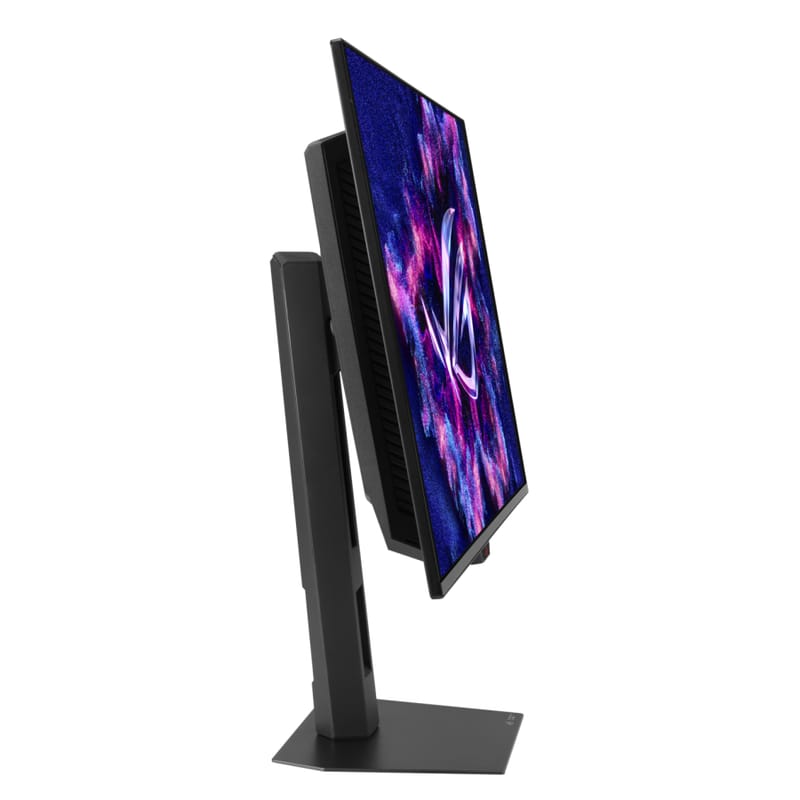
Reaching the full 320Hz refresh rate at QHD resolution requires Display Stream Compression over the DisplayPort input, which is how ASUS squeezes that much bandwidth through a single cable. Adaptive sync is covered from every angle, with AMD FreeSync Premium Pro, Nvidia G-Sync compatibility and VESA AdaptiveSync Display 320Hz certification all present, alongside ASUS’s own Extreme Low Motion Blur implementation for reducing perceived blur during fast motion.
Key specifications
| Specification | ROG Strix OLED XG27ACDMSR |
|---|---|
| Panel type | 4th-gen Tandem QD-OLED |
| Resolution | QHD (2560 x 1440) |
| Refresh rate | Up to 320Hz (with DSC) |
| Brightness | 300 nits SDR, up to 1300 nits peak HDR |
| HDR certification | VESA DisplayHDR 500 True Black |
| Contrast ratio | 1,500,000:1 |
| Response time | 0.03ms GTG |
| Colour accuracy | ΔE≤2 |
| Connectivity | DisplayPort 1.4, HDMI 2.1, USB-C with DP Alt Mode and 15W power delivery, 3.5mm audio jack |
| Stand adjustment | 110mm height, tilt, pivot, VESA mount compatible |
How it stacks up against the outgoing model and rivals
Compared with the original XG27ACDMS, the biggest practical gains are brightness and refresh rate. The older model topped out well short of 320Hz, and its panel generation didn’t deliver the same peak HDR figures. For competitive players chasing every bit of motion clarity, that refresh rate bump is the kind of upgrade that actually shows up in fast-paced titles, particularly shooters and racing games where high frame rates translate directly into smoother tracking and reduced input lag perception.
ASUS isn’t alone in pushing OLED monitors harder this year. Rivals have been just as aggressive, and Alienware’s own 5K and 560Hz OLED monitor lineup shows how quickly the ceiling for refresh rates and resolution is rising across the market. ASUS’s own stable has been busy too, with ASUS unveiling a 720Hz OLED screen alongside new mice at Gamescom 2026, and the earlier launch of ASUS’s 720Hz PG259QWS Ace esports monitor aimed squarely at professional players. The XG27ACDMSR sits a notch below those extreme esports panels, but its 320Hz refresh rate and QHD resolution make it a more balanced option for gamers who also want sharper detail for single-player titles and general desktop use.

Software support rounds out the package through ASUS’s DisplayWidget Center, bundling GamePlus overlays, GameVisual colour presets, Shadow Boost, AI Visual enhancement, Dynamic Crosshair and Dynamic Shadow Boost. None of these are new to the ROG Strix line, but they remain useful additions for players who like tuning their display without digging through firmware menus.
What it means for buyers
For anyone shopping the 27-inch QHD OLED category, the ROG Strix OLED XG27ACDMSR looks like a sensible evolution rather than a reinvention. The brighter panel addresses one of the more common criticisms levelled at earlier QD-OLED monitors, namely that they could look washed out in daylight or brightly lit rooms, while the anti-reflection coating should help in the same scenario.The jump to 320Hz will matter most to players in competitive genres who already own hardware capable of pushing frame rates that high. For everyone else, the more meaningful improvements may be the brightness gains and the broader HDR certification, which affect everyday viewing far more than a refresh rate most people won’t notice past 240Hz. Connectivity is comprehensive too, with USB-C power delivery meaning a single cable can handle both video and charging for a compatible laptop.
ASUS has not detailed availability windows or regional pricing for the XG27ACDMSR, and nothing here should be read as a confirmed release date. As with any panel refresh, how it lands with buyers will depend heavily on where it sits against the outgoing model once retailers list it, and how it compares against the fresh wave of high-refresh OLED monitors arriving from every major manufacturer this year.