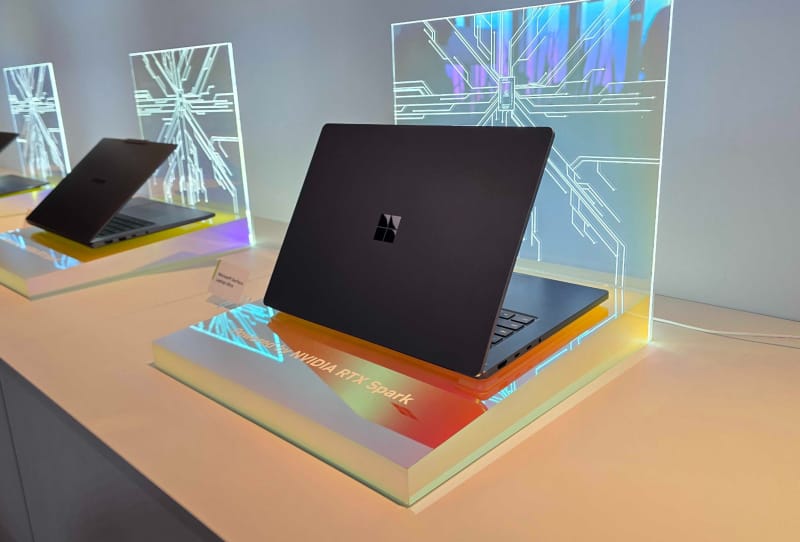
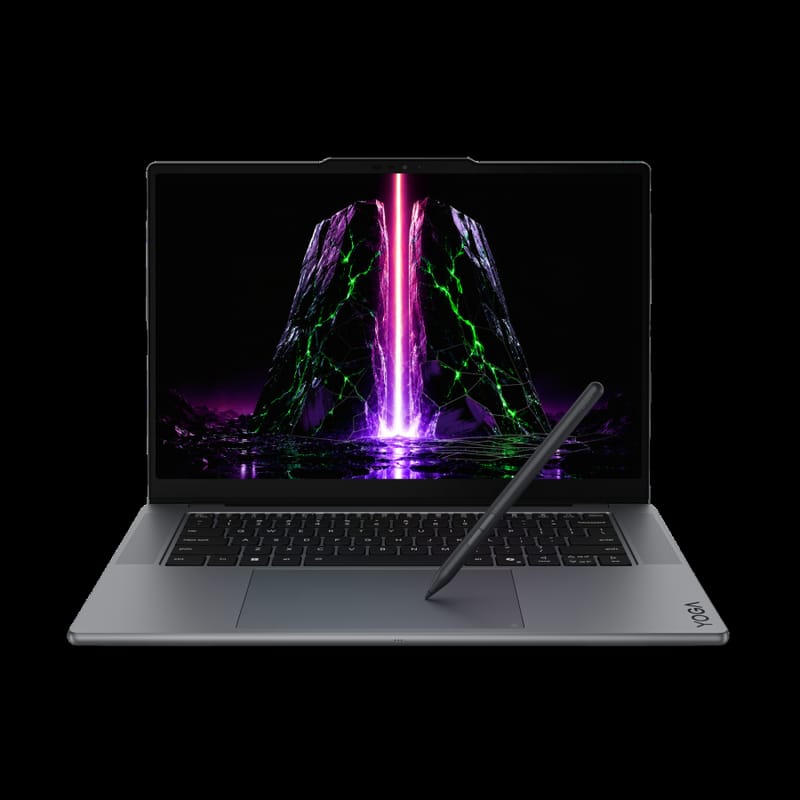
MSI has confirmed its own MSI RTX Spark laptop, a 16-inch convertible called the Prestige N16 Flip AI+ that can be configured with up to 128GB of RAM. The announcement makes MSI the second major laptop brand, after Microsoft, to build a machine around Nvidia’s new RTX Spark chip platform.
Key takeaways
- ✓MSI's Prestige N16 Flip AI+ is a 16-inch convertible built around Nvidia's RTX Spark chip platform
- ✓The laptop can be configured with up to 128GB of unified memory for local AI workloads
- ✓It follows Microsoft's own RTX Spark laptop, making MSI the second major brand to use the chip
- ✓The 2-in-1 hinge lets the screen fold flat for tablet-style use alongside standard laptop mode
- ✓RTX Spark targets developers and creators who want to run large AI models without cloud access
The Prestige N16 Flip AI+ folds between laptop and tablet modes, a format MSI usually reserves for its creator-focused Prestige line rather than its gaming-heavy Raider or Titan models. Pairing that flexible hinge with a chip designed for heavy AI workloads is an unusual combination, and it signals where Nvidia wants RTX Spark to land: not in gaming rigs, but in machines meant for professionals who need serious local compute on the move.
Table of Contents
What the MSI RTX Spark laptop actually offers
The headline spec is memory. MSI says the Prestige N16 Flip AI+ can be configured with as much as 128GB of RAM, a figure that would be excessive for most everyday laptop use but makes sense for running large AI models locally. Nvidia’s RTX Spark chip was designed to merge work and gaming laptops, giving a single machine enough unified memory bandwidth to handle inference workloads that would normally need a desktop workstation or a cloud subscription.
MSI has not detailed every specification of the convertible, including exact display resolution, battery capacity, or port selection, so those details remain unconfirmed for now. What is clear is the form factor: a 16-inch 2-in-1 chassis that folds flat, aimed squarely at people who want desktop-class AI performance without giving up portability or touchscreen flexibility.
Why Nvidia’s RTX Spark platform matters here
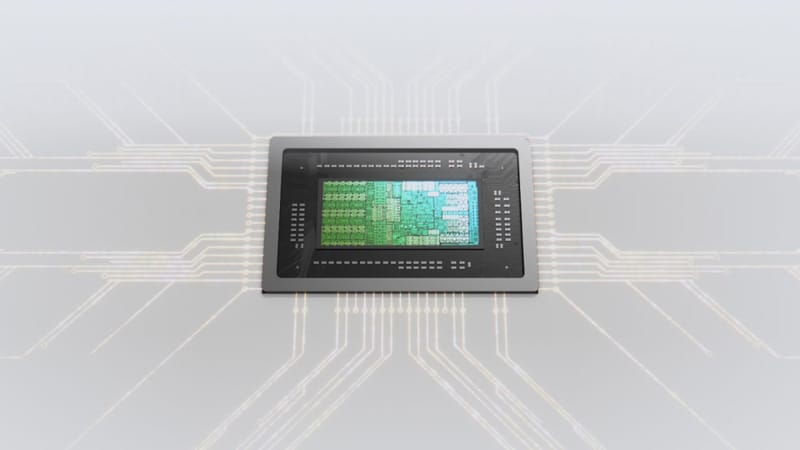
RTX Spark is Nvidia’s answer to the growing demand for on-device AI processing. Rather than relying entirely on cloud servers to run large language models or generative tools, machines built on the platform are meant to handle that work locally, which matters for privacy, latency, and ongoing running costs. Nvidia has already lined up game support ahead of these launches, suggesting the chip is not purely a productivity tool but one that still needs to handle graphics-heavy workloads credibly.
That dual purpose is part of why MSI’s approach is notable. A convertible with a 16-inch screen is not a typical shape for a gaming laptop, yet Nvidia’s platform is being pitched as capable enough to straddle both creative or AI work and reasonably demanding games. Whether that balance holds up in daily use will depend heavily on cooling and power delivery inside a chassis that still needs to fold flat.
MSI versus Microsoft: two takes on the same chip
Microsoft’s own RTX Spark builder PCs arrived first, framed around agentic AI workflows rather than a specific laptop form factor. MSI’s Prestige N16 Flip AI+ takes a different route, putting the same underlying chip into a mainstream 16-inch convertible that looks and behaves like a conventional premium laptop until it folds flat.
Other manufacturers are already following the same path. Acer’s compact RTX Spark desktop takes the platform into a small-form-factor desktop instead, which suggests Nvidia is encouraging partners to build a range of RTX Spark machines rather than locking the chip into one fixed shape. That spread of designs, from desktops to convertibles, points to RTX Spark being treated as a platform brand in its own right, similar to how Intel or AMD chips appear across wildly different laptop designs from different vendors.
What it means for buyers considering an AI-focused laptop
For anyone weighing up a laptop built around heavy local AI use, the arrival of a second RTX Spark machine is a reassuring sign that the platform has genuine industry backing rather than being a one-off Microsoft experiment. Competition between MSI and Microsoft should also help clarify, over the coming months, which design choices actually matter for this kind of workload: more memory, better cooling, or simply a more conventional laptop shape without the convertible hinge.
Buyers should treat configuration options carefully. A 128GB RAM ceiling sounds impressive, but most people will not need anywhere near that much memory unless they are specifically running large local AI models. For typical productivity or creative work, a lower-memory configuration of the same chassis is likely to be the more sensible and practical choice once MSI releases full regional availability and configuration details.
Frequently asked questions
What is Nvidia’s RTX Spark chip for?
RTX Spark is Nvidia’s platform aimed at running AI workloads, such as large language models, directly on a laptop or desktop rather than relying solely on cloud processing, while still supporting general computing and gaming tasks.
Is the MSI Prestige N16 Flip AI+ a gaming laptop?
Not primarily. Its 16-inch convertible design and Prestige branding place it closer to MSI’s creator and productivity lineup, though the RTX Spark chip is also built to handle demanding graphics workloads.
How much RAM does the MSI RTX Spark laptop support?
MSI has confirmed configurations up to 128GB of RAM, intended for users running memory-intensive local AI models rather than typical everyday computing tasks.
Is MSI the only brand making an RTX Spark laptop besides Microsoft?
No. Other manufacturers, including Acer with a compact desktop design, are also building machines around the RTX Spark platform, indicating Nvidia is positioning it as a broader industry standard rather than an exclusive partnership.