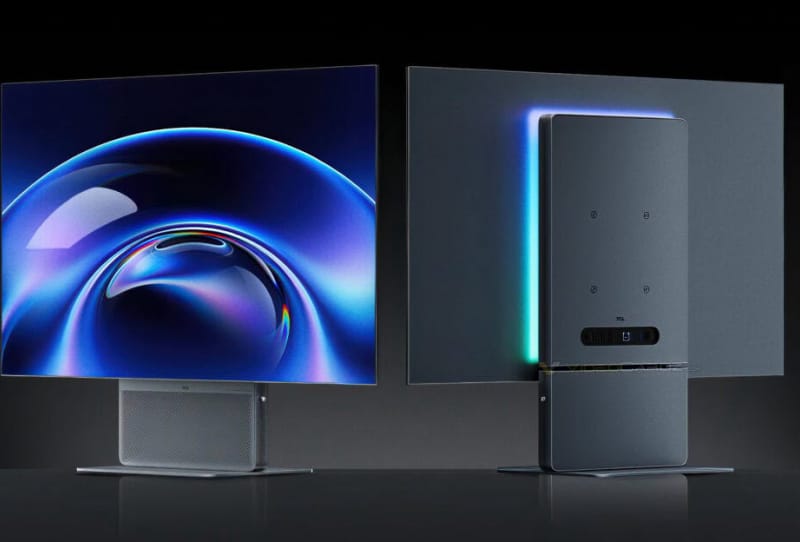
TCL’s display arm, TCL CSOT, is developing 700Hz OLED monitor panels aimed at mass production around 2028, according to a new industry report from analyst firm Omdia. The panels will reportedly scale up to 32-inch and 34-inch sizes, a notable jump from the compact 24.5-inch screens that currently dominate the fastest OLED gaming monitors on the market.
Key takeaways
- ✓TCL CSOT is developing 700Hz OLED monitor panels for mass production around 2028.
- ✓The panels will reportedly come in larger 32-inch and 34-inch sizes, not just compact esports formats.
- ✓Production will use TCL's Gen 8.6 inkjet-printed OLED line in Guangzhou, which starts up in 2028.
- ✓LG Display already ships a 720Hz OLED panel, so TCL's figure is fast but not an industry record.
- ✓Omdia expects OLED monitor panel shipments to grow 79 percent in 2026 to 6.1 million units.
That timeline places the 700Hz OLED monitor panels several years out, but the detail that stands out is size. Most ultra-high refresh OLED panels today are squeezed into small esports-focused screens. Getting that kind of speed onto a 32-inch or 34-inch panel, the format gamers actually tend to buy for immersive play, is a much harder engineering problem than it sounds.
Table of Contents
What TCL is building and why it matters
According to the Omdia report, TCL’s 700Hz OLED monitor panels will come from a Gen 8.6 inkjet-printed OLED production line under construction in Guangzhou, China. That facility is expected to begin production in 2028, which lines up with when the faster panels would theoretically reach monitor makers. No resolution figures have been disclosed yet, and it remains unclear whether 700Hz is a native refresh rate or a dual-mode trick achieved by dropping resolution, a technique several rival panels already use.
Inkjet printing matters here because it is a fundamentally different manufacturing approach to the vapour deposition process Samsung Display and LG Display currently rely on for OLED panels. Inkjet printing deposits organic material directly onto the substrate rather than through a mask, which wastes less material and can lower production costs over time. If TCL pulls off mass production at Gen 8.6 scale, it would be among the first manufacturers to do so for monitor-sized panels.
TCL isn’t starting at the top end straight away. Its existing Gen 5.5 production line is set to ship 27-inch UHD panels running at 120Hz in the third quarter of 2026, destined for an MSI content-creation monitor. That earlier, more modest product gives TCL a testing ground before attempting the much more ambitious 700Hz OLED monitor panels planned for its newer plant.
700Hz sounds extreme, but it isn’t unprecedented
LG Display already manufactures a 720Hz OLED panel at 24.5 inches and 1080p resolution, which powers the ASRock’s own 720Hz OLED monitors as well as the ASUS ROG Swift OLED PG259QWS Ace. Another ASUS model, the ROG Swift PG27AQWP-W, reaches 720Hz through a dual-mode setup that trades resolution for speed. Against that backdrop, TCL’s 700Hz figure is fast company rather than a genuine industry first.
What would be new is delivering that speed on a far larger panel using a different manufacturing process entirely. The current crop of 700Hz-class OLED monitors are small, niche products built for competitive shooters where every millisecond counts. A 32-inch or 34-inch panel running at similar speeds would open high refresh OLED up to players who want a bigger screen without giving up responsiveness, and to creators who want size and speed in one package.
Recent launches show how quickly the broader category is already moving. Alienware’s 560Hz OLED gaming monitors and a wave of panels shown off when ASUS unveiled a 720Hz OLED screen of its own at Gamescom 2026 suggest refresh rates are climbing across the board, not just in TCL’s labs. TCL entering that race with a third major supplier, alongside Samsung Display and LG Display, should add competitive pressure on pricing and specs alike.
A fast-growing market with falling prices
Omdia’s broader numbers give useful context for why panel makers are racing to add capacity. The firm expects OLED monitor panel shipments to hit 6.1 million units in 2026, a 79 percent jump over the previous year, with that figure climbing further to 7.5 million in 2027. ASUS currently leads purchases in the category, based on Omdia’s tracking.
Prices have also been dropping fast. According to the report, 27-inch 240Hz OLED monitors fell more than 40 percent in price over the course of the year. A third major panel supplier entering the market, thanks to progress on Gigabyte’s five-layer OLED panel technology and similar advances elsewhere, typically pushes that trend further, though 2028 remains a long way off and plenty could change before TCL’s plant comes online.
For now, the 700Hz OLED monitor panels are a signal of direction rather than a product anyone can buy. TCL still needs to get its Gen 8.6 inkjet-printed line running, validate yields at that larger panel size, and find monitor brands willing to build around the technology. If the 2028 timeline holds, buyers could eventually get the kind of speed currently reserved for small esports displays on a screen large enough for everyday desktop use.
Frequently asked questions
When will TCL’s 700Hz OLED monitors be available?
TCL’s Gen 8.6 inkjet-printed OLED production line is expected to begin operating in 2028, which is when panels capable of 700Hz are likely to start reaching monitor manufacturers. No specific monitor models or release dates have been announced yet.
Is 700Hz a new record for OLED monitors?
No. LG Display already produces a 720Hz OLED panel used in monitors like the ASUS ROG Swift OLED PG259QWS Ace. TCL’s contribution would be bringing similar speed to much larger 32-inch and 34-inch panels rather than setting an outright refresh rate record.
What is inkjet-printed OLED and why does it matter?
Inkjet-printed OLED deposits organic material directly onto a panel substrate rather than using the vapour deposition masks that Samsung Display and LG Display currently rely on. The process can reduce material waste and potentially lower manufacturing costs at scale.
Will 700Hz OLED monitors be affordable when they launch?
Pricing hasn’t been discussed for TCL’s 2028 panels specifically, but the broader OLED monitor market has seen steep price drops already, with 27-inch 240Hz models falling more than 40 percent in a year. A third major supplier entering the market could help continue that trend.