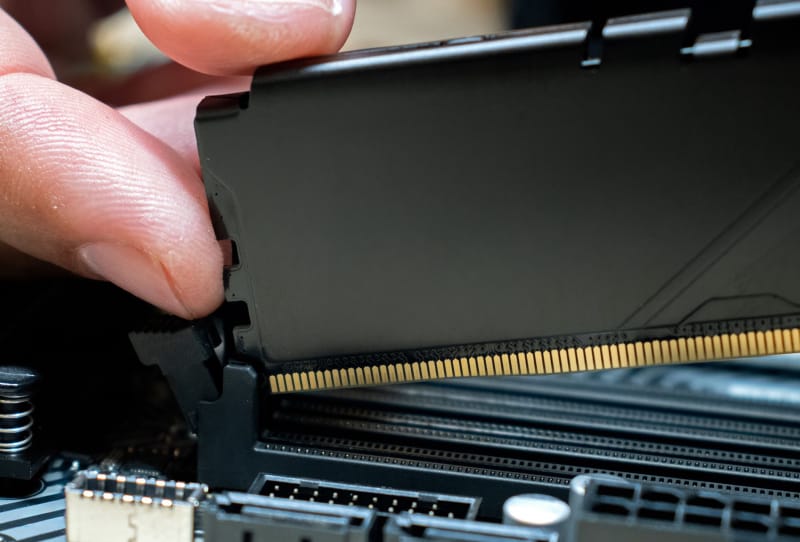
RAM prices 2027 could finally start levelling off, according to Taiwan-based market research firm TrendForce, which now expects memory costs to stabilise that year and begin falling again in 2028. That timeline lands considerably earlier than the outlook some memory manufacturers have been giving customers and investors, offering a glimmer of hope to gamers, PC builders, and anyone who has watched DRAM prices climb through 2025.
Key takeaways
- ✓TrendForce forecasts RAM prices 2027 will stabilise before falling again in 2028
- ✓That timeline is years earlier than some memory makers have publicly suggested
- ✓AI data centre demand for HBM and server DRAM is the main driver of the shortage
- ✓Consumer DDR5 and laptop memory have both climbed sharply in price through 2025
- ✓PC builders and gamers may still face elevated prices through most of 2026
The forecast matters because the current memory squeeze has been brutal. DDR5 modules, GPU memory, and even laptop RAM have all become noticeably more expensive over the past year, and several manufacturers have warned that tight supply could persist well into the end of the decade. TrendForce’s analysts are telling a different story, one where relief arrives sooner than the industry’s own messaging has suggested.
Table of Contents
What TrendForce is actually predicting for RAM prices 2027
TrendForce’s research points to a two-stage recovery. First, prices stop climbing and plateau during 2027 as supply gradually catches up with demand. Then, in 2028, prices actually begin to drop as additional manufacturing capacity comes fully online and the most acute shortages ease. For anyone who has delayed a PC build or a RAM upgrade hoping for better pricing, that’s a meaningfully different picture than waiting until 2030, which is the kind of timeline some manufacturers have floated publicly.
It’s worth being clear about what this forecast is and isn’t. TrendForce is a third-party analyst firm, not a chip maker, so its numbers are informed estimates based on supply chain data, factory output, and demand modelling rather than confirmed commitments from Samsung, SK hynix, or Micron. Still, TrendForce has a long track record of tracking memory and display markets closely, and its reports are widely cited across the semiconductor industry as a reliable gauge of where pricing is headed.
Why memory got so expensive in the first place
The root cause of the shortage isn’t really about gaming PCs at all. It’s about artificial intelligence. Data centre operators building out AI infrastructure need enormous volumes of high-bandwidth memory and server-grade DRAM, and that demand has pulled manufacturing capacity away from the consumer market. Companies building out AI servers, including systems like workstations packing hundreds of gigabytes of RAM for local AI, are competing for the same fabrication lines that once produced standard desktop and laptop memory in bulk.
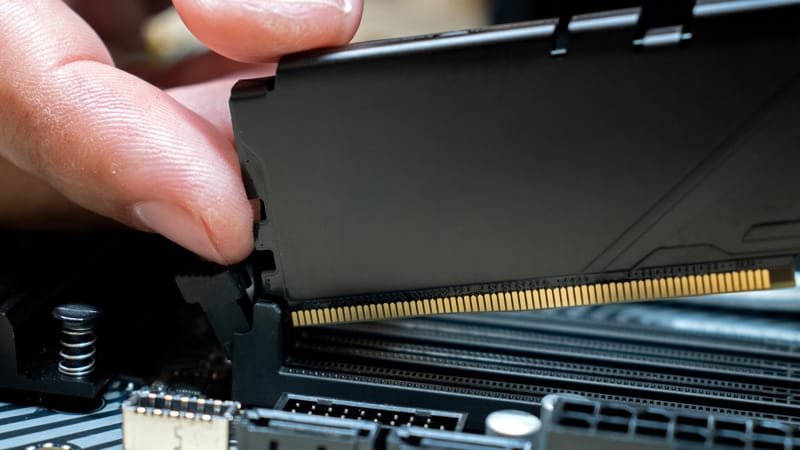
That squeeze has flowed straight through to everyday buyers. DDR5 kits that were affordable a year ago now carry noticeably higher price tags, and system builders have had to adjust configurations accordingly. Even outside the DRAM module itself, the broader memory ecosystem has felt the strain, with GPU memory also tightening as the industry looks at efforts to stretch GPU memory to petabyte scale for AI workloads.
What the earlier timeline means for PC builders
If TrendForce’s forecast holds, the practical impact for Australian buyers is a shorter stretch of pain before relief. Builders planning a new rig or a memory upgrade in 2026 should probably expect current pricing, or something close to it, to persist through most of that year. The real shift, on this forecast, happens from 2027 onward, with the most noticeable price drops arriving in 2028.
That has flow-on effects beyond desktop PCs. Laptop manufacturers have already been adjusting specifications in response to memory costs, and buyers have seen this play out in products such as gaming laptops shipping with 32GB of RAM as a new baseline configuration rather than an upgrade option. As memory supply loosens, manufacturers may have more flexibility to offer generous RAM and storage configurations without passing steep costs onto consumers.
| Period | Expected RAM price trend | Driver |
|---|---|---|
| 2025 to 2026 | Prices remain elevated or keep climbing | AI data centre demand outpacing supply |
| 2027 | Prices stabilise | New manufacturing capacity comes online |
| 2028 | Prices begin to fall | Supply catches up fully with demand |
How this compares with what memory makers have said
The gap between TrendForce’s outlook and the more cautious guidance from some memory manufacturers is the real story here. Chip makers managing capacity decisions and long-term supply contracts have strong incentives to signal tighter supply for longer, since that supports higher prices and justifies capital investment in new fabrication capacity. A third-party analyst like TrendForce has less reason to talk up scarcity, which gives its 2027 to 2028 timeline a bit more credibility as a genuinely independent read of the market.
None of this is locked in. Memory pricing has proven difficult to predict precisely because it depends on how aggressively AI infrastructure spending continues, how quickly new fabs ramp up, and whether unexpected supply disruptions occur. Still, having a credible, independent forecast pointing to relief within roughly two years, rather than five, is meaningful news for anyone tracking the market before their next PC build.
Frequently asked questions
When will RAM prices actually come down?
TrendForce expects RAM prices 2027 to stabilise first, with actual price drops following in 2028 as new manufacturing capacity comes online and supply catches up with demand.
Why are RAM prices so high right now?
The main driver is AI infrastructure demand. Data centres building out AI servers require huge volumes of high-bandwidth memory and server DRAM, pulling manufacturing capacity away from consumer memory production.
Should buyers wait until 2027 to build a PC?
That depends on individual needs, but anyone who can delay a RAM-heavy build until 2027 or 2028 may benefit from more stable or lower pricing, based on TrendForce’s current forecast.
Is TrendForce’s forecast more reliable than what RAM makers say?
TrendForce is an independent market research firm without a direct financial incentive to talk up scarcity, which gives its forecast a different kind of credibility compared with guidance from manufacturers managing their own supply and pricing.