Finding an AV receiver that can juggle sound, vision and streaming without turning setup into a weekend-long project is a common challenge for Australian households building a home cinema, and the Denon AVR-X2900H is built to make that job easier. This 7.2-channel receiver pairs Dolby Atmos and DTS:X decoding with 95 watts of amplification per channel, 4K/8K-ready HDMI switching and Denon’s HEOS multiroom streaming platform, giving it a broad feature set for a mid-range unit.
Review summary
Denon AVR-X2900H
The Denon AVR-X2900H is a 7.2-channel mid-range receiver that combines Dolby Atmos and DTS:X decoding with straightforward setup and flexible speaker configuration, making it well-suited for Australian homes building a home theatre system. It delivers 95 watts per channel with solid build quality, intuitive on-screen guidance and practical features like HDMI hub centralisation and HEOS multiroom streaming. The receiver scales effectively from compact apartments to larger dedicated theatre rooms without demanding complex configuration.
Highlights
- ✓7.2-channel amplifier with Dolby Atmos and DTS:X support
- ✓Simple setup wizard and Audyssey room calibration included
- ✓4K/8K HDMI switching with HEOS multiroom streaming
- ✓Flexible speaker configuration up to 5.2.2 Atmos layout
- ✓Clean cable management via single HDMI output hub
It’s aimed at the kind of buyer who wants more than a soundbar but doesn’t necessarily want to wade through a dense menu of settings to get there. Whether it’s slotted into a dedicated media room or a more modest apartment lounge, the AVR-X2900H is designed to scale to the space without demanding a complicated setup process.
This review walks through how the receiver is built, what it offers on paper, and how it behaves once speakers are connected, sources are plugged in and the first movie night actually begins. The goal is to give a clear picture of where this receiver fits for anyone shopping for a flexible, Atmos-capable home theatre hub in Australia.
Table of Contents
Design and Functionality
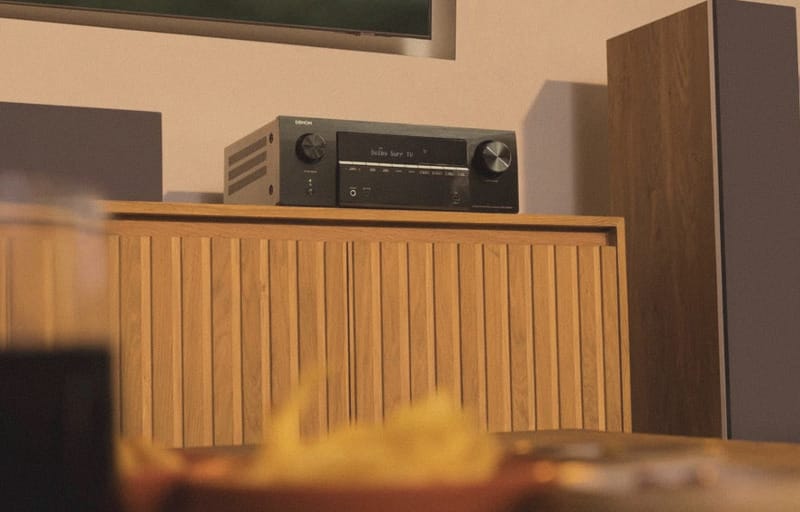
The AVR-X2900H sticks to Denon’s familiar black chassis, a sensible choice for a component that’s meant to blend into an entertainment unit rather than draw attention to itself. The finish feels purposeful rather than flashy, which suits a device that will likely sit below a television for years.
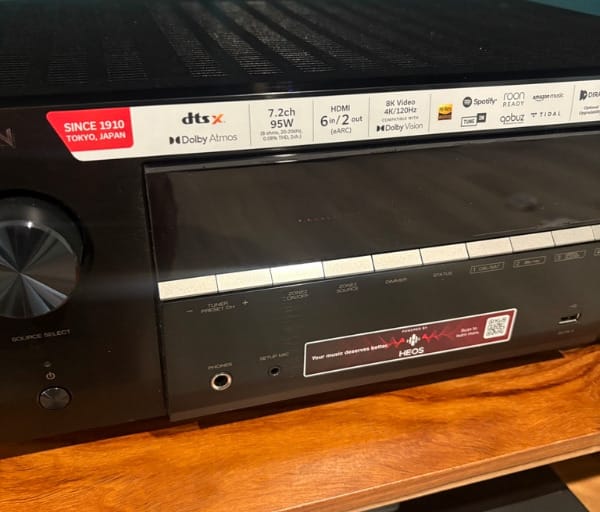
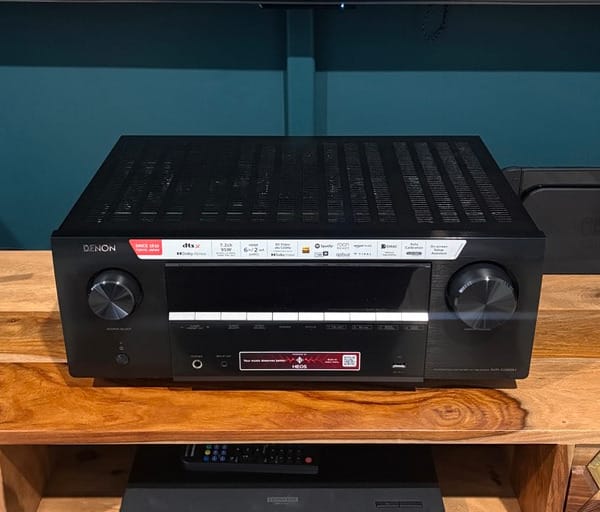
Up front, a simple display strip shows source and volume information at a glance, flanked by a volume dial and a handful of physical buttons for quick adjustments. It’s a layout that favours function over decoration, letting the receiver be operated without reaching for a remote every time.
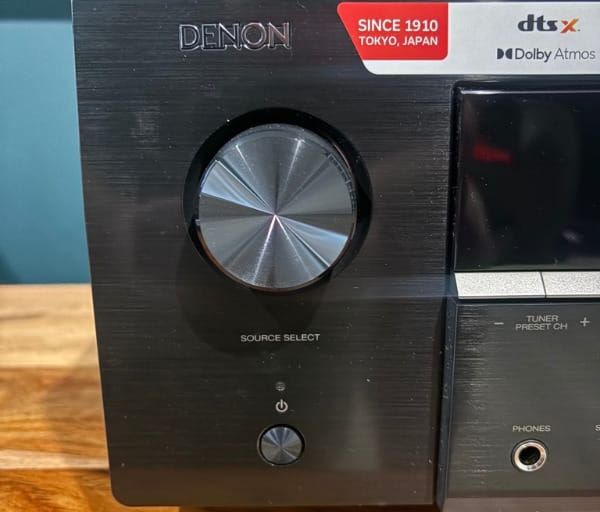
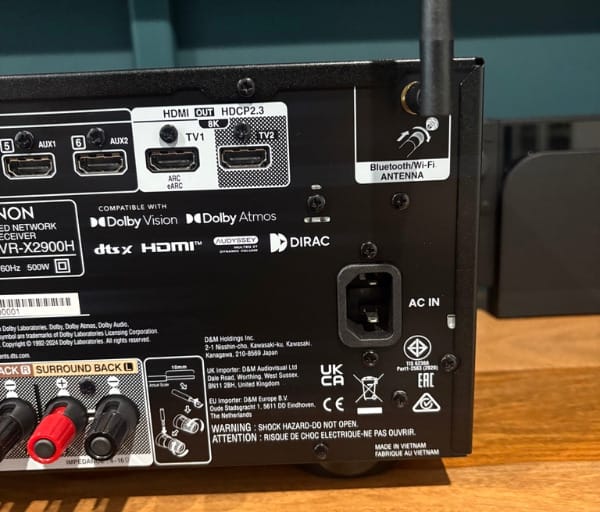
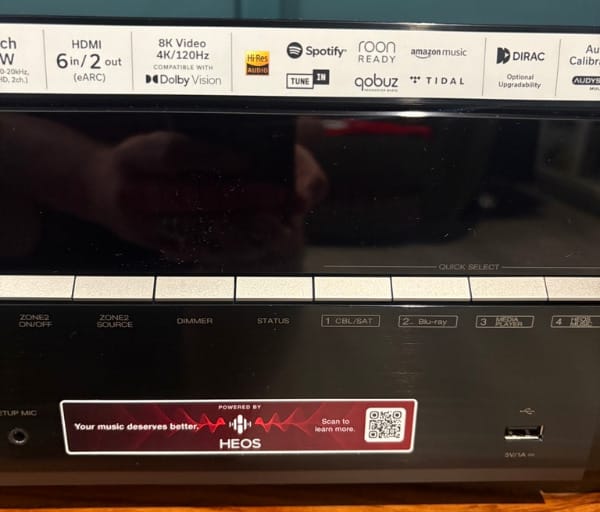
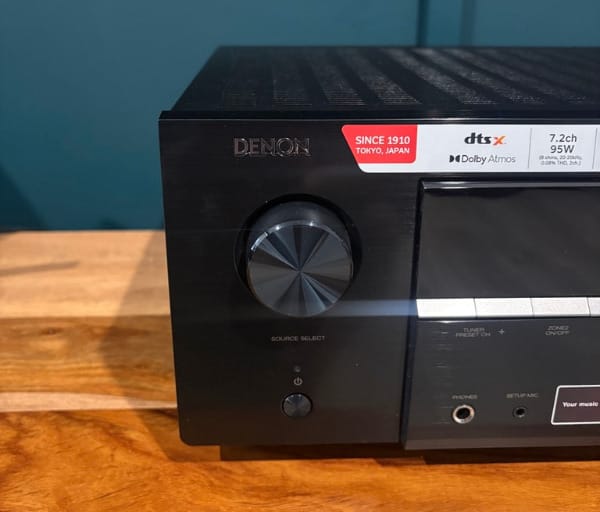
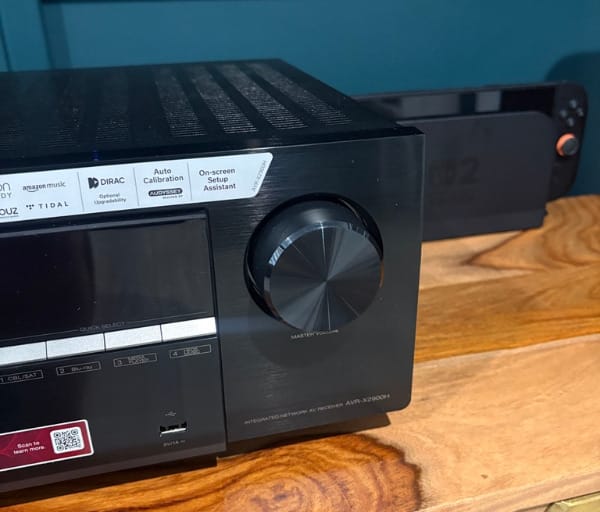
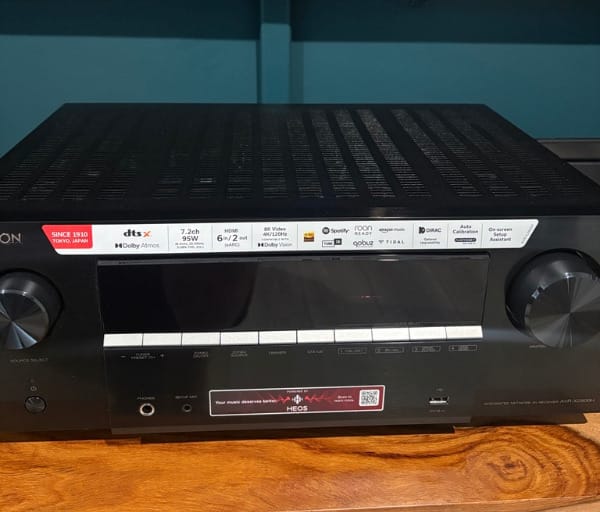
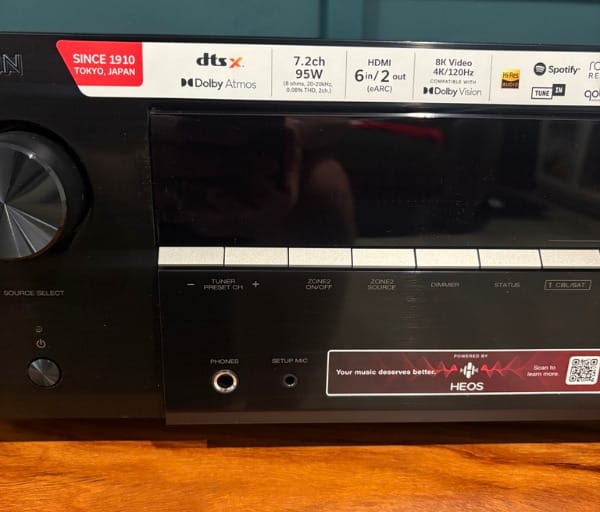
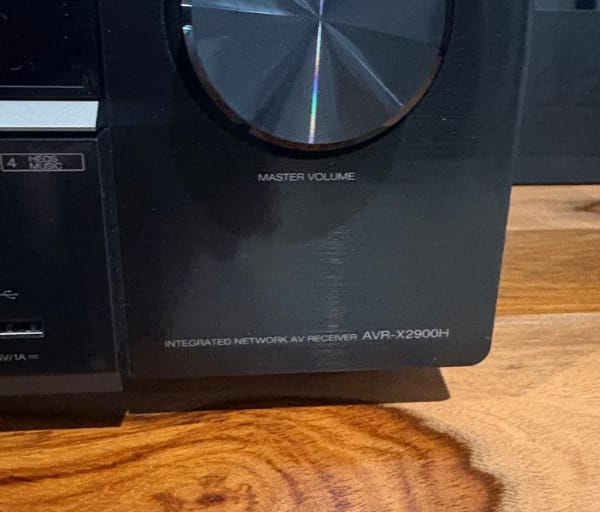
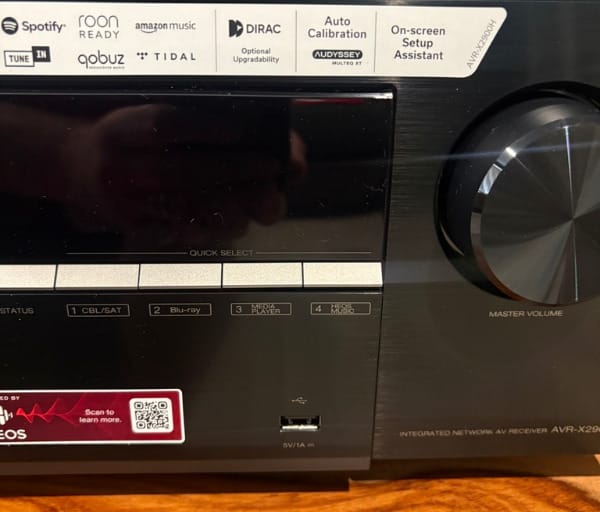
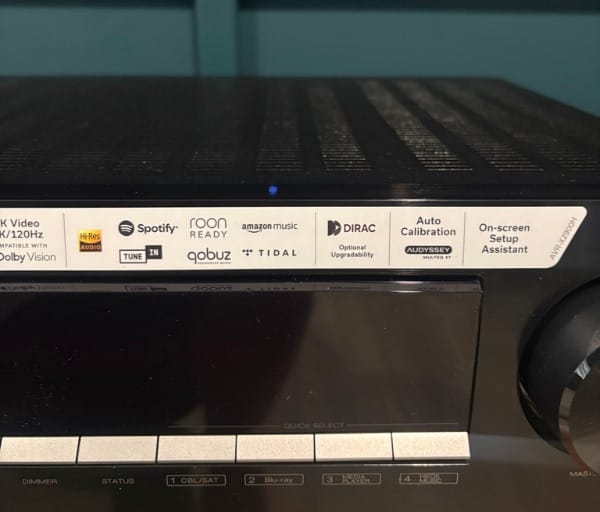
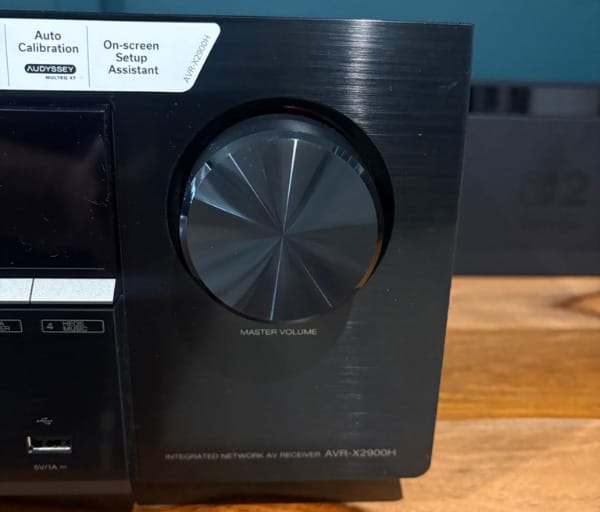
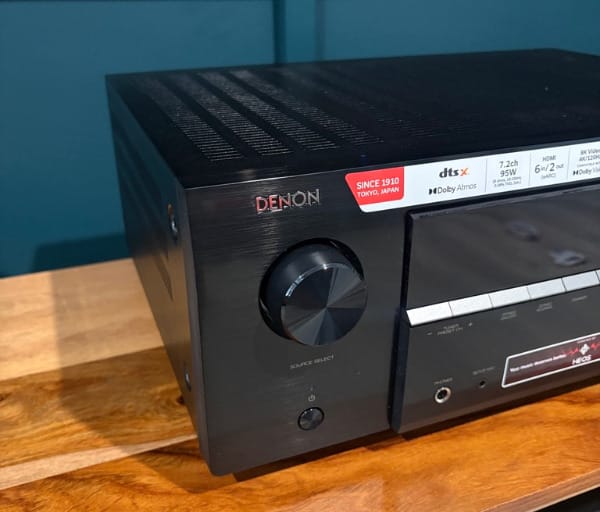
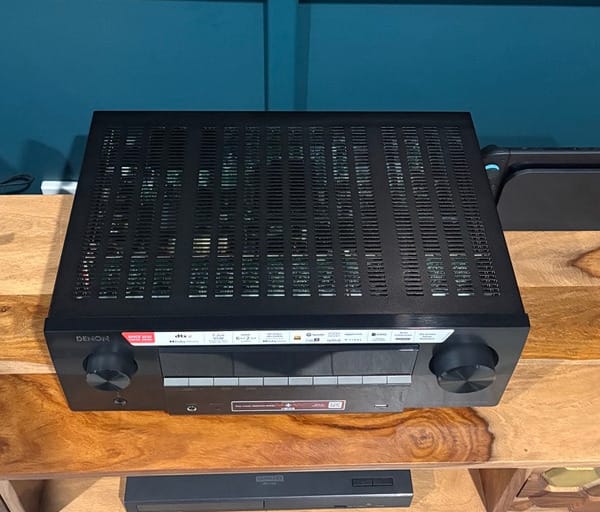
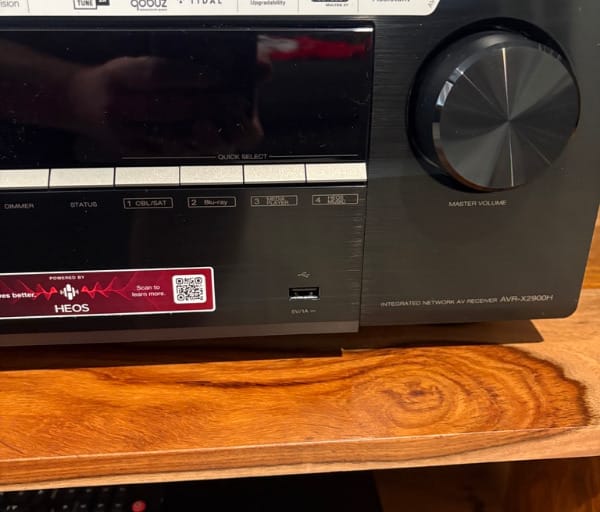
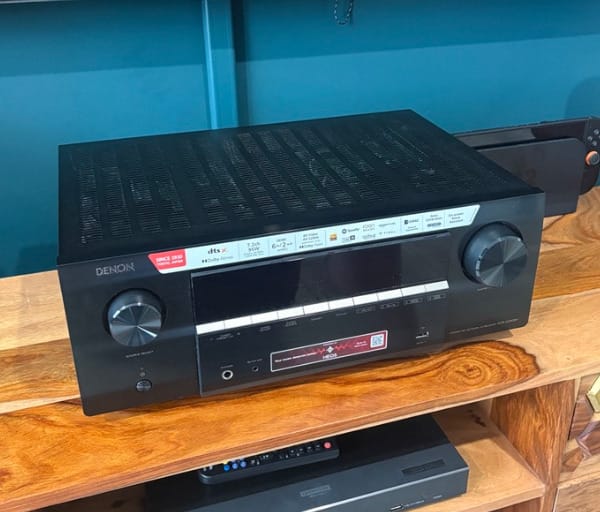
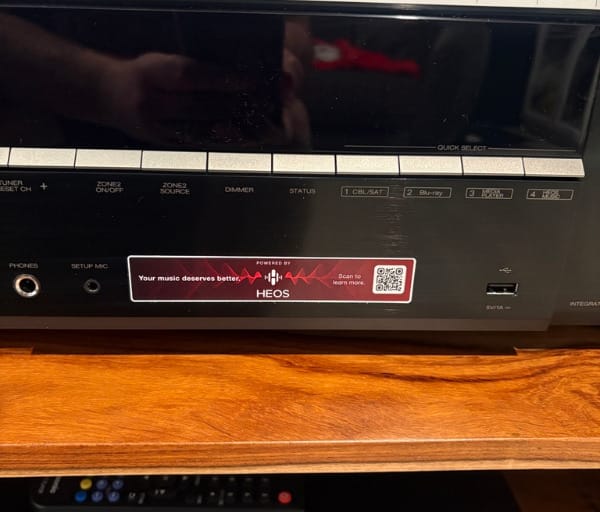
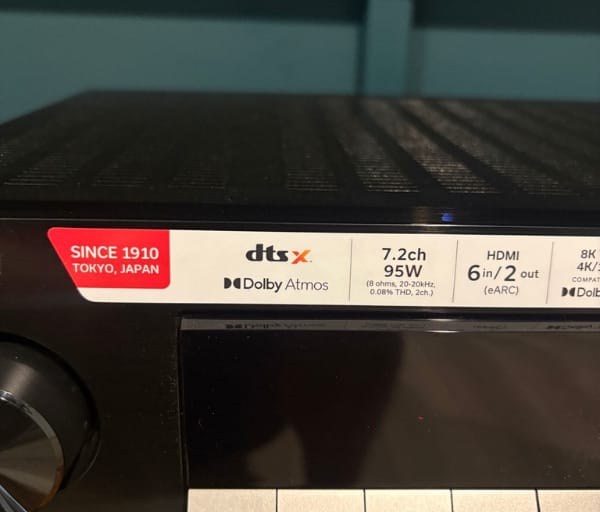
Build quality feels solid for a unit in this class, with a chassis that doesn’t flex or rattle during setup or heavier listening sessions. Denon has clearly prioritised durability in a part of the home theatre chain that tends to stay installed for years at a time.
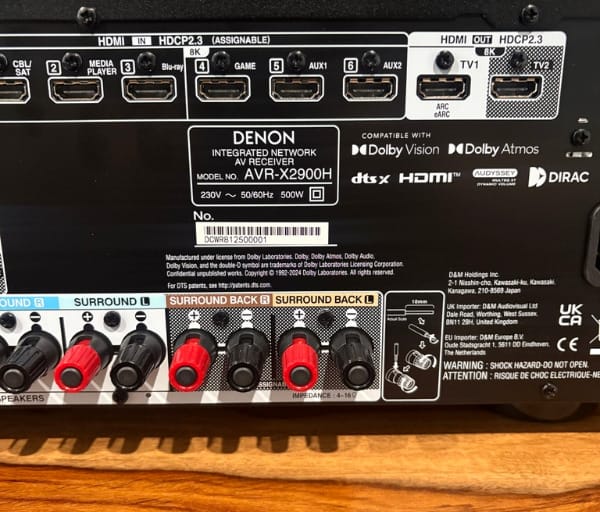
Around the back, the connection panel is laid out logically, grouping HDMI inputs and outputs, speaker terminals and network connections into clearly separated sections. This makes the initial wiring process considerably less fiddly than it could be given how many connections a modern home theatre setup demands.
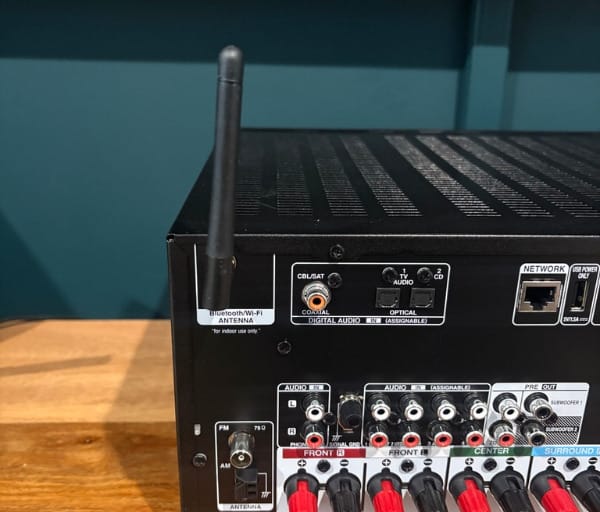
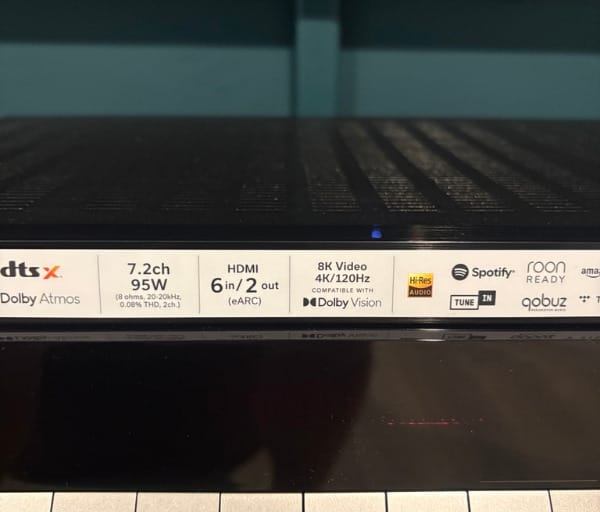
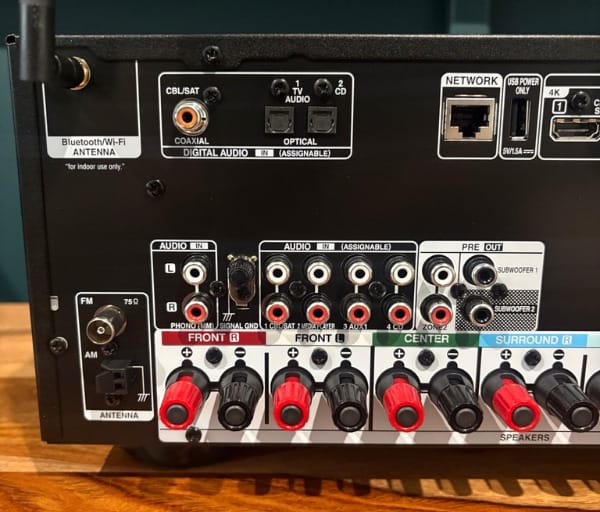
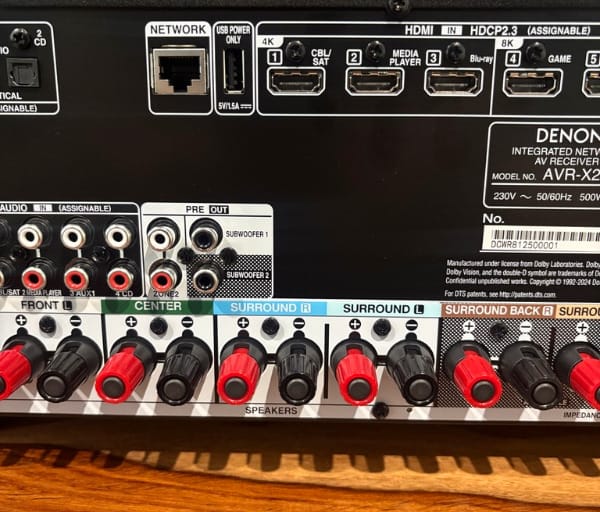
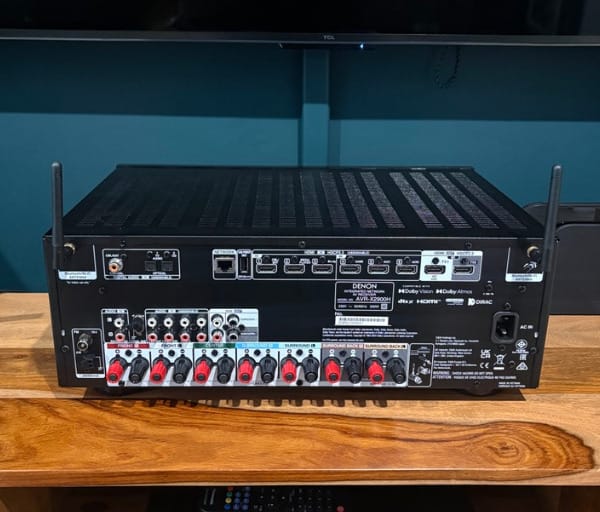
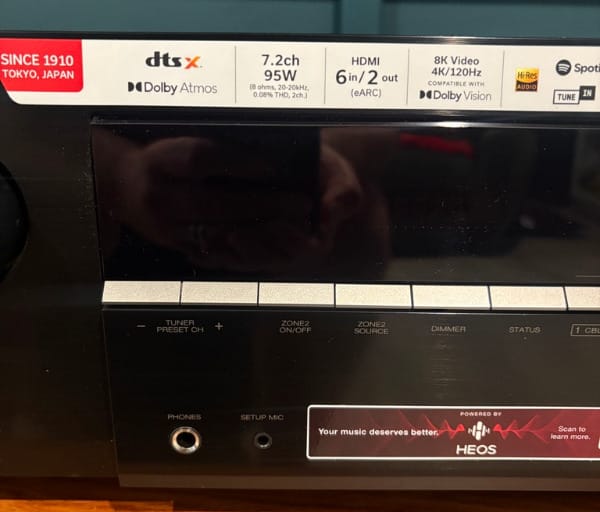
The speaker terminal layout supports the receiver’s 7.2-channel design, with clearly labelled posts that make it straightforward to match each speaker to the correct channel. Colour coding and spacing between terminals reduce the chance of crossed wires during setup.
One of the more practical design decisions is treating the AVR-X2900H as a single hub for every video source in the room. A television, games console and streaming device can all be connected through its HDMI inputs, with one clean HDMI run out to the display, which tidies up cabling considerably.
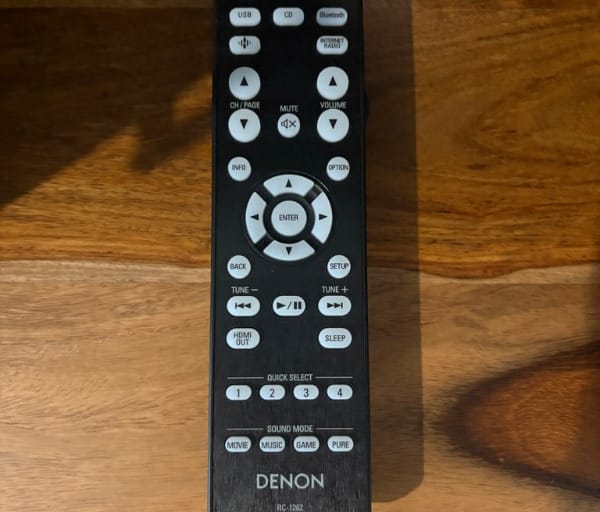
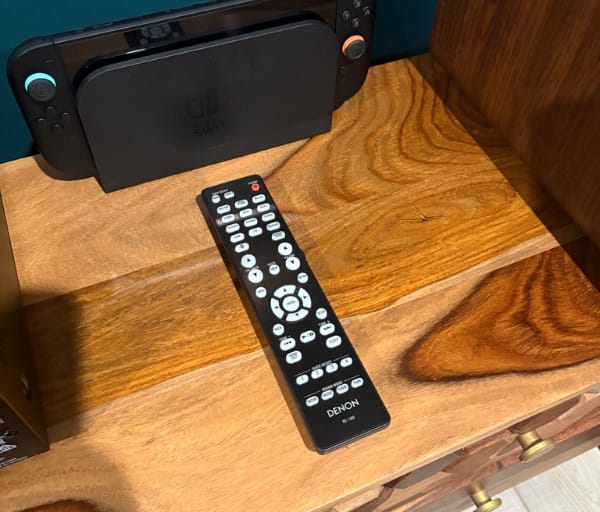
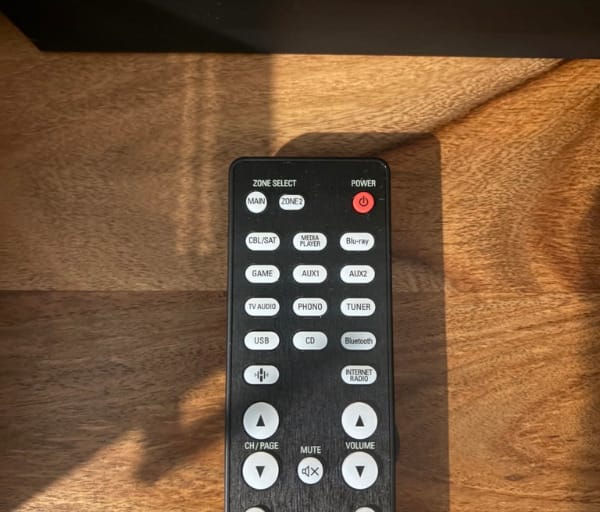
The included remote control is straightforward rather than flashy, with buttons large enough to use without hunting for the right one in a dark room. It won’t win design awards, but it does the job without unnecessary complexity.
Setup is guided by an on-screen wizard that walks through speaker configuration, calibration and source naming step by step. For anyone who hasn’t configured a receiver before, this structured approach removes a lot of the guesswork that can make the process intimidating.
Speaker placement is flexible thanks to support for 7.2 surround and 5.2.2 Dolby Atmos layouts, meaning the receiver can start with a simpler arrangement and grow as a listener adds height or surround speakers over time. This is a sensible approach for anyone building a system gradually rather than all at once.
Network connectivity covers both Wi-Fi and wired Ethernet, giving flexibility depending on where the receiver sits relative to a home router. A wired connection is generally the more reliable option for streaming higher-resolution content, but the Wi-Fi option is there for simpler installs.
Bluetooth is also built in, which rounds out the connectivity options nicely for anyone wanting to stream audio quickly from a phone or tablet without going through the HEOS app. It’s a small inclusion but one that adds genuine everyday convenience.
Control through the HEOS app extends the receiver’s usability well beyond the supplied remote, letting a user adjust volume, switch sources and manage multiroom groups from a phone. The app interface is clean enough that it doesn’t feel like an afterthought bolted onto the hardware.
Internal cooling is handled with a design that allows the receiver to run demanding content for extended periods without excessive noise or heat build-up. This matters for anyone planning long movie marathons or multi-hour gaming sessions.
Because the AVR-X2900H consolidates so many sources into one HDMI hub, cable management behind the entertainment unit ends up noticeably tidier than juggling multiple direct connections to a television. It’s a subtle benefit that becomes obvious the first time the system needs to be moved or adjusted.
For Australian homes, where living spaces range from compact apartments to larger freestanding houses, the receiver’s scalable speaker support makes it adaptable to both ends of that spectrum. A smaller lounge room can run a modest 5.1 setup, while a dedicated theatre room can push toward the full 5.2.2 Atmos configuration.
The overall design philosophy leans toward making a technically capable receiver feel approachable, without stripping out the flexibility that more experienced home theatre enthusiasts will want to use. That balance is arguably the hardest thing to get right in this category, and Denon has largely managed it here.
Key Features
At the core of the AVR-X2900H is its 7.2-channel amplifier section, delivering 95 watts per channel. That’s enough headroom to drive a reasonably sized speaker set with authority, without needing to push the receiver near its limits during typical listening volumes.
Dolby Atmos and DTS:X decoding are both supported, giving access to object-based 3D audio formats used across modern Blu-ray discs and a growing number of streaming titles. These formats place sound with much greater precision than traditional surround formats, adding a real sense of height and movement to action scenes.
Speaker configuration flexibility extends to full 5.2.2 Dolby Atmos layouts, meaning height channels can be added for overhead effects without needing to step up to a larger, more expensive receiver. This makes the AVR-X2900H a sensible entry point into object-based surround sound.
Video handling is built around 4K and 8K HDMI support, keeping the receiver relevant as displays and source devices continue to push toward higher resolutions. This future-facing approach means buyers aren’t locking themselves into hardware that will feel dated the moment a new television arrives.
Dolby Vision support rounds out the picture side of things, preserving the colour, contrast and detail that high dynamic range content is designed to deliver. For anyone with a Dolby Vision-capable television, this ensures the receiver doesn’t become a bottleneck in the signal chain.
Built-in upscaling takes lower-resolution HD sources, such as standard Blu-ray discs, and sharpens them for display on modern 4K and 8K televisions. It’s a handy feature for anyone with an older disc collection who doesn’t want to replace every title just to match a newer screen.
HEOS whole-home streaming is one of the standout inclusions, letting the AVR-X2900H act as part of a broader multiroom audio system alongside other HEOS-enabled speakers around the house. Music can be synced across rooms or played independently, depending on what’s needed at the time.
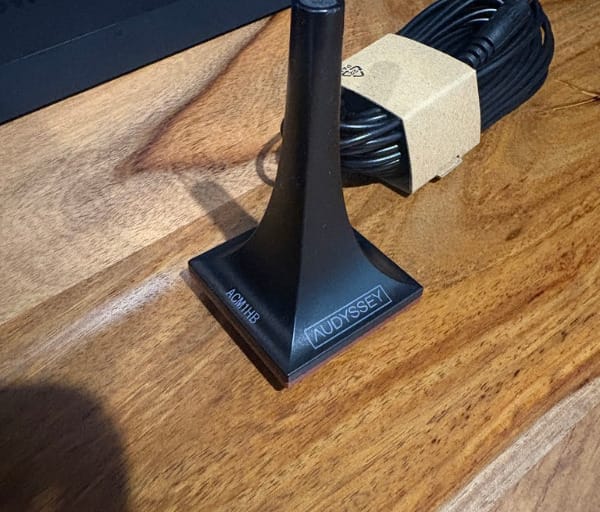
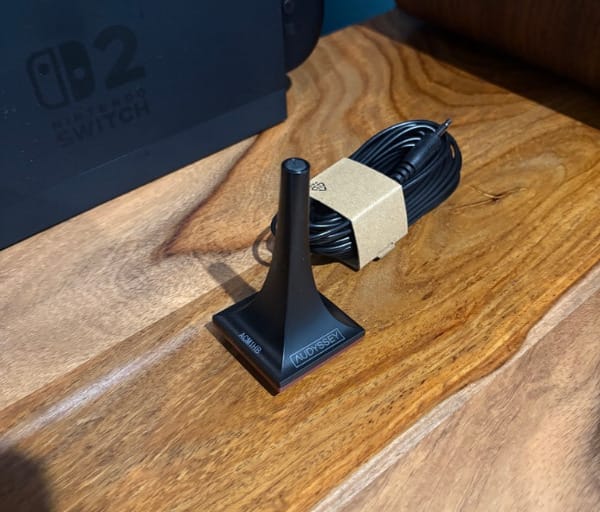
Audyssey room correction is included as the receiver’s primary calibration system, using a supplied microphone to measure how sound behaves in the actual listening space. It then adjusts levels and equalisation automatically, which takes a lot of the guesswork out of getting a balanced sound.
For listeners who want to go further, the AVR-X2900H is Dirac Live RC upgrade ready, offering a path to more advanced room correction down the track. This is a nice inclusion for enthusiasts who may want to fine-tune their system beyond what Audyssey offers out of the box.
The receiver’s HDMI hub approach means a television, games console, and streaming box can all run through the AVR-X2900H rather than being connected directly to the display. This centralises switching and keeps the whole setup easier to manage day to day.
Streaming services are accessible through the HEOS platform, covering popular options that many Australian households already use for music. Having this built directly into the receiver removes the need for a separate streaming device just to play music through the main system.
Voice control compatibility through the HEOS ecosystem adds another layer of convenience, letting commands handle volume or source switching without reaching for a remote or phone. It’s the kind of feature that becomes genuinely useful once it’s part of a daily routine.
Firmware updatability means the AVR-X2900H can continue to receive improvements and new features after purchase, extending its usefulness over time rather than locking its capabilities in at the point of sale. This is increasingly important as streaming standards and HDMI specifications continue to evolve.
Audyssey’s dynamic processing also helps even out volume levels during quieter late-night viewing, keeping dialogue audible without blasting loud effects at a volume that might disturb the rest of the house. It’s a small but genuinely practical inclusion for everyday use.
Experience Using the Product and Performance
Unboxing the AVR-X2900H reveals a fairly standard AV receiver bundle, with the unit itself, a remote, a calibration microphone and the necessary cables to get started. Nothing about the physical setup process feels unusual, which is reassuring for anyone who hasn’t set up a receiver before.
The guided setup wizard is the first real test of how approachable this receiver is for newcomers, and it performs well here. Each step, from naming inputs to selecting a speaker layout, is explained clearly enough that a first-time user shouldn’t feel lost.
Running the Audyssey calibration process involves placing the supplied microphone at a few listening positions around the room while the receiver sends test tones through each speaker. The whole process takes only a few minutes and produces a noticeably more balanced sound once complete.
Configuring a 5.2.2 Atmos layout during setup is straightforward, with the receiver clearly indicating which speaker should be connected to which terminal. Anyone adding height speakers for the first time will appreciate how little trial and error is required.
Connecting a television, a games console and a streaming box through the receiver’s HDMI inputs is simple, and switching between them afterwards is instant thanks to the single HDMI hub design. There’s no noticeable lag or handshake delay when swapping sources during regular use.
Powering the system on for the first time and navigating the on-screen menu feels intuitive, with clear labelling and logical menu structure. It doesn’t take long to find volume, source and sound mode settings without digging through layers of submenus.
Watching a Dolby Atmos-encoded film is where the AVR-X2900H starts to show its strengths, with overhead and surround channels working together to create a genuine sense of space during action sequences. Effects move convincingly around the room rather than simply coming from the front.
DTS:X content is handled with similar confidence, rendering environmental effects with a natural sense of placement that makes action scenes feel more immersive than standard surround sound. The receiver doesn’t seem to favour one format over the other in terms of output quality.
Dialogue remains clear and easy to follow even as the volume climbs during busier scenes, which matters enormously for anyone who regularly struggles to understand speech over background effects. This clarity holds up whether the content is a quiet drama or a dense action blockbuster.
Dynamic scenes, where quiet moments suddenly give way to loud effects, are handled with composure rather than strain. The 95 watts per channel on tap gives the receiver enough headroom to avoid sounding compressed or harsh when pushed.
Bass response feels controlled rather than boomy, with low frequency effects landing with impact but without overwhelming the rest of the mix. This balance makes for a more comfortable long-term listening experience compared with receivers that lean too heavily into bass for effect.
Switching over to music, the AVR-X2900H performs confidently in stereo listening too, rendering vocals and instruments with a clean, detailed presentation. It doesn’t feel like a receiver that only excels at movies and compromises everywhere else.
The overall soundstage across both movies and music feels spacious and well layered, with instruments and effects given enough separation that the mix never feels cluttered. This spaciousness is particularly noticeable once Audyssey calibration has been applied to the room.
Gaming through the receiver, with a modern console connected via HDMI, benefits from the 4K/8K passthrough support and feels responsive without any noticeable input lag. Sound effects in games with object-based audio support translate well through the Atmos-capable speaker layout.
Streaming music through the HEOS app is simple, with a clean interface for browsing sources and queuing tracks. Playback starts quickly and the app rarely feels like it’s fighting against the hardware.
Expanding into a genuine multiroom setup, by adding other HEOS-enabled speakers around the house, works smoothly, with the AVR-X2900H acting as one node in a larger synced audio system. Grouping and ungrouping rooms through the app is quick and doesn’t require restarting playback.
Bluetooth streaming from a phone is a handy fallback option for quick listening sessions, and while it’s not going to match a wired or network connection for outright fidelity, it’s more than serviceable for casual use.
Day-to-day operation through the physical remote remains comfortable, with commonly used buttons easy to find by feel once a user becomes familiar with the layout. It’s not a premium remote, but it covers the basics without frustration.
Using the HEOS app as the primary control method ends up being the more convenient option for most tasks, from adjusting volume to switching inputs, especially when the remote isn’t within easy reach.
Picture passthrough quality for native 4K and 8K sources is clean, with no visible artefacts or dropouts introduced by routing video through the receiver rather than connecting a display directly to the source.
Upscaling older HD content, such as standard Blu-ray discs, produces a noticeably sharper image on a 4K or 8K television compared with leaving upscaling to the display alone. Detail looks a little more refined without introducing obvious processing artefacts.
Testing the receiver in a smaller apartment-style room versus a larger dedicated theatre space highlights just how adaptable the AVR-X2900H’s speaker flexibility really is. The same unit comfortably handles a modest 5.1 setup in one scenario and a fuller 5.2.2 Atmos arrangement in another.
During extended viewing sessions, the receiver stays reasonably cool and doesn’t produce distracting fan noise, which matters for anyone watching a long film or playing games for several hours at a stretch.
Late-night listening benefits from Audyssey’s dynamic processing, which keeps dialogue intelligible at lower volumes without the loudest effects becoming jarring. This is a genuinely useful feature for households sharing walls with sleeping family members.
Across the review period, firmware behaved reliably, with the receiver maintaining stable network connections and consistent HDMI handshakes across different sources. There were no dropouts or unexpected resets during regular use.
For anyone upgrading from a soundbar, the jump in clarity, separation and overall scale of sound is immediately obvious, particularly once a proper multi-speaker layout is calibrated. It’s the kind of upgrade that makes a real difference to how engaging movies and games feel.
Households with multiple gaming consoles or a mix of streaming devices will appreciate how easily the AVR-X2900H absorbs all of them into one hub, simplifying what could otherwise be a tangle of cables and inputs competing for a television’s limited HDMI ports.
Long movie sessions don’t lead to listening fatigue, thanks to the receiver’s balanced tonal character that avoids pushing treble or bass too aggressively. This makes it comfortable for binge-watching a full season or sitting through a lengthy film.
Building out a broader HEOS ecosystem around the AVR-X2900H, whether that’s a couple of additional speakers in other rooms, feels like a natural extension rather than a complicated add-on process. The receiver integrates into that wider system without any awkward workarounds.
Taken together, the overall sound signature lands on the richer, smoother side rather than sounding clinical or overly bright, which suits a wide range of content from action films to quieter dialogue-driven dramas.
Conclusion
The Denon AVR-X2900H manages to pack a genuinely capable home theatre receiver into a package that doesn’t demand expert-level knowledge to set up and enjoy. Its combination of Dolby Atmos and DTS:X decoding, flexible 5.2.2 speaker support and 95 watts per channel gives it the performance credentials to satisfy both newcomers and more experienced home theatre enthusiasts.
Future-facing touches like 4K/8K HDMI passthrough, Dolby Vision support and Dirac Live upgrade readiness mean this receiver isn’t just built for today’s gear but has room to grow alongside a home theatre setup over the coming years. That kind of longevity is worth considering for anyone wary of replacing a receiver every time a new display or console arrives.
HEOS multiroom streaming adds a layer of everyday usefulness that extends well beyond movie nights, turning the AVR-X2900H into the centrepiece of a broader whole-home audio system rather than a component that only switches on for films. Combined with Audyssey calibration, it consistently delivers a balanced, spacious sound across a wide range of content.
For Australian buyers after a flexible, Atmos-ready receiver that handles movies, music, gaming and multiroom streaming without unnecessary complexity, the Denon AVR-X2900H makes a strong case for itself as a long-term home theatre hub.
Frequently asked questions
What speaker configurations does the Denon AVR-X2900H support?
The AVR-X2900H supports 7.2 surround sound as well as 5.2.2 Dolby Atmos layouts, allowing height speakers to be added for overhead effects. This flexibility means the setup can start simple and expand over time as a room or budget allows.
Does the AVR-X2900H support advanced room correction?
Yes, it comes with Audyssey room correction built in, using a supplied calibration microphone to automatically balance speaker levels and equalisation for the listening space. It’s also Dirac Live RC upgrade ready, giving enthusiasts a path to more advanced calibration later on.
Can the AVR-X2900H handle both 4K and 8K video?
The receiver supports 4K and 8K HDMI passthrough along with Dolby Vision, and it can upscale lower-resolution HD sources for display on newer high-resolution televisions. This makes it a capable hub for current and future video sources alike.
How does the AVR-X2900H handle multiroom audio?
Through Denon’s HEOS platform, the AVR-X2900H can stream music in sync with other HEOS-enabled speakers around the home, or play independently in different rooms. Control is managed through the HEOS app, which also supports Bluetooth streaming and voice control integration.