Discrete graphics card sales have climbed to their highest level in four years, according to new market tracking data, even as memory shortages continue to push component prices higher across the industry. Shipments of standalone GPUs for desktop and notebook PCs rose both sequentially and year-over-year, defying the broader slump that has weighed on PC hardware demand for much of the past two years.
The figures, compiled by Jon Peddie Research, show total add-in board shipments reached 13.24 million units, the strongest showing for the category since 2021. That growth arrives at an odd moment for the wider PC market, which has faced tight supply and rising costs on memory chips used in everything from graphics cards to laptops and gaming consoles.
Table of Contents
What the numbers actually show
Four years ago, GPU shipments were still recovering from the cryptocurrency mining boom and the supply chain chaos of the pandemic era. Since then, the discrete graphics card market has been choppy, with demand dipping as gamers held onto existing hardware for longer and PC sales generally softened. This latest result breaks that pattern, with both quarter-on-quarter and annual growth pointing to renewed appetite for dedicated graphics hardware.
Notably, notebook graphics chips did much of the heavy lifting. Laptop GPUs, both integrated and discrete, have effectively carried the overall graphics market at a time when desktop upgrades have slowed. That shift reflects a broader trend in PC buying habits, where laptops now account for a larger share of total computer sales than desktops in most markets, including Australia.
AMD was the standout gainer in the latest reporting period, picking up market share at a moment when GPU supply is unusually constrained. That is a meaningful development given how dominant Nvidia has remained in discrete graphics for years. Even modest share gains for AMD suggest its recent lineup, including cards like the ASUS TUF RX 7900 XT, is resonating with buyers looking for value or availability that Nvidia’s most popular cards can’t always match.
Why memory prices keep climbing
The backdrop to all of this is a global memory shortage that has been building for months. Demand for high-bandwidth memory used in AI accelerators has soaked up manufacturing capacity that would otherwise go toward the DRAM and GDDR chips used in consumer graphics cards. That squeeze has flowed straight through to GPU pricing, with several popular models now selling well above their original recommended prices.
The effect has been most visible at the high end. RTX 5090 prices have already surged well above their recommended price in many markets, a trend that mirrors what is happening across the wider memory-dependent hardware category, including RAM kits and SSDs. Buyers who assumed prices would settle after initial launch shortages have instead watched costs creep upward as memory suppliers prioritise higher-margin AI orders.
What makes the latest shipment growth notable is that it happened despite these headwinds, not because of them. Higher prices typically dampen demand, yet GPU shipments still rose. That suggests either pent-up replacement demand from gamers running older hardware, stronger-than-expected notebook sales, or a combination of both propping up the category.
AMD versus Nvidia, and where Intel fits
Nvidia remains the largest player in discrete graphics by a wide margin, a position it has held since well before the current memory crunch began. Its dominance spans everything from budget cards to flagship models used in gaming rigs and AI workstations alike. AMD’s gains this period do not change that leadership position, but they do suggest AMD is executing better than usual on availability and pricing relative to its rival.
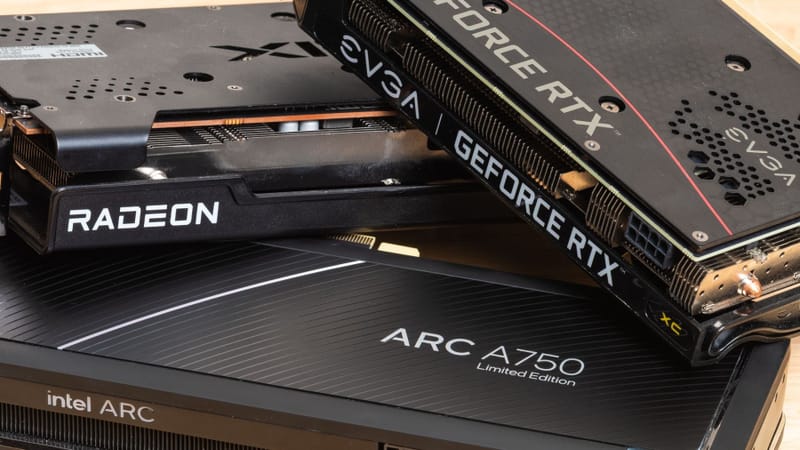
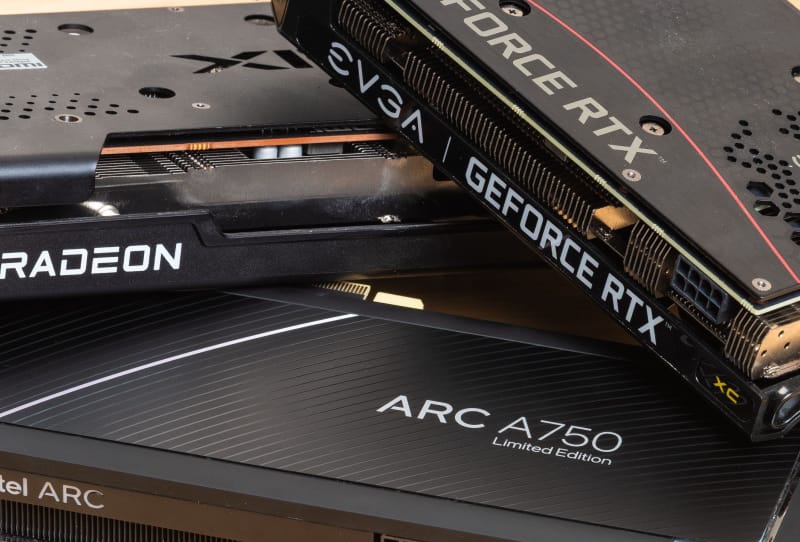
AMD’s recent run of new desktop and mobile GPU launches has given retailers more inventory to sell at a time when Nvidia’s most in-demand cards have been harder to find in stock. Intel, meanwhile, continues to hold a small but persistent slice of the discrete GPU market with its Arc lineup, primarily as a budget-focused alternative rather than a direct threat to the two established leaders.
| Vendor | Market position | Recent trend |
|---|---|---|
| Nvidia | Market leader | Steady, but supply-constrained on flagship models |
| AMD | Second largest | Gained market share amid AMD’s product refresh |
| Intel | Smallest of the three | Stable niche presence in budget segment |
What it means for buyers
For anyone shopping for a new graphics card, the takeaway is straightforward: don’t expect prices to fall soon. As long as memory manufacturers keep diverting capacity toward AI hardware, GDDR and HBM supply for consumer GPUs will stay tight, and card makers will keep passing those costs on. That dynamic has already reshaped which cards represent good value, with mid-range options often looking more attractive than they did a year ago simply because flagship pricing has drifted so far from its original mark.
It also signals that AMD’s push to offer competitive alternatives is having a real effect on the market, even if Nvidia’s overall lead remains substantial. Shoppers weighing their next upgrade may find more genuine choice at a given price point than they have in previous years, which is arguably the more useful outcome of this whole shortage story than the raw shipment figures themselves.