Meta will stop releasing new operating system updates for the Quest 2 and Quest Pro headsets by March 2027, closing the book on software development for two of its oldest VR devices. The last planned Quest 2 OS update, version 213, will mark the end of new features for both headsets, though Meta says it will keep shipping security patches and critical bug fixes through the remainder of 2027.
Key takeaways
- ✓Meta will ship the last Quest 2 and Quest Pro OS update, version 213, by March 2027
- ✓Security patches and critical bug fixes continue only through the end of 2027
- ✓App submissions for Quest 2 and Quest Pro are accepted until December 2027
- ✓Meta now treats Quest 3 and Quest 3S as the baseline VR gaming hardware
- ✓The shift precedes Meta's new VR Glasses, due in spring 2027 on the same OS
The change was announced in a developer blog post, giving owners and developers more than a year of notice before support winds down properly. It is a significant moment for a headset that introduced millions of people to standalone VR, and it signals where Meta wants its hardware and software resources to go next.
Table of Contents
What the Quest 2 OS updates cutoff actually means
The timeline Meta has laid out is more gradual than a simple shutdown. Version 213 is expected to land as the final feature update for Quest 2 and Quest Pro by March 2027. After that point, no new functionality is planned for either device, but Meta isn’t abandoning them outright.
Security patches and fixes for critical bugs will continue to roll out through the end of 2027, giving existing owners a reasonable safety net. Developers also get a grace period: apps built for Quest 2 or Quest Pro can still be submitted to the store through December 2027, so the content pipeline won’t dry up overnight even after feature updates stop.

That staggered approach mirrors how most hardware makers wind down support for older devices, offering a clear end date for new features while keeping the lights on for security long enough that users aren’t left exposed immediately.
Why Meta is shifting focus away from these headsets
Meta has been blunt about where its attention is going. The company now describes the Quest 3 and Quest 3S as “the baseline for Meta VR gamers,” a clear signal that future software and app development will be built around that newer hardware generation rather than the ageing Quest 2 and Quest Pro.
Part of the reasoning comes down to headroom. Quest 3 and 3S offer more processing power and built-in mixed reality support, letting developers build richer experiences than the original Quest 2 hardware can handle. Meta has also pointed out that apps built for the current generation will carry forward to its upcoming VR Glasses, which run on the same operating system and software development kit.
That compatibility detail matters. Rather than treating its upcoming VR Glasses as a totally separate platform, Meta is positioning them as a natural extension of the Quest 3 software ecosystem, due to arrive sometime in spring 2027, right around when Quest 2 support effectively ends. Lining up the two transitions suggests Meta wants developers focused on one forward-looking platform rather than splitting effort across four generations of hardware.

A quick look back at Quest 2 and Quest Pro
Meta launched the original Quest 2 back in 2020, and it quickly became one of the best-selling standalone VR headsets ever made thanks to its relatively accessible positioning and solid performance for the time. The Quest Pro followed in 2022, aimed at a more premium, mixed-reality-focused audience with features like eye tracking and face tracking built in.
Both headsets were officially discontinued in 2024, meaning Meta has continued supporting them in software form for roughly three years past that point. That is a reasonably generous support window compared with how quickly some tech companies cut legacy hardware loose.
| Milestone | Date |
|---|---|
| Quest 2 launch | 2020 |
| Quest Pro launch | 2022 |
| Both headsets discontinued | 2024 |
| Final OS update (v213) | By March 2027 |
| Security patches end | End of 2027 |
| App submissions close | December 2027 |
What it means for current owners
For anyone still using a Quest 2 or Quest Pro daily, nothing changes immediately. Meta says “millions of people still play” on these headsets, and that existing hardware will keep working as before for at least another year of feature support, plus further months of security coverage afterward.
The practical upshot is longer term. New VR titles and experiences will increasingly be built with Quest 3-class hardware in mind, meaning Quest 2 and Quest Pro owners may start noticing fewer new releases optimised for their devices well before official support ends. Anyone weighing an upgrade, or exploring Meta’s broader software push through tools like its Horizon Create tool for building VR games, should factor this timeline into the decision, since newer content and features are clearly being built for the current generation first.
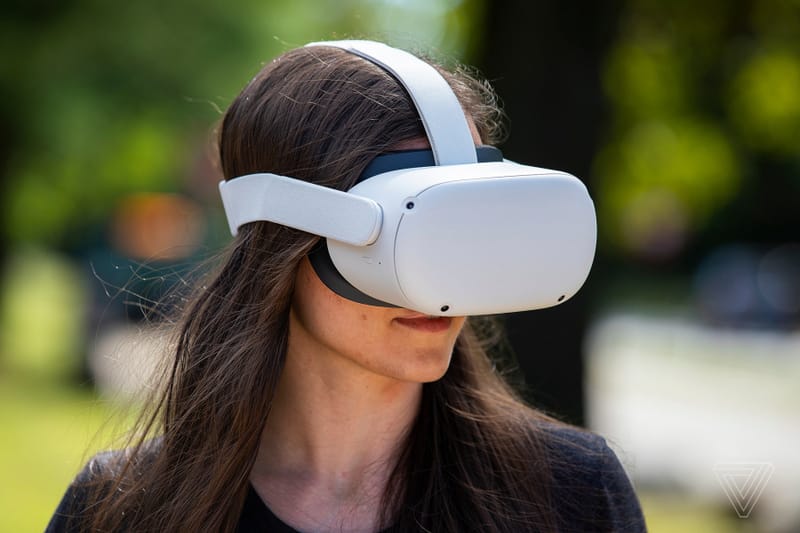
It’s a familiar pattern in consumer tech: ageing hardware gets a firm support horizon, while the company’s energy and marketing shift toward whatever comes next, in this case, a lineup that stretches from Quest 3 and 3S all the way to Meta’s forthcoming VR Glasses.
Frequently asked questions
When will Meta stop updating the Quest 2?
Meta plans to release the final feature update for Quest 2, version 213, by March 2027. Security patches and critical bug fixes will keep coming through the end of 2027.
Will Quest 2 and Quest Pro still work after 2027?
Yes. The headsets will continue functioning, and existing apps will keep running. Meta is only ending new feature development and, eventually, security patching, not disabling the hardware.
Can developers still release apps for Quest 2 after the update cutoff?
Yes, developers can submit new apps supporting Quest 2 and Quest Pro until December 2027, even after feature updates to the OS itself have stopped.
What headset is Meta recommending instead of Quest 2?
Meta now considers Quest 3 and Quest 3S the baseline hardware for its VR ecosystem, with future apps and features built around that generation and carried forward to its upcoming VR Glasses.