Onimusha Way of the Sword has sold more than a million copies on its opening day, giving Capcom its strongest evidence yet that dormant franchises still have plenty of life in them. The samurai action game marks the first new mainline entry in the Onimusha series in two decades, and its launch numbers have pushed the franchise past 10 million lifetime sales.
Capcom confirmed the milestone shortly after release, framing it as proof that reviving older intellectual property can pay off when handled carefully. The publisher has now signalled it wants to keep looking at its back catalogue for other series worth bringing back, a strategy that could reshape how it plans releases over the next few years.
Table of Contents
Onimusha Way of the Sword marks a genuine comeback
The original Onimusha series debuted on PlayStation 2 and became one of Capcom’s signature action franchises, mixing samurai combat with survival-horror puzzle design borrowed loosely from the Resident Evil template. After a string of entries through the mid-2000s, the series went quiet, with only remasters and side projects keeping the name alive.
Onimusha Way of the Sword changes that by delivering a full new mainline instalment rather than another re-release. Early reception has focused on its weighty sword combat and its willingness to modernise the formula while keeping the feudal Japan setting that defined the original games. Selling over a million units on day one puts it among the stronger launches Capcom has had outside its usual Monster Hunter and Resident Evil pillars.
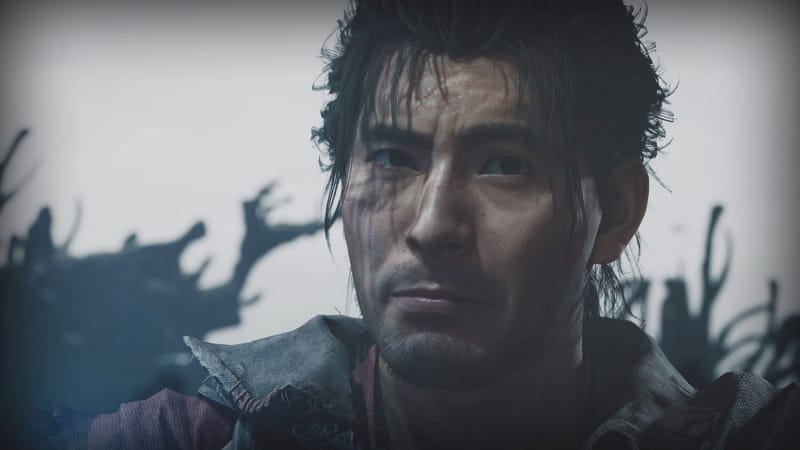
Reaching 10 million lifetime sales across the whole series is a meaningful figure for a franchise that had been effectively shelved for twenty years. It suggests the built-up demand from long-time fans, combined with curiosity from newer players discovering the series for the first time, was enough to make the revival commercially viable rather than a nostalgia play that only appeals to a niche audience.
Why Capcom is talking about ‘re-activating’ more IPs
Capcom’s comments around the launch went further than celebrating a single game’s success. The publisher explicitly said it remains interested in re-activating other IPs sitting dormant in its library, language that suggests Onimusha Way of the Sword is being treated internally as a proof of concept rather than a one-off.
Capcom has a genuinely deep back catalogue to draw from, including franchises like Dino Crisis, Dragon’s Dogma, Ghost Trick, and older action series that have not seen a new entry in years. Fans have spent years campaigning for several of these to return, often citing the same argument Capcom appears to be making now: a well-executed revival of a beloved series can outperform an entirely new IP, because the audience goodwill is already there and simply needs a reason to re-engage.

This mirrors a broader pattern across the games industry, where publishers increasingly lean on established names rather than gambling on unproven concepts. GTA 6 has taken a similar stance by launching without microtransactions or generative AI, betting that a trusted franchise executed well is worth more long-term than short-term monetisation add-ons.
How the numbers compare to Capcom’s other franchises
Capcom’s biggest current earners, Monster Hunter and Resident Evil, routinely sell in the tens of millions per major release, so a million day-one sales for a returning series that had been absent for twenty years is a strong result rather than a chart-topping one. What makes it notable is the trajectory: a franchise many assumed was permanently retired has re-entered relevant sales conversations almost immediately.
| Metric | Figure |
|---|---|
| Time since last mainline Onimusha release | Around 20 years |
| Day-one sales for Onimusha Way of the Sword | Over 1 million units |
| Onimusha series lifetime sales | 10 million units |
For context, the resurgence sits alongside other signs of health in the wider PC and console gaming market, including discrete graphics card sales hitting a four-year high, which points to more players investing in hardware capable of running demanding action titles like Way of the Sword at higher settings.
What it means for players and the wider industry
For players who grew up with the original Onimusha games, the launch numbers are a reassurance that Capcom sees enough demand to justify continued investment rather than treating the revival as a limited experiment. It also raises the odds that a sequel or expanded content could follow if sales hold up over the coming months.
For the industry more broadly, Onimusha Way of the Sword adds to a growing case that publishers sitting on shelved franchises should look at reviving them properly instead of leaving them as remaster fodder. Capcom’s willingness to talk publicly about re-activating more IPs suggests this will not be an isolated case, and other dormant series from its catalogue could realistically see new entries if the current momentum continues. Players interested in tracking related PC gaming technology news, including Nvidia’s confirmed DLSS 5 rollout, will likely see more crossover between big franchise revivals and the hardware built to run them.
None of this guarantees which franchise comes next, and Capcom has not named specific titles it plans to revive. But the commercial result of Onimusha Way of the Sword gives the publisher a clear internal case study to point to, and that alone makes further announcements more likely than they were before launch day.