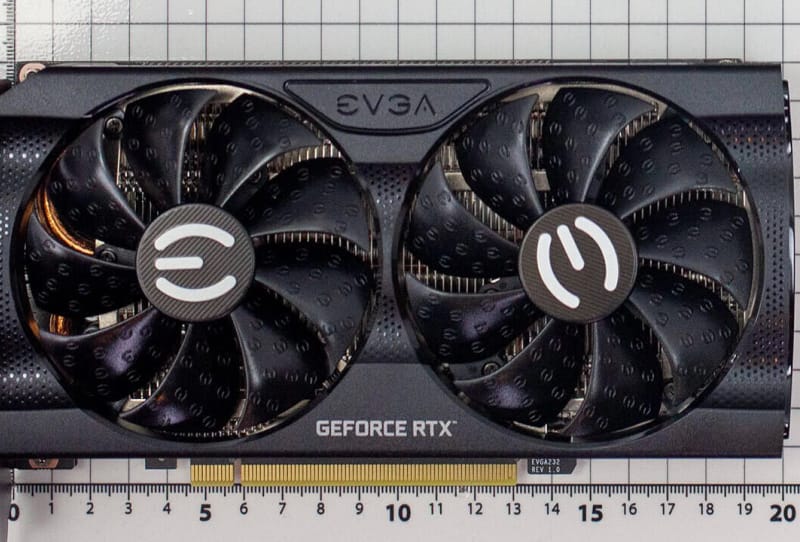
The RTX 50 series shortage sweeping through Chinese retail channels has pushed graphics card partners back toward Nvidia’s older GeForce RTX 3060 and RTX 3050 to keep shelves stocked. With Blackwell-based cards running thin, add-in board partners are reportedly steering buyers toward these two-generation-old Ampere chips, along with select AMD Radeon models, just to meet demand.
Key takeaways
- ✓Chinese GPU retailers are redirecting buyers to the RTX 3060 and RTX 3050 amid tight RTX 50 series supply
- ✓Nvidia revived the RTX 3060 12GB edition in June, built again on Samsung's 8nm DUV node
- ✓Crypto mining demand and e-commerce promotions are draining RTX 50 series stock fastest in China
- ✓Some add-in card partners have reportedly already run out of RTX 50 series inventory
- ✓AMD Radeon cards are also being pushed as substitutes while Blackwell supply stays constrained
According to a ChannelGate report, some partners have already exhausted their RTX 50 series inventory entirely. Cryptocurrency mining activity and aggressive e-commerce promotions inside China are cited as the two biggest drains on supply, leaving retailers scrambling for an alternative that still moves units off the shelf.
Table of Contents
Why the RTX 50 Series Shortage Is Hitting So Hard
Nvidia’s current-generation Blackwell lineup, including the RTX 5060, RTX 5070 and RTX 5080, has struggled to keep pace with demand since launch. Gamers are not the only ones buying. Miners looking for cost-effective compute and retailers running flash sales have both been pulling stock out of the channel faster than partners can replenish it.
That combination has created a genuine supply squeeze rather than a simple pricing issue. When a partner runs dry on a popular SKU, there is little incentive to tell a walk-in customer to wait weeks for restock. Pointing them toward an in-stock Ampere card is the easier sale, even if it means shipping hardware that first launched years ago.
It is a pattern that has played out before in the GPU market, where shortages tend to resurrect older silicon rather than simply raising prices on the new stuff. The difference this time is how openly retailers are being directed to do it, rather than it happening organically through customer hesitation.
Inside the Revived RTX 3060 12GB
Nvidia technically never fully killed off the RTX 3060. In June, the company reintroduced the 12GB edition of the card, built once again on Samsung’s 8nm DUV process node, the same node used across the entire Ampere generation. The reissued card carries 3,584 CUDA cores alongside its 12GB of GDDR6 memory, identical to the specification that first shipped back in 2021.
The RTX 3050, the other card now in heavier rotation, sits a tier below with roughly 2,560 CUDA cores and typically 8GB of GDDR6 across a narrower memory bus. Neither card competes with current-generation Blackwell parts on raw performance, but both remain capable 1080p gaming options, and critically, both are apparently easier to actually get hold of right now.
| Specification | GeForce RTX 3060 (12GB) | GeForce RTX 3050 |
|---|---|---|
| Architecture | Ampere (8nm Samsung) | Ampere (8nm Samsung) |
| CUDA cores | 3,584 | ~2,560 |
| Memory | 12GB GDDR6 | 8GB GDDR6 |
| Typical use case | 1080p/1440p gaming | Entry-level 1080p gaming |
What the Shortage Means for Buyers and the Wider Market
For shoppers in Australia and elsewhere watching the Blackwell lineup from a distance, the situation is a reminder that GPU supply chains remain fragile years after the pandemic-era shortages supposedly ended. A card launching globally does not guarantee even availability, and regional demand spikes, whether from miners or promotional pricing, can still ripple through to constrained stock on the shelf.
It also raises a practical question for anyone shopping on a budget right now. An Ampere-generation card revived specifically to plug a supply gap is not necessarily a bad buy, but it is worth knowing why it is suddenly back in stock before assuming it represents the best available option. Reviews of the current prebuilt systems pairing the RTX 5080 with high-end AMD CPUs show just how far the performance gap has grown between Ampere and Blackwell, even if availability has not caught up.
The broader RTX 50 series shortage has already produced stranger side effects elsewhere in the supply chain, including reports of a stolen shipment of RTX 5090 cards resurfacing for sale, underlining just how much pressure the channel is under for current-generation Nvidia silicon. Demand for flagship-class hardware has also pushed manufacturers toward unusual form factors, such as compact RTX 5090 mini PCs squeezing in desktop-class power, as buyers chase any available allocation of the flagship chip.
Nvidia has not commented publicly on the reported redirection toward RTX 3060 and RTX 3050 stock, and it remains unclear how long the squeeze on Blackwell inventory will last. Until supply catches up with demand, expect more retailers across Asia, and potentially further afield, to keep leaning on Ampere-era hardware to bridge the gap.
Frequently asked questions
Why are retailers pushing the RTX 3060 instead of RTX 50 series cards?
Reports indicate that cryptocurrency mining demand and heavy e-commerce promotions in China have drained RTX 50 series stock faster than partners can restock it, leaving the RTX 3060 and RTX 3050 as readily available alternatives.
Is the RTX 3060 12GB a new card or the same one from 2021?
It is the same specification Nvidia originally launched in 2021, reintroduced in June with 3,584 CUDA cores, 12GB of GDDR6 memory, and the same Samsung 8nm DUV manufacturing node used across the Ampere generation.
Does the RTX 50 series shortage affect markets outside China?
The reports focus on Asia, particularly China, but global GPU supply chains are interconnected, so persistent shortages in one major market can affect allocation and pricing elsewhere, including Australia.
Are AMD cards also affected by the shortage?
Yes, the report notes that some AMD Radeon models are being pushed by retailers alongside the RTX 3060 and RTX 3050 as substitutes while current-generation Nvidia stock remains tight.