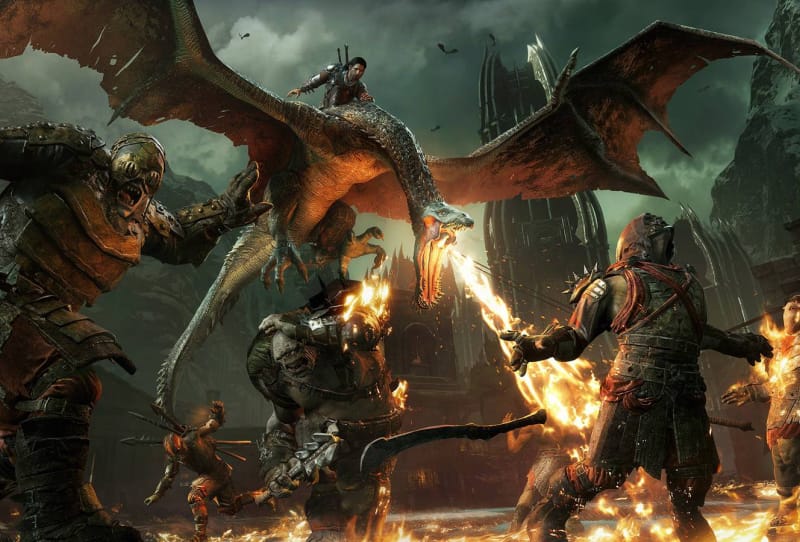
Shadow of Mordor Switch 2 fans finally have a date to circle: Monolith’s open-world Lord of the Rings adventure, along with its sequel Shadow of War, is coming to Nintendo’s new console on September 30. Both games arrive together, bringing their sprawling take on Mordor and the celebrated Nemesis System to a Nintendo platform for the first time.
The pairing is a notable one for Switch 2’s growing library, which has leaned heavily on ports of well-regarded PlayStation and Xbox titles since launch. Middle-earth: Shadow of Mordor first released in 2014, followed by Middle-earth: Shadow of War in 2017, and both were praised for turning Tolkien’s world into a genuinely inventive action sandbox rather than another licensed tie-in.
Table of Contents
What the Shadow of Mordor Switch 2 Release Actually Includes
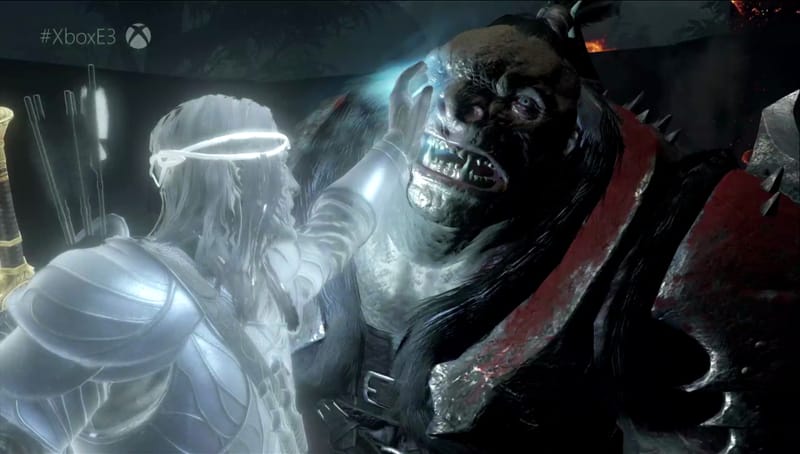
The Shadow of Mordor Switch 2 port covers the base campaign, casting players as ranger Talion, who is bonded with a wraith and sets out for revenge against the forces of Sauron across the ruined lands of Mordor. Shadow of War expands the scope considerably, adding a full fortress-siege system, a much bigger map, and a story that pushes Talion toward forging his own army of orcs to challenge Sauron directly.
Neither game has previously appeared on a Nintendo console, which makes this less a routine re-release and more a genuine expansion of what Switch 2 owners can access without turning to a PC or last-generation console. Given the series’ reputation for meaty side content and long completion times, both titles should offer plenty to do for players picking them up fresh.
What remains unconfirmed is exactly how the games have been optimised for Nintendo’s hardware. Neither Monolith nor Warner Bros. Games has detailed frame rate targets, resolution, or whether either version supports the console’s improved docked output, so specifics on performance will have to wait for closer to release.
The Nemesis System Returns, and It Still Holds Up
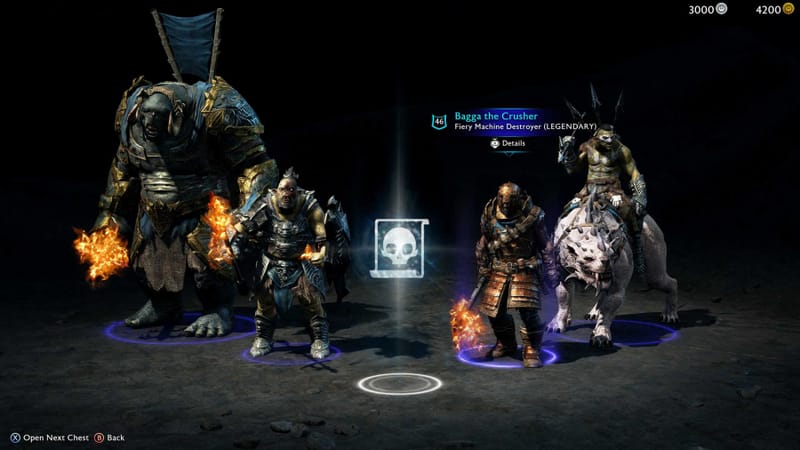
The single biggest reason either game is still discussed years later is the Nemesis System, a mechanic that generates persistent, procedurally driven orc captains who remember previous encounters with the player. An orc that defeats Talion in one fight can return later, scarred, promoted, and taunting him about it, while the player can turn enemies against each other or recruit them outright in Shadow of War.
It is a system that influenced plenty of games that followed, even as legal patents around it limited how directly other studios could copy it. Bringing it to Switch 2 gives an entirely new set of players a chance to experience a mechanic that, more than a decade on, still has few real equivalents elsewhere in open-world action games.
How the Two Games Compare
| Game | Original Release | Setting | Key Feature |
|---|---|---|---|
| Middle-earth: Shadow of Mordor | 2014 | Northern Mordor | Introduces the Nemesis System |
| Middle-earth: Shadow of War | 2017 | Expanded Mordor regions | Fortress sieges and army-building |
Why This Matters for Switch 2 Owners
Switch 2 has spent its first months leaning on a mix of first-party Nintendo releases and third-party ports proving the hardware can handle demanding, open-world games. Titles like this one matter because they signal publishers see enough of an audience on the console to justify bringing back catalogue games rather than only chasing day-one releases.
For anyone who missed Shadow of Mordor and Shadow of War the first time around, or who sold their console before getting to them, this is a low-friction way to catch up on two of the better licensed games of the last decade. It also adds weight to a library that, alongside features like Switch 2’s docked VRR support, is starting to look like a genuinely capable home for bigger third-party releases rather than just Nintendo’s own output.
Newcomers setting up a console for the first time, or handing one down within a household, may also want to look at guidance on unlinking a Nintendo Switch system from an account, since account management tends to matter more once a library starts filling up with substantial single-player games like these two.
What Isn’t Confirmed Yet
Pricing, whether either game supports save transfers from other platforms, and any Switch 2-specific extras such as mouse controls or enhanced visuals have not been detailed publicly. Readers should treat September 30 as the confirmed arrival date for both games, while treating everything beyond that as unannounced until publisher Warner Bros. Games shares more.
The broader trend is still worth watching. As more publishers test the waters with older, well-reviewed catalogue titles on Nintendo’s Switch 2 console, it becomes a useful signal for how seriously third parties are treating the platform going into its second year. It also sits alongside other shifts in the wider Switch scene, including the shutdown of the Suyu Switch emulator, which has changed how some players think about accessing older Nintendo titles legitimately.
For now, the practical takeaway is simple. Two of the strongest open-world action games of the past decade are getting a proper home on Switch 2 from September 30, Nemesis System intact, with the finer technical details expected to follow closer to launch.