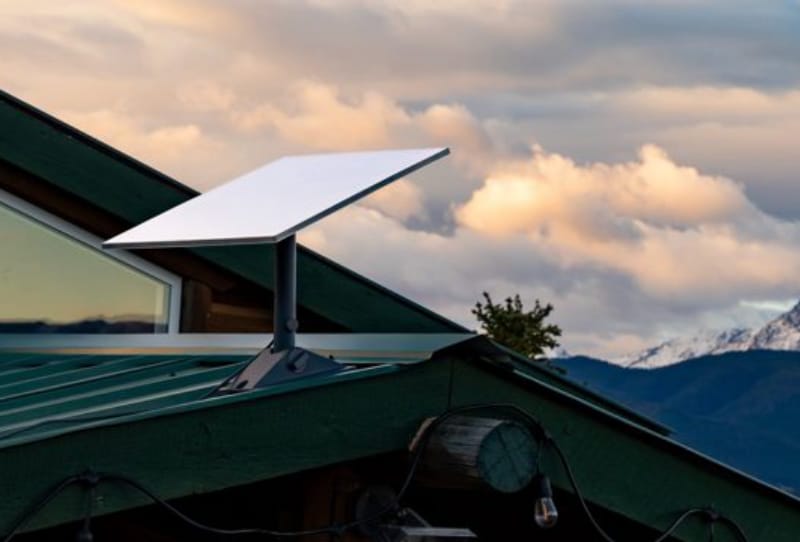
Starlink Mini 2 is built to work with SpaceX’s next-generation V3 satellites, according to a company executive, suggesting the newly launched portable dish has more speed in reserve than its marketing lets on. Rogier Beld, SpaceX’s acting director for Starlink enterprise and government business in Europe, made the claim in a LinkedIn post shortly after the Mini 2 debuted, describing the hardware as “future-proof” for the upgraded satellite fleet.
Key takeaways
- ✓SpaceX says the Starlink Mini 2 dish is compatible with its upcoming V3 satellites
- ✓V3 satellites are designed to deliver gigabit-class speeds once enough are in orbit
- ✓Only 26 V3 satellites are currently in orbit, with more launching via Starship
- ✓SpaceX's president says a few hundred V3 satellites are needed before users notice a real difference
- ✓Starlink Mini 2 adds a swappable battery, USB-C support and a slimmer design over the original Mini
That detail matters because SpaceX has said almost nothing publicly about how the Mini 2 might benefit from faster satellites. Official promotion of the dish has focused on its swappable battery, USB-C charging and a slimmer chassis than the original Starlink Mini, rather than any bump in download or upload speeds. Beld’s comment is the clearest signal yet that the hardware itself isn’t the bottleneck, the satellite network is.
Table of Contents
What SpaceX actually said about Starlink Mini 2
Beld’s LinkedIn post was brief but specific: “This user terminal is future-proof with our new Starlink V3 satellites.” He made an almost identical claim in July about SpaceX’s V5 dish, which is currently offered as a free rental to some Residential customers on 100Mbps plans. Officially, the V5 is rated for peak speeds above 375Mbps, a figure SpaceX has not yet matched to any public number for the Mini 2.
No one at SpaceX has confirmed what the Mini 2 will achieve once V3 satellites are fully deployed. That silence is likely deliberate rather than evasive. The constellation is still in its early build-out phase, and promising specific speeds before the network can reliably deliver them would invite exactly the kind of backlash SpaceX has faced before over service quality.
Why the V3 satellites are the real story
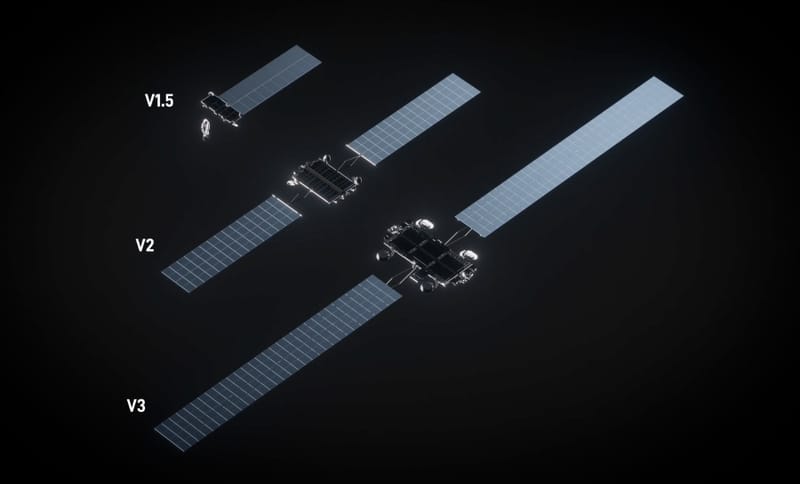
The Federal Communications Commission cleared SpaceX’s V3 satellite constellation in January, clearing the way for a rollout designed to push Starlink toward gigabit-class speeds. Progress so far has been modest. Only 26 V3 satellites are currently in orbit, with another batch of 26 expected to launch aboard a Starship mission. That is a small fraction of the hundreds SpaceX says it eventually needs.
SpaceX president Gwynne Shotwell addressed the gap directly during last month’s earnings call. “I think we’ll need a few hundred V3 satellites for people to really feel the impact, because right now, with very few satellites, you’ll get an impact and then 10 minutes later it won’t be there,” she said, adding that SpaceX expects to reach that scale by the middle of next year. In other words, Starlink Mini 2 owners won’t notice a dramatic change the moment they unbox the dish. The improvement depends entirely on how quickly SpaceX can get more V3 hardware into orbit.
Maritime customers using the Starlink Performance Gen 3 kit are reportedly first in line for gigabit speeds through the V3 network later this year. Residential and Roam users, including those on the Mini 2, will likely see benefits flow through more gradually as satellite density improves across the wider constellation.
Starlink Mini 2 compared with other Starlink hardware
The Mini 2 sits between the original Mini and the larger V5 dish in SpaceX’s current lineup. All three now share the same underlying promise of V3 compatibility, but they differ in design, portability and stated performance.

| Dish | Built-in battery | USB-C support | V3 satellite compatible | Officially stated peak speed |
|---|---|---|---|---|
| Starlink Mini 2 | Yes, swappable | Yes | Yes (per SpaceX exec) | Not yet disclosed |
| Starlink V5 | No | No | Yes (per SpaceX exec) | 375+ Mbps |
| Original Starlink Mini | No | No | Not confirmed | Not disclosed |
Access to the Mini 2 is currently limited to invited US customers, and SpaceX has bundled the hardware with a year of its Roam Unlimited plan. That structure suggests SpaceX wants dedicated, regular users testing the dish rather than occasional travellers who might only switch it on for weekend trips, giving the company a steadier stream of performance data as the V3 rollout continues.
What this means for Starlink customers
For anyone weighing up a Starlink Mini 2 against the standard Starlink hardware, the V3 compatibility claim is reassuring rather than transformative, at least for now. Buying into the Mini 2 today effectively means betting on a network upgrade that hasn’t fully arrived yet, with only a handful of V3 satellites currently providing coverage.
That’s not unusual for satellite internet, where hardware tends to outlast the generation of satellites it launched alongside. Starlink has repeatedly upgraded dish hardware ahead of network capability, banking on subscribers who keep using the same terminal as speeds improve in the background. The approach has worked well enough that SpaceX keeps applying it, most recently with Starlink’s new Wi-Fi 7 router, which similarly arrived ahead of broader network changes.
SpaceX has also shown willingness to retrofit existing customers rather than leave them behind, including through its free dish upgrade program for early adopters. Whether Mini 2 buyers get similar treatment as V3 capacity grows remains to be seen, but the pattern suggests SpaceX prefers to keep hardware in the field working rather than forcing repeat purchases. That matters for customers already frustrated by Starlink’s dynamic pricing trial and demand surcharges in markets like Alaska, who will want assurance that new hardware investments hold their value as the network matures.

Until SpaceX publishes firm speed figures for the Mini 2, the safest conclusion is that the dish is ready for a faster future, but that future is still being built one satellite launch at a time. More information is available through Starlink’s official site and through updates from SpaceX itself.
Frequently asked questions
What are Starlink’s V3 satellites?
V3 satellites are SpaceX’s next-generation Starlink spacecraft, cleared by the FCC in January, designed to significantly boost network capacity and eventually support gigabit-class internet speeds for users on the ground.
Does Starlink Mini 2 currently get faster speeds than other dishes?
Not yet confirmed. SpaceX has not released specific speed figures for the Mini 2, and any speed gains from V3 satellites depend on how many are in orbit, which remains limited for now.
How many V3 satellites does SpaceX currently have in orbit?
SpaceX has 26 V3 satellites in orbit as of the latest reporting, with another batch of 26 expected to launch via a Starship mission, well short of the hundreds the company says are needed for noticeable impact.
When will Starlink users notice faster speeds from V3 satellites?
SpaceX president Gwynne Shotwell has indicated the company expects to have enough V3 satellites in orbit for users to feel a consistent impact by the middle of next year.